📐 Design & Planning for Underfloor Heating
Successful underfloor heating starts with meticulous design and planning. Our expert guides help you calculate heat requirements, optimize layouts, specify the right components, and ensure your system delivers comfort and efficiency for decades to come.
Design & Planning Guides
 General guide
 Carpet with Underfloor Heating: TOG Rating & UK Compatibility Guide 2026
Carpet works with underfloor heating when carpet and underlay stay within safe TOG limits. Compare suitable carpets, underlays and heat pump guidance.
 General guide
 Laminate & Engineered Wood for Underfloor Heating: UK Guide 2026
Laminate and engineered wood suit underfloor heating within key temperature and thickness limits. Compare flooring, fitting and acclimatisation advice.
 Comparison
 Underfloor Heating in a Basement: UK Guide 2026
Underfloor heating for basements and cellars: compare damp-proofing, insulation, floor height, heat loss and suitable flooring for a warmer space today.
Comparison Underfloor Heating in Extensions: UK Guide & Heat Loss Calculator 2026
Plan underfloor heating for an extension with UK heat loss guidance, system choices and realistic costs, so you avoid undersizing and stay comfortable.
Comparison Underfloor Heating for Garages & Garden Rooms: UK Guide 2026
Underfloor heating for garages and garden rooms: compare wet and electric systems, insulation, slab preparation and heat loss to plan a warm, usable space.
 Comparison
 Underfloor Heating for Living Rooms: UK Guide 2026
Underfloor heating in the living room: best flooring, wet vs electric, zoning with the rest of the house, and typical costs for the UK's most-used room.
 Comparison
 Underfloor Heating in a Loft Conversion: UK Guide 2026
Underfloor heating for loft conversions: compare wet and electric systems, floor height, joist depth, costs and insulation to choose the right solution.
General guide Vinyl & LVT Flooring for Underfloor Heating: UK Compatibility Guide 2026
Discover how vinyl and LVT flooring work with underfloor heating, including 27°C limits, TOG ratings, underlay and fitting tips for reliable heat output.
 General guide
 Boiler Upgrade Scheme Guide 2026: Grants, Rules and the 2030 Plan
Boiler Upgrade Scheme guide for 2026: check grant values, eligibility, landlord rules and the path to 2030, then plan your underfloor heating upgrade.
 General guide
 Underfloor Heating Quotation Guide to Avoid Costly Mistakes
Confused by underfloor heating quotes? Our 2026 guide breaks down installation costs per m², exposes hidden fees, and helps you compare quotes like a pro.
General guide Best Flooring for Underfloor Heating: Complete UK Guide 2026
Best flooring for underfloor heating, ranked by TOG rating and heat output. Includes the 2.5 TOG rule, heat pump limits, BS EN 1264 and a full comparison table.
 Wet systems
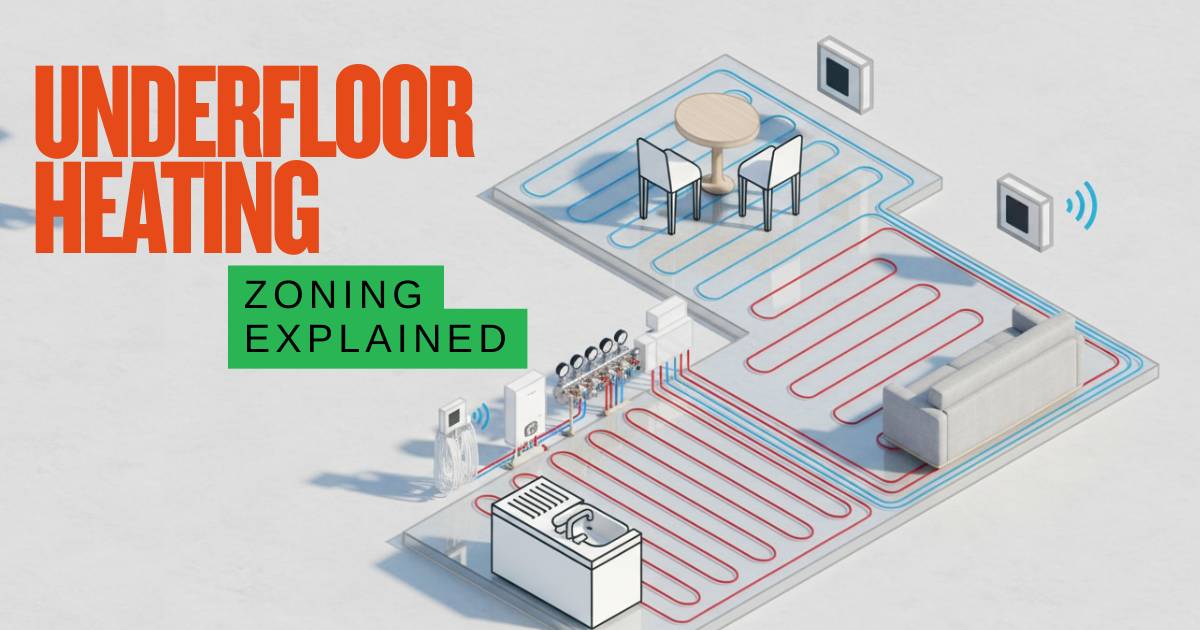
 Underfloor Heating Zoning Explained - A Practical Guide
Complete guide to UFH zoning systems, smart controls, and modern design approaches. Save up to 40% on heating bills with intelligent zone control.
 General guide
 Smart Thermostats for Underfloor Heating: 2026 Guide
Discover how smart thermostats unlock the full potential of underfloor heating with intelligent control, energy savings, and optimal comfort in UK homes
 General guide
 Underfloor Heating Design: Heat Loss, Pipe Spacing and Zones
Plan underfloor heating with accurate heat loss calculations, pipe spacing, zones and flow temperature. Design an efficient, comfortable UK heating system.
 Comparison
 UK Building Regulations for Underfloor Heating: Complete Guide
Understand UK building regulations for underfloor heating, including Part L, Part P, BS EN 1264 and certification, so your installation stays compliant.
Why Proper Design Matters
The difference between a high-performing underfloor heating system and one that disappoints lies in the design phase. Poor planning leads to cold spots, excessive running costs, slow response times, and premature component failure. Conversely, a well-designed system provides consistent comfort, operates efficiently, and lasts 25+ years with minimal maintenance.
Professional design ensures your system is correctly sized for your property's heat loss, uses appropriate pipe or cable spacing, incorporates proper insulation, and includes suitable controls. This upfront investment in planning typically saves thousands in running costs and prevents expensive retrofitting to fix design flaws.
Accurate Calculations
Precise heat loss calculations ensure optimal system sizing and efficiency
Cost Optimization
Right-sized systems avoid over-specification while meeting all requirements
Future Flexibility
Smart zoning and controls allow for future modifications and expansions
Essential Design Elements
🔥 Heat Loss & Output Planning
Room-by-Room Calculations
Every room has unique heat requirements based on size, insulation, window area, and usage. Accurate calculations prevent under or over-heating issues.
- • Modern homes: 40-60 W/m²
- • Average homes: 60-80 W/m²
- • Older properties: 80-120 W/m²
Insulation Assessment
Proper insulation is fundamental to UFH efficiency. Floor insulation reduces downward heat loss by up to 50%, dramatically improving response times and reducing costs.
📏 Layout & Spacing Design
Pipe/Cable Spacing Strategy
Spacing determines heat output capacity. Closer spacing provides higher output but increases material costs. Our guides help find the optimal balance.
- • 100mm: High output areas
- • 150mm: Standard rooms
- • 200mm: Well-insulated spaces
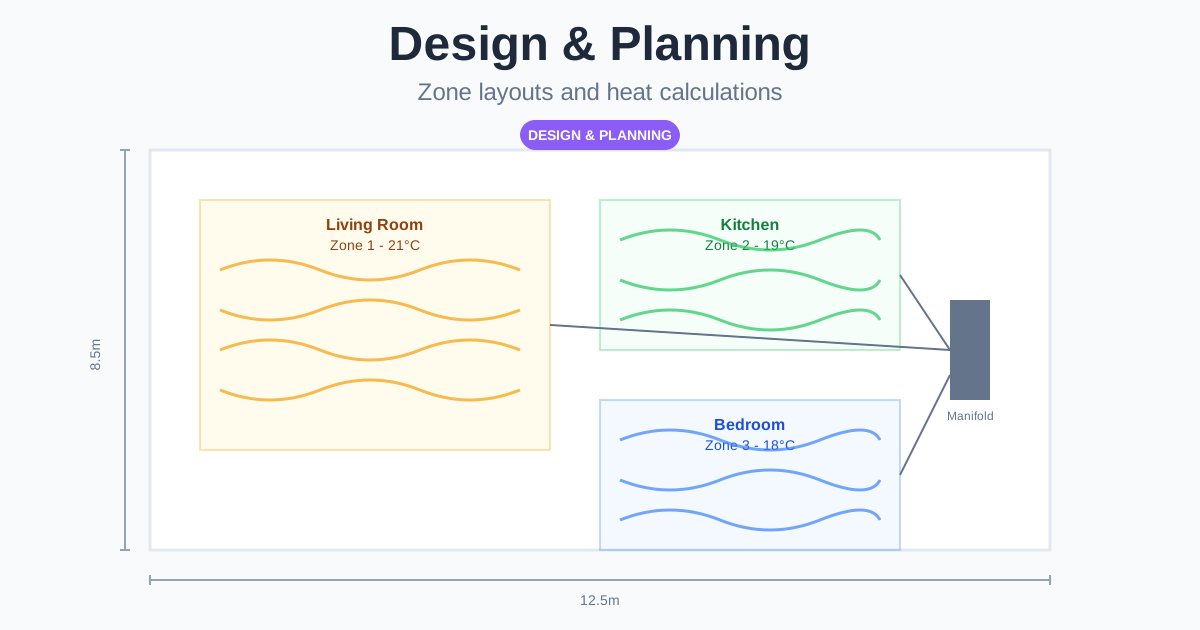
Zone Planning
Strategic zoning allows different areas to operate at appropriate temperatures and times, maximizing comfort while minimizing energy use.
Design Process Timeline
Initial Assessment (Week 1)
Survey property, measure rooms, assess insulation levels, identify heat sources, and determine project scope. Consider building regulations and any structural limitations.
Heat Loss Calculations (Week 1-2)
Calculate room-by-room heat requirements using industry-standard methods. Factor in U-values, air changes, and desired temperatures for accurate system sizing.
System Design (Week 2-3)
Design pipe/cable layouts, specify spacing, plan zones, select manifold locations, and determine control strategies. Create detailed CAD drawings if needed.
Component Specification (Week 3)
Select specific products, size pumps and manifolds, choose thermostats and controls, specify insulation types, and prepare complete bill of materials.
Final Review & Approval (Week 4)
Review designs with stakeholders, verify building regulation compliance, finalize installation methodology, and approve for procurement and installation.
🛠️ Design Tools & Resources
Calculation Tools
- • Heat loss calculators (room-by-room)
- • Pipe spacing calculators
- • Flow rate and pressure drop tools
- • Energy cost estimators
Planning Software
- • CAD layout programs
- • 3D modeling tools
- • Professional design suites
- • BIM integration options
Reference Materials
- • Building regulations guides
- • Manufacturer specifications
- • Industry best practices
- • Case studies and examples
⚠️ Common Design Pitfalls
Underestimating Heat Loss
Results in cold rooms, especially during extreme weather. Always include safety margins in calculations.
Ignoring Floor Build-Up
Can cause issues with doors, stairs, and fixtures. Plan for total thickness including insulation and screed.
Poor Zone Planning
Combining rooms with different heating needs wastes energy and reduces comfort.
Inadequate Controls
Basic thermostats limit efficiency. Smart controls can reduce running costs by 20-30%.
Professional vs DIY Design
When to DIY Design
- ✓ Single room electric installations
- ✓ Simple rectangular layouts
- ✓ Standard insulation levels
- ✓ Following manufacturer templates
When to Hire Professionals
- ✓ Whole-house water systems
- ✓ Heat pump integration
- ✓ Complex multi-zone layouts
- ✓ Building control submissions
💡 Investment Return: Professional design typically costs £500-£2,000 but can save £200-£500 annually through optimized efficiency and prevent £1,000s in remedial work.