Choosing a smart thermostat for underfloor heating
Guided reading
Not sure where to start?
Answer three quick questions and we will point you to the right guides for your project.
Find your starting pointThree questions. About 30 seconds. No sign-up.
For a simpler view of the different control types, see our underfloor heating thermostat comparison. For app-specific setup, see the Smart Life app guide.
Ready to start your project? Plan it with the Underfloor Heating Directory and explore more practical guidance at underfloorheating.info, then find qualified underfloor heating installers through the installer directory.
Underfloor heating responds slowly, so the thermostat matters more than most people realise. The wrong controls let the floor overshoot and waste energy. The right ones learn how your floor behaves and switch the heat off before the room gets too warm.
I'll explain why UFH needs specialised control, which features are worth paying for and how the main systems compare. You can also find out about the current European Underfloor Heating Market.
Quick Comparison: Top Smart Thermostats for UFH (2026)
| Feature | Honeywell Evohome | Heatmiser Neo | Tado X | Drayton Wiser | ENGO Controls |
|---|---|---|---|---|---|
| Best For | Complex properties | UK UFH specialists | Modern simplicity | Budget-conscious | Entry-level smart |
| Max Zones | 12 | 32 | Unlimited | 16 | 8 |
| Price Range | £££ | ££ | ££-£££ | ££ | £ |
| UFH Compatible | ✓ Excellent | ✓ Excellent | ✓ Very Good | ✓ Very Good | ✓ Good |
| Learning Algorithm | ✓ | ✓ | ✓ | ✓ | ✗ |
| Geofencing | ✓ | ✓ | ✓ (subscription) | ✓ | ✓ |
| Voice Control | Alexa, Google | Alexa, Google, HomeKit, IFTTT | Alexa, Google, HomeKit | Alexa, Google | Alexa |
| Open Window Detection | ✓ | ✓ | ✓ | ✓ | ✓ |
| Floor Sensor | ✓ | ✓ | ✓ | ✓ | ✓ |
| Energy Reports | ✓ | ✓ | ✓ | ✓ | Basic |
| UK Support | Excellent | Excellent (UK-based) | Very Good | Excellent | Growing |
| Installation | Professional recommended | DIY or Professional | Easy DIY | Easy DIY | DIY |
| Subscription Required | ✗ | ✗ | Optional (Auto-Assist) | ✗ | ✗ |
Legend: £ = Under £150 | ££ = £150-£250 | £££ = £250+
This table provides a snapshot comparison. Read the detailed reviews below to understand which system best matches your specific needs.
Why Standard Thermostats Fall Short with Underfloor Heating
Unlike radiators, UFH has high thermal mass. It warms up and cools down slowly. That's why good control isn't a luxury. It's what keeps the room comfortable without wasting heat.
The Problem with Latency and Overshoot
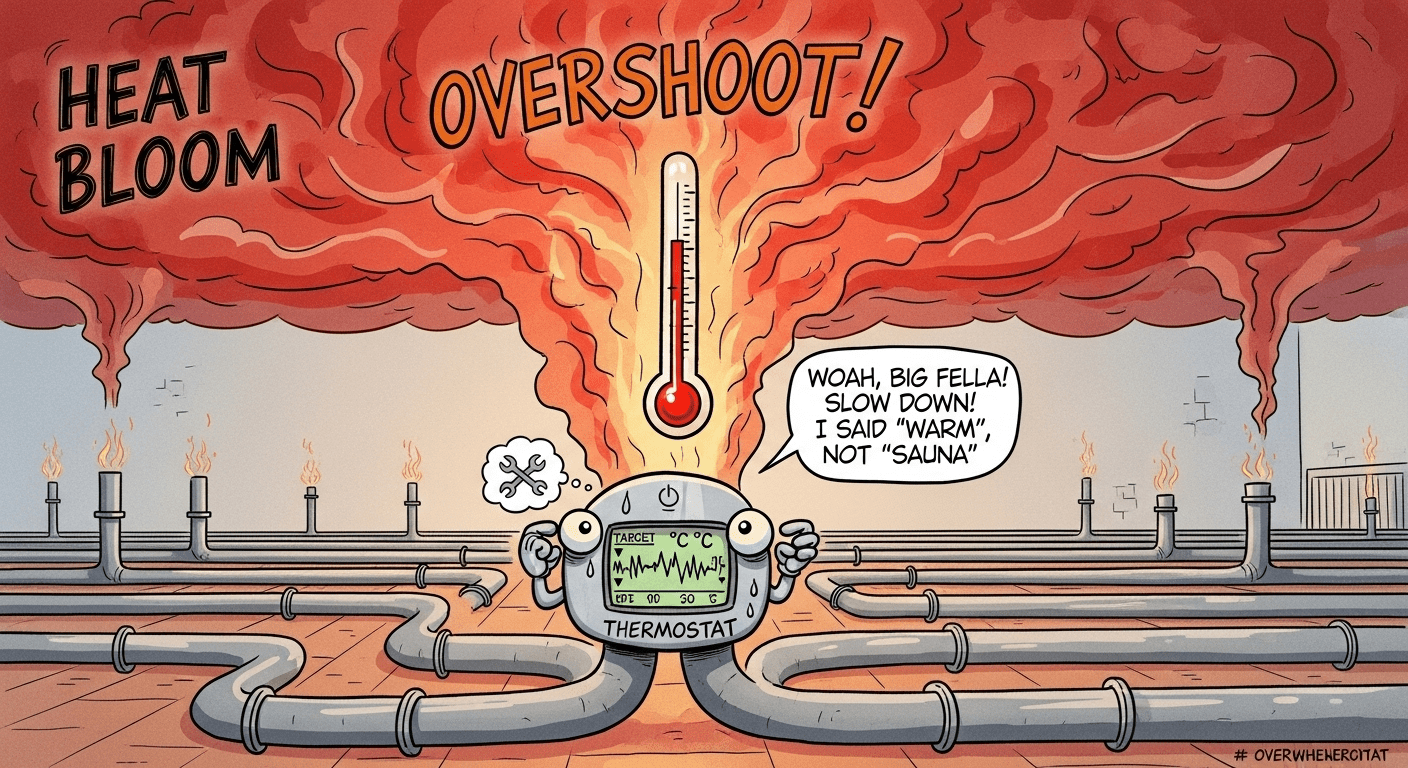
The slow response of underfloor heating creates significant challenges for basic thermostats, leading to wasted energy and fluctuating room temperatures. An underfloor heating system can take several hours to reach the desired temperature and hours to cool down once turned off because the floor slab itself holds vast amounts of heat.
A simple on/off thermostat causes the system to overheat the space. It calls for heat and keeps the system running until the room air reaches the target temperature. By this point, the floor has stored far too much thermal energy. The thermostat switches off, but the floor continues to radiate heat, pushing the room temperature well past the setpoint. This effect, known as "overshoot," leads to uncomfortable warmth and wastes energy.

The Smart Solution: An underfloor heating smart control system solves this problem through learning algorithms that understand your home's specific heat-up and cool-down cycles. The thermostat turns the heating off pre-emptively, well before the target is reached, using the residual heat stored in the floor to coast perfectly to the desired temperature, preventing overshoot and maintaining a stable, comfortable environment.
For more on how different UFH systems work, see our Ultimate Guide to Underfloor Heating.
The Evolution of Home Heating Controls
Thermostats have moved from simple manual dials to controls that learn how the building behaves. Here's what each level actually gives you.
Level 1: Manual and Dial Thermostats
Manual thermostats are the most basic form of heating control. These simple devices require you to physically adjust a dial or switch to set the temperature. They operate on a simple "on/off" principle.
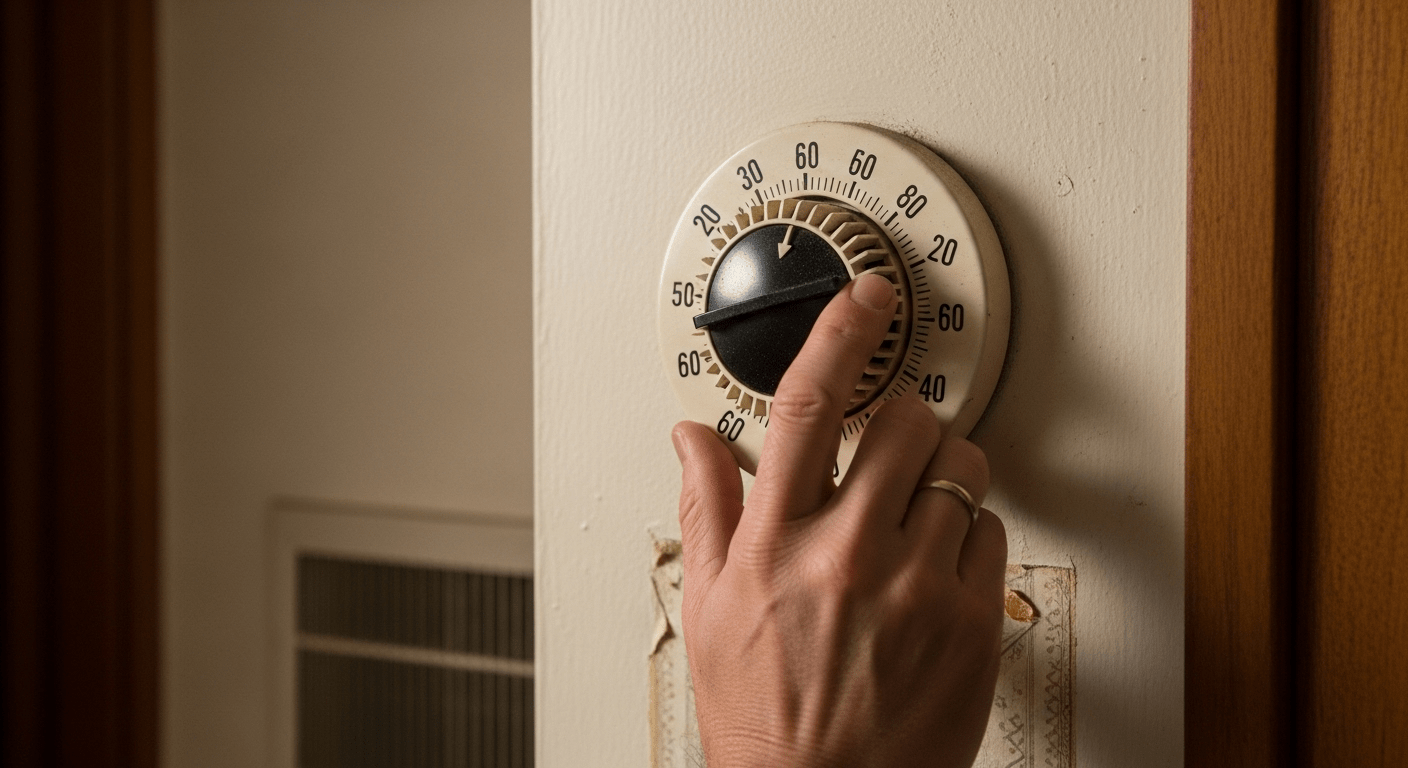
This means you must be present to make any changes. If you want the house to be warm when you wake up, you have to get up to turn on the heating. Constant manual adjustment is necessary for any temperature changes throughout the day.
Level 2: Programmable Thermostats
Programmable thermostats introduced basic automation. They allow users to set a time-based heating schedule. For example, you can program the heating to turn off after you leave for work and turn on again before you return.
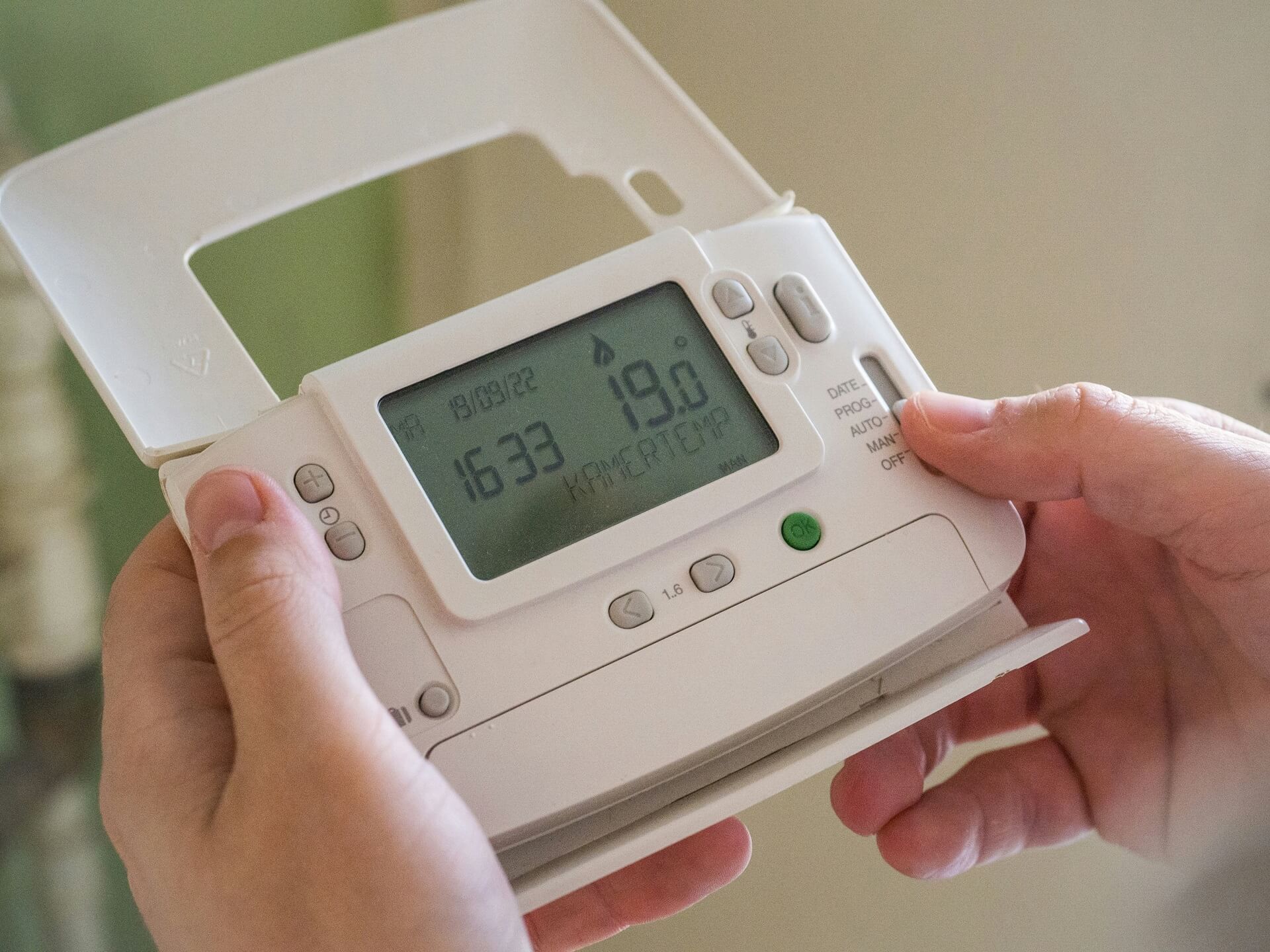
While an improvement, these thermostats are inflexible. They cannot react to a change in your daily routine, such as coming home early. They also cannot adapt to the unique thermal properties of your floor, like the slow response time of a screed underfloor heating system. While they offer energy savings, their potential is limited. Programmable thermostats can reduce heating and cooling bills, but smart models can achieve greater savings through advanced optimisation. (Source: UK Department for Energy Security & Net Zero)
Level 3: Smart Thermostats
Smart thermostats add remote access, learning and automation. Used properly, those features keep the temperature steadier and reduce wasted energy.
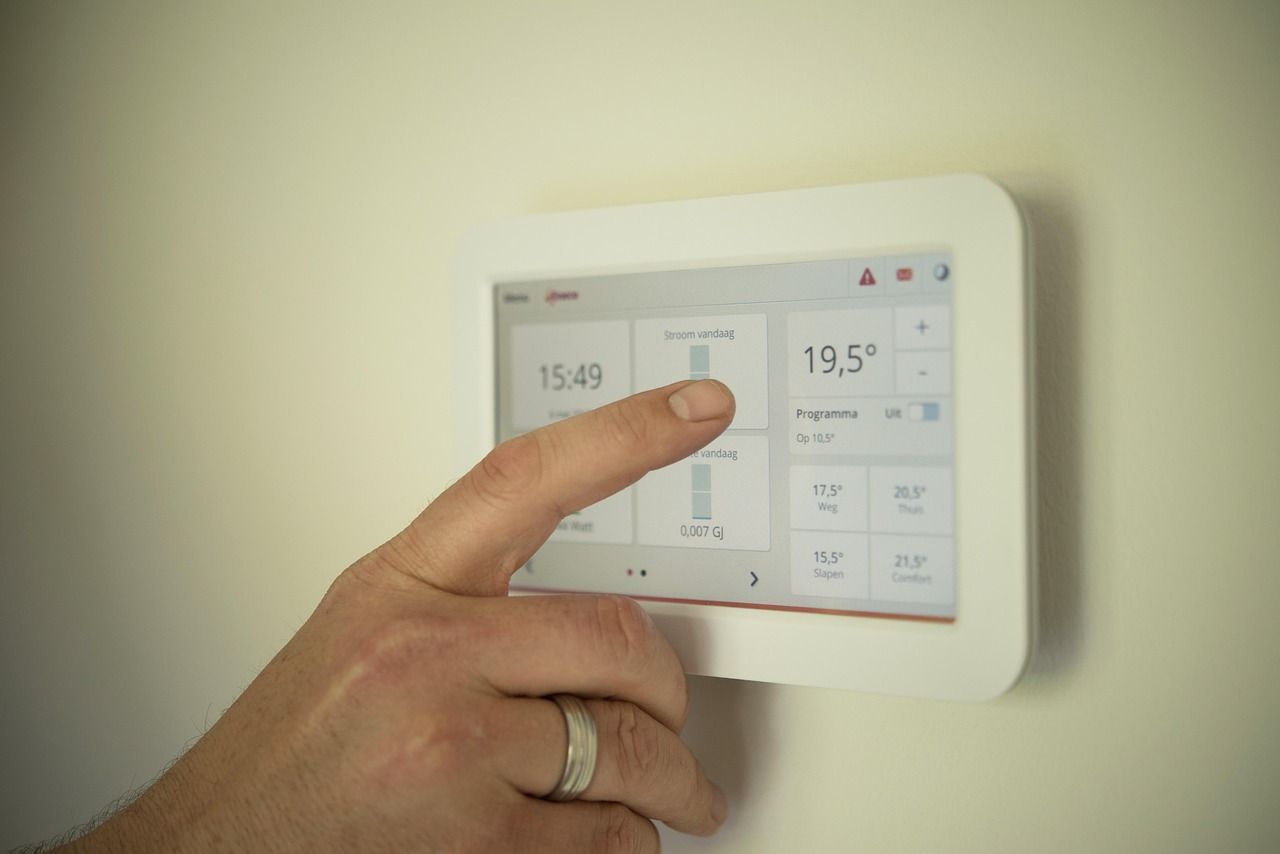
Key features include remote control via smartphone app, learning algorithms that automatically create efficient schedules, location-based automation that adjusts heating when you leave or return, and weather adaptation that prevents overheating on sunny days. These features make smart thermostats ideal for underfloor heating by intelligently managing the system's slow warm-up times.
Core Benefits of a Smart Thermostat for Your UFH System
A smart UFH thermostat does more than let you change the temperature from your phone. It can improve comfort, cut waste and make a slow floor easier to control.

Superior Energy Efficiency
Traditional thermostats struggle with the high thermal mass of UFH systems. They often overheat the floor, wasting energy and causing uncomfortable temperature swings. A smart UFH thermostat eliminates this inefficiency.
It uses predictive heating algorithms, like Model Predictive Control (MPC), to learn your home's unique thermal properties. The system anticipates how long it takes to heat up and cool down, running the system for the precise amount of time needed. This prevents temperature overshoots and significantly reduces energy consumption.
Research highlights the impact of these advanced controls. A study from Purdue University found that a home using a predictive control system reduced its heating energy consumption by 19% over 40 days. This resulted in an estimated annual saving of £240 for that single household, all while maintaining excellent comfort levels. To understand the full financial picture of running underfloor heating, see our comprehensive costs breakdown.
Unmatched Comfort & Control
A smart thermostat learns the floor's response time and maintains steadier heat without the hot and cold cycles of older controllers. Connect it to Wi-Fi and you can adjust the system from anywhere through the app.
Intelligent Automation & Location Awareness
Smart thermostats bring powerful automation through geofencing, which uses your smartphone's location to manage your system automatically. The thermostat detects when the last person leaves and lowers the temperature to an energy-saving level. As you begin your journey home, it activates the heating at the perfect moment to ensure the house is warm upon arrival. This removes the need to heat an empty house and can reduce heating bills by an average of 10-12%.
Data-Driven Insights
An underfloor heating smart control system acts as an energy-monitoring tool. The associated app provides detailed reports on your energy usage, often broken down by day, week, or even specific rooms.
These data-driven insights help you understand your consumption patterns. You can identify which areas are most expensive to heat or see the financial impact of lowering the temperature by a single degree. This feedback empowers you to make informed adjustments to your heating schedule, with some surveys suggesting that 60% of users change their habits to achieve further savings after reviewing their energy data.
For more on reducing heating costs, see our Underfloor Heating Costs Guide.
Must-Have Features for an Underfloor Heating Smart Thermostat
Not every smart thermostat suits UFH. These are the features I'd check before buying.
Multi-Zone Control: The Essential Foundation
Underfloor heating is almost always installed in distinct zones, such as the kitchen, living room, or bathroom. Effective management of this setup requires a system that can control each zone independently. For a comprehensive guide on planning and implementing zones effectively, see our complete zoning guide. A dedicated smart thermostat for each area is the most effective approach.
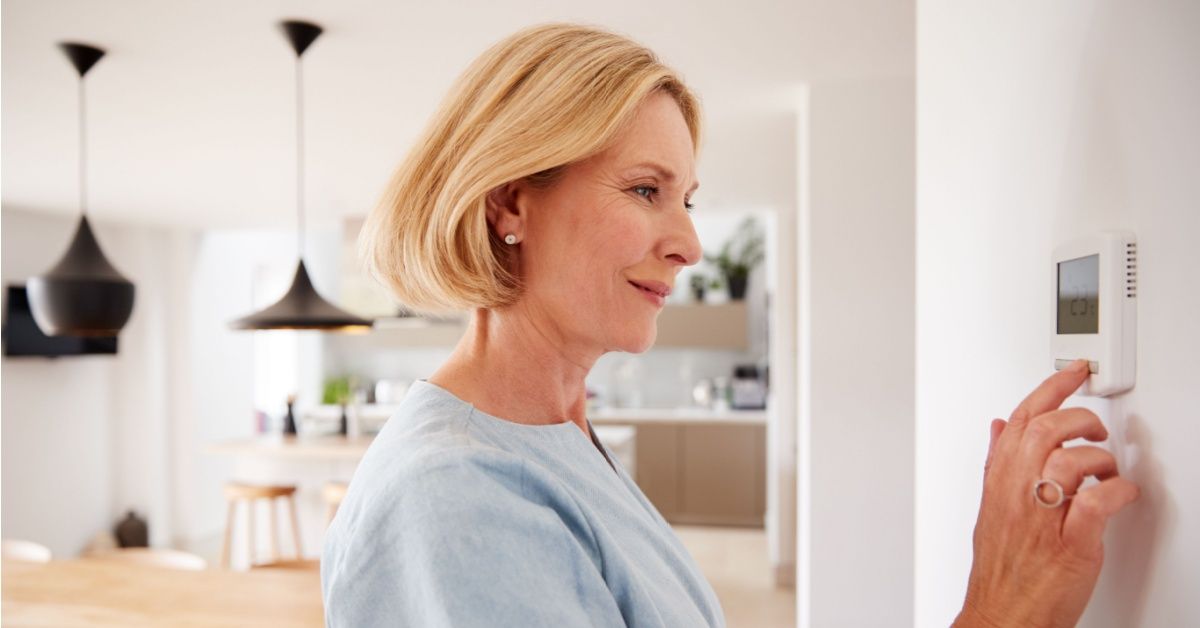
You can set unique temperatures and schedules for each room, having the bathroom warm for your morning routine while keeping the living room cooler until evening. This granular control maximises both comfort and energy efficiency.
Advanced Sensor Technology
The most capable smart thermostats for UFH use sophisticated sensors to gather precise data and make smarter heating decisions.
-
Dual Sensing: Top-tier UFH thermostats utilise both an air sensor and a floor sensor. The air sensor measures the room's ambient temperature to maintain overall comfort. The floor sensor monitors the temperature of the floor surface itself. This dual approach allows you to set a maximum floor temperature, which is essential for protecting sensitive flooring materials like engineered wood or luxury vinyl tile from overheating.
-
Humidity Sensing for Cooling: If your system runs a reversible heat pump, room humidity sensors also underpin UFH cooling mode, where the controller uses live humidity readings to set a safe minimum flow temperature and prevent condensation forming on the floor.
-
Open-Window Detection: This clever feature detects a sudden, sharp drop in a room's temperature, such as when a window or door is opened. In response, the thermostat automatically pauses the heating in that specific zone. This prevents the system from wasting energy trying to heat a room that is being cooled by outside air.
Floor Temperature Limits: Protecting Your Flooring
One of the most critical yet often overlooked features of an underfloor heating thermostat is the ability to set maximum floor temperature limits. This isn't just about comfort, it's about protecting your flooring investment from heat damage.
The 27°C Rule
The industry-standard maximum floor temperature for underfloor heating is 27°C (80°F). This limit exists because many popular flooring materials can be damaged by sustained exposure to higher temperatures. Wood flooring is particularly vulnerable: excessive heat causes timber to dry out, leading to warping, cracking, gaps between boards, and voiding of manufacturer warranties. Engineered wood, luxury vinyl tile (LVT), laminate, and even some carpets with certain underlay types all have heat sensitivity that makes the 27°C limit essential.
This is precisely why dual-sensor thermostats are so important for UFH systems. A thermostat with only an air temperature sensor has no way of knowing how hot your floor actually is. It will continue running the heating until the room air reaches your target temperature, potentially driving the floor surface well above safe limits. By the time you notice damage, it's often too late, and expensive to repair.
How Floor Sensors Protect Your Investment
A quality UFH thermostat uses a floor probe sensor installed beneath your flooring during installation. This probe continuously monitors the actual floor surface temperature. You can set a maximum floor temperature limit (typically 27°C), and the thermostat will never allow the floor to exceed this threshold, even if the room air temperature hasn't yet reached your target setting.
For optimal control, the best thermostats use both air and floor sensors simultaneously. The air sensor ensures room comfort while the floor sensor acts as a safety limit. This dual approach is particularly important in well-insulated rooms where the air might take longer to warm up, tempting a single-sensor system to overheat the floor.
When evaluating thermostats, always confirm they support floor sensor probes and allow you to set maximum floor temperature limits. All the systems recommended in this guide include this essential protection feature, but the sophistication of implementation varies. Professional installation ensures your floor sensor is positioned correctly for accurate readings.
Learning Algorithms & Predictive Scheduling
Modern thermostats actively learn your home's unique thermal characteristics to optimise heating schedules. An adaptive thermostat calculates how long each room takes to heat up and cool down, then starts the heating at the perfect moment to reach your desired temperature right on schedule, without overshooting and wasting energy. This is especially important for UFH systems where the floor continues radiating heat long after the heating switches off.
Seamless Smart Home Integration
A truly smart thermostat should integrate flawlessly with the rest of your connected home for convenient, centralised control.
-
Voice Control: Look for compatibility with major smart home ecosystems. The ability to adjust the temperature with a simple voice command via Amazon Alexa, Google Assistant, or Apple HomeKit adds a significant layer of convenience.
-
Connectivity Protocols: While most smart thermostats connect to your home network via Wi-Fi, other protocols can create a more robust system. Technologies like Zigbee create a dedicated mesh network for smart devices, which can be more reliable than relying on a busy Wi-Fi network. For future-proofing, look for emerging standards like Matter. The Matter protocol aims to unify smart home devices, making interoperability between brands much simpler for consumers in the future.
Understanding LOT 20 Compliance for UFH Thermostats
When shopping for an underfloor heating thermostat in the UK, you'll frequently encounter references to "LOT 20 compliance." Understanding what this means is important for making an informed purchase.
What is LOT 20?
LOT 20 is UK legislation originating from the European Ecodesign Directive (2009/125/EC) that came into effect in January 2018. Despite Brexit, these regulations remain in force in the UK as they align with the government's carbon reduction targets and energy efficiency goals. LOT 20 establishes minimum efficiency standards for electric heating products sold in the UK, including underfloor heating thermostats.
The directive requires all electric heating systems to achieve a minimum efficiency rating based on their built-in energy-saving features. For thermostats, this means they must include specific functionality that actively reduces energy waste. A manual thermostat with just an on/off switch doesn't meet LOT 20 standards, as it lacks the intelligence to optimise energy consumption.
LOT 20 Compliant Features
To meet LOT 20 requirements, an underfloor heating thermostat must include several energy-saving features. These typically include:
- Programmable scheduling with multiple time periods per day
- Adaptive start functionality that learns your floor's heat-up time
- Open window detection that pauses heating when temperature drops suddenly
- Temperature limiting to prevent overheating
- Presence detection or manual control override options
All the smart thermostats recommended in this guide (Evohome, Heatmiser Neo, Tado, Drayton Wiser, and ENGO) are LOT 20 compliant. This compliance isn't just a legal checkbox, these features directly translate into lower energy bills and reduced carbon emissions. When purchasing a thermostat, always verify LOT 20 compliance to ensure you're investing in a system that will deliver genuine energy savings and meet current UK building regulations.
Choosing the Right System: Compatibility and Installation Guide
Technical compatibility is the most important step in selecting a thermostat. Getting this wrong can mean your chosen device simply will not work. This smart thermostat underfloor heating installation guide will help you check the key requirements.
Step 1: Identify Your Underfloor Heating Type
Your first task is to confirm which type of underfloor heating (UFH) system you have. The thermostat's role is different for each one.
- Electric (Dry) Systems: These systems use heating mats or wires directly powered by your home's electricity. They require a thermostat that can handle a higher electrical load, typically 16 Amps. The thermostat acts as a switch, directly controlling the power sent to the floor.
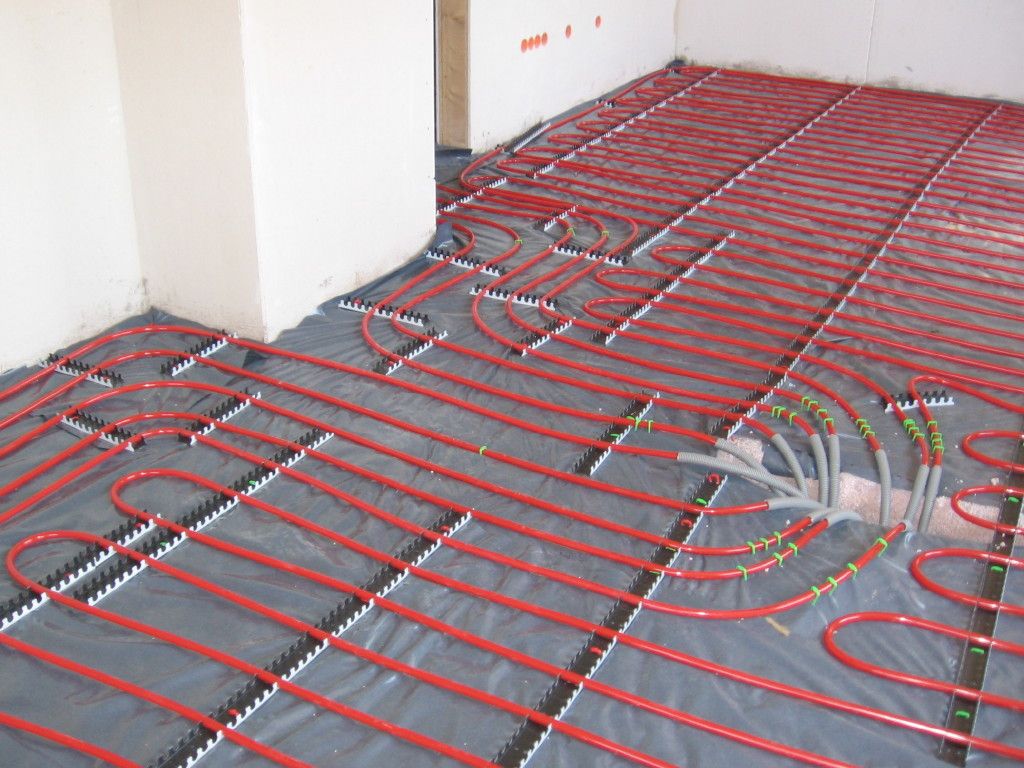
- Hydronic (Wet) Systems: These systems circulate hot water through pipes under the floor. The thermostat does not directly control the boiler. Instead, it sends a signal to a central wiring unit, which then manages zone valves on the manifold to direct the hot water.
For more on system types, read our Electric vs Water Underfloor Heating guide and Bathroom Underfloor Heating Guide.
Step 2: Verify Thermostat Compatibility
Once you know your system type, you must verify the technical specifications. Always consult the manufacturer's documentation for both your UFH system and the new thermostat.
- Voltage: Check if your system is Line Voltage (240V in the UK) or Low Voltage (24V). Most UFH-specific thermostats are designed for Line Voltage, but you must ensure the device you choose matches your system's requirements.
- Wiring: The thermostat must be able to communicate with your heating system. For wet systems, this means connecting to the UFH wiring centre. Understanding how a wiring centre coordinates signals between thermostats and zone actuators is crucial for a successful hydronic UFH installation. (Source: Underfloor Heating Manifolds Explained) Some modern setups may use a wireless underfloor heating thermostat to communicate with the receiver.
- Floor Sensor Probe: If you are replacing an old thermostat, check the resistance of the existing floor sensor. This is measured in Ohms (e.g., 10kΩ). The new thermostat must be compatible with the sensor's Ohm rating to read floor temperatures accurately.
Step 3: Plan the Installation
Proper installation is essential for safety and performance. The complexity can vary greatly.
- DIY: If you are experienced with home electrics, replacing an existing thermostat can be a simple job. Always turn off the power to the circuit at your consumer unit (fuse box) before you start.
- Professional Help: For new installations, complex multi-zone setups, or if you have any doubts about wiring, hire a professional. A qualified electrician or heating engineer can ensure the system is installed correctly and safely.
For installation guidance, see our Retrofitting Underfloor Heating Guide.
Top Smart Thermostat Systems for Underfloor Heating: A Comparison
Choosing the right smart control system is crucial for maximising the efficiency of your underfloor heating. The best systems offer granular, room-by-room control, which is essential for managing multiple UFH zones effectively. Here is a comparison of leading smart thermostats well-suited for underfloor heating in the UK.
Important Note: The UK smart thermostat market has evolved significantly, with Google discontinuing Nest thermostats in Europe in 2026. This has opened opportunities for UK-focused manufacturers who specialise in underfloor heating control.
1. For Ultimate Granular Control: Honeywell Home Evohome
Honeywell Home Evohome is often considered the gold standard for complex heating setups. It excels in homes with numerous zones or a mix of underfloor heating and radiators.
- Best For: Large or complex properties that require precise control over many individual heating zones.
- Pros: Unparalleled flexibility with individual schedules and temperatures for every room. Robust and reliable platform built on years of heating control expertise. Modern installation is streamlined using tools like the "Resideo Pro" App, which guides installers through configuring UFH controllers and zones.
- Cons: Evohome has a higher upfront cost compared to other systems. The initial configuration can also be more complex, often benefiting from professional installation to ensure it is set up correctly.
2. For UK-Designed UFH Excellence: Heatmiser Neo
Heatmiser is a UK manufacturer that has specialised in heating controls since 1968. Their Neo series is purpose-built for the UK market and excels at underfloor heating control.
- Best For: Homeowners wanting a UK-designed system with dedicated UFH expertise and local support. Perfect for multi-zone installations combining UFH, radiators, and hot water control.
- Pros: Comprehensive multi-zone control with self-learning preheat algorithms that optimise UFH's slow response times. Integrates with all major smart home platforms (Alexa, Google Home, HomeKit, IFTTT). Excellent reputation for reliability and build quality, with products designed specifically for UK heating systems. Competitive pricing, typically positioned between Tado and Evohome. Award-winning system (voted best smart thermostat brand 2018-2019).
- Cons: The interface may feel less modern than Tado's sleek design. Brand recognition is lower outside the UK heating industry.
3. For Modern Design & Simplicity: Tado Wireless Smart Thermostat X
Tado focuses on a clean user experience, minimalist design, and powerful app-based features. It's a great choice for those who want smart, automated heating with minimal fuss. Following Google's exit from the UK market, Google is offering existing Nest users 50% off Tado thermostats.
- Best For: Tech-savvy users who appreciate a sleek interface and powerful automation features. Google's recommended Nest replacement.
- Pros: Excellent geofencing and open-window detection features. The system is modular, allowing you to start small and easily add more thermostats or radiator valves later. Clean, intuitive app interface with excellent user experience.
- Cons: Some of its most effective energy-saving features are part of the optional "Auto-Assist" subscription (additional cost). Without this subscription, you receive notifications to adjust the heating but must do so manually.
4. For a Balanced & Accessible System: Drayton Wiser Multi-room Kit
Drayton's Wiser system offers comprehensive multi-zone control without the premium price tag of some competitors. It provides a solid balance of features, reliability, and value.
- Best For: Homeowners looking for a powerful and reliable multi-zone system that is more budget-friendly.
- Pros: Excellent value for money. Easily creates a unified system by controlling underfloor heating zones and individual radiators with smart TRVs from a single app. For those considering heat pumps, smart controls are essential for optimisation.
- Cons: The physical design of the thermostat and the app interface may feel less premium or intuitive when compared to Tado or Evohome.

5. For Budget-Conscious Smart Control: ENGO Controls
ENGO Controls offers affordable smart thermostats with strong UFH support and modern connectivity options, making smart heating accessible to more homeowners.
- Best For: Budget-conscious homeowners who still want smart features and multi-zone capability. Those building ZigBee-based smart home systems.
- Pros: The E-ONE and E20i models offer WiFi and ZigBee 3.0 connectivity at competitive prices. The ECB62-ZB wireless wiring centre supports up to 8 heating zones (6 wireless, 2 wired), making it suitable for whole-house UFH installations. Compatible with Alexa and major smart home apps (Tuya, SmartLife). Growing availability through UK retailers. Good value for money compared to premium brands.
- Cons: Newer brand with less established reputation than competitors. User interface and app may lack the polish of premium alternatives. Limited installer training and support network compared to established brands.
Important: Google Nest Learning Thermostat - Discontinued in UK
Google has discontinued all Nest thermostats in the UK and Europe as of 2026. The company cited Europe's diverse heating systems as too challenging to support effectively.
- Current Status: No new Nest thermostats are available for purchase in the UK. Existing stock of 3rd generation units may still be available from some retailers while supplies last.
- Existing Users: 1st and 2nd generation Nest thermostats lost app support on 25th October 2025. These models can no longer be controlled remotely, though manual control on the device still works. 3rd generation models continue to receive security updates.
- Migration Offer: Google is offering affected Nest users 50% off the Tado Smart Thermostat X as a replacement option.
- UFH Limitations: Even when available, Nest lacked native support for the complex multi-zone wiring required by most wet underfloor heating manifolds. It was designed for single-zone control and required complex third-party solutions for multi-zone UFH setups.
Check out our Underfloor Heating Manifold Guide
Recommendation: For new UK installations, choose from the actively supported brands listed above (Heatmiser, Tado, Evohome, Wiser, or ENGO). These manufacturers are committed to the UK market and offer superior multi-zone UFH support.
For comparisons with traditional heating, see our Underfloor Heating vs Radiators guide.
Cost Comparison: Investment and Running Costs
Understanding the full cost picture helps you make an informed decision. Here's a breakdown of typical costs for each system in the UK market.
Initial Investment Comparison
| Brand | Thermostat Cost | Wiring Centre/Hub | Total Single Zone | Multi-Zone (4 zones) | Installation |
|---|---|---|---|---|---|
| Honeywell Evohome | £180-£220 per zone | £180-£250 | £360-£470 | £900-£1,200 | £200-£400 (recommended) |
| Heatmiser Neo | £130-£180 per zone | £200-£300 | £330-£480 | £720-£1,020 | £150-£300 |
| Tado X | £200-£230 per zone | £80 (hub) | £280-£310 | £880-£1,000 | £100-£200 (easy DIY) |
| Drayton Wiser | £140-£180 per zone | Included | £140-£180 | £560-£720 | £100-£200 (easy DIY) |
| ENGO Controls | £80-£120 per zone | £120-£180 | £200-£300 | £440-£660 | £100-£150 (DIY-friendly) |
Prices are approximate retail prices as of July 2026. Multi-zone estimates include wiring centre/hub where required.
Ongoing Costs
| Brand | Subscription Required? | Annual Cost | Features Behind Paywall |
|---|---|---|---|
| Honeywell Evohome | ✗ No | £0 | All features included |
| Heatmiser Neo | ✗ No | £0 | All features included |
| Tado X | Optional | £0-£35/year | Auto-Assist features (auto adjustments, air quality, energy IQ+) |
| Drayton Wiser | ✗ No | £0 | All features included |
| ENGO Controls | ✗ No | £0 | All features included |
Return on Investment
Smart thermostats typically pay for themselves through energy savings. Based on the research cited earlier:
- Predictive algorithms: 19% energy reduction (Purdue University study) = £240/year savings
- Geofencing: 10-12% additional savings = £100-£120/year
- Combined potential savings: £340-£360/year for an average UK home
ROI Timeline:
- Budget system (ENGO): Payback in 7-12 months
- Mid-range (Heatmiser, Wiser): Payback in 12-18 months
- Premium (Evohome): Payback in 18-30 months
These calculations assume an average UK heating bill of £1,000-£1,200 annually. Larger homes with higher bills will see faster payback periods, while smaller properties may take longer. The energy efficiency of your home's insulation also significantly impacts savings.
Professional Installation: Worth the Cost?
While many thermostats claim "easy DIY installation," professional installation offers several advantages:
When to DIY:
- Replacing an existing thermostat (same location, compatible wiring)
- Single-zone electric UFH systems
- You're comfortable working with electrical systems
- Budget constraints are significant
When to Use a Professional:
- New multi-zone installations
- Wet UFH systems requiring wiring centre configuration
- Upgrading from basic to smart controls
- Any uncertainty about compatibility or safety
Professional installation costs (£100-£400) are often worthwhile for complex setups. An incorrectly installed thermostat can waste more in energy costs than the installation fee, and there's the risk of damage to your heating system or flooring if temperature limits aren't configured correctly.
Your underfloor heating system is a premium feature of your home. It deserves a control system that matches its quality. Moving beyond a basic thermostat to a smart, UFH-compatible model is a significant upgrade.
This is an investment in a more efficient and comfortable home. A smart control system optimises energy use through predictive algorithms, location-based automation, and data-driven insights, potentially saving 10-19% on heating costs while maintaining perfect comfort. Remote access means you never waste energy heating an empty house, and your floors are always warm exactly when you need them.
Choosing the Right Brand in 2026: With Google's exit from the UK market, it's more important than ever to choose a manufacturer committed to supporting UK customers long-term. UK-based brands like Heatmiser offer the advantage of local expertise and support, while established European manufacturers like Tado, Honeywell, and Drayton provide proven reliability. For budget-conscious installations, ENGO Controls offers modern features at accessible prices.
Not sure this is the right page?
Get a reading list built for your project
Three quick questions and we will point you to the guides that match what you are actually trying to do.
Find your starting pointThree questions. About 30 seconds. No sign-up.
Frequently Asked Questions
General Smart Thermostat Questions
Q: Will a smart thermostat work with my existing UFH system?
A: Most likely, yes, but compatibility depends on your system type. Electric UFH systems are generally straightforward, requiring a thermostat rated for 16A at 240V. Wet (hydronic) systems need a thermostat compatible with your wiring centre or zone valves. Check your current thermostat's specifications and compare them with your chosen smart thermostat. When in doubt, contact the manufacturer or consult an installer.
Q: Can I use Google Nest or Amazon Hive with underfloor heating?
A: Google Nest has been discontinued in the UK and Europe as of 2026, so it's no longer available for new installations. Even when it was available, Nest lacked native support for multi-zone UFH systems. Amazon doesn't make a thermostat called "Hive", you may be thinking of the Hive Thermostat from British Gas, which works with wet UFH systems but not electric UFH due to the 16A requirement. For electric UFH, you need a thermostat specifically designed for high-load systems.
Q: Do I need a separate thermostat for each room?
A: For optimal comfort and energy efficiency, yes. Each UFH zone should have its own thermostat. This allows you to set different temperatures for different rooms (e.g., cooler bedrooms, warmer bathrooms) and create independent schedules. Some advanced systems can control multiple zones from a single interface, but each zone still needs its own sensor and control point.
Q: What's the difference between WiFi and Zigbee thermostats?
A: WiFi thermostats connect directly to your home WiFi network, making them easy to set up but potentially unreliable if your WiFi is crowded or unstable. Zigbee thermostats create a dedicated mesh network for smart home devices, which is often more reliable and doesn't congest your WiFi. However, Zigbee requires a hub. For UFH, reliability is crucial, so Zigbee can be advantageous in larger homes or those with many WiFi devices.
Installation and Setup Questions
Q: How difficult is it to install a smart thermostat myself?
A: If you're replacing an existing thermostat in the same location, installation is usually straightforward, expect 30-60 minutes. You'll need to turn off power at the circuit breaker, disconnect the old thermostat, connect the new one following the wiring diagram, and configure it via the app. However, new installations, multi-zone setups, or wet UFH systems typically require professional help. Never work on electrical systems if you're uncomfortable with the process.
Q: What happens if my WiFi goes down?
A: Your thermostat will continue to operate based on its last programmed schedule. You simply won't have remote access or be able to make changes via the app until connectivity is restored. The heating system itself doesn't depend on internet connectivity. WiFi only enables remote control and smart features. Most thermostats also have manual controls on the unit itself for emergencies.
Q: Do I need to replace my floor sensor?
A: Usually not. If you have an existing floor sensor (the probe under your flooring), you can often reuse it with a new thermostat, as long as the resistance values match (typically 10kΩ or 12kΩ). Check your old thermostat's manual or use a multimeter to measure the sensor's resistance, then verify the new thermostat supports that value. If you're installing UFH for the first time, the floor sensor must be installed during floor construction.
Q: Can I control multiple properties from one app?
A: Yes, all the major smart thermostat brands (Evohome, Heatmiser, Tado, Wiser, ENGO) support controlling multiple locations from a single app account. This is useful if you have a holiday home or rental property. You can switch between properties in the app and manage each independently.
Energy Savings and Efficiency Questions
Q: How much money will a smart thermostat actually save me?
A: Research suggests 10-19% energy savings are realistic, depending on your current setup and habits. For an average UK home spending £1,000-£1,200 annually on heating, this translates to £100-£240 per year. Savings are highest when upgrading from a basic manual thermostat and in homes where heating is often left on when no one's home. Multi-zone control with independent room temperatures typically delivers the best results.
Q: Is the Tado subscription worth it?
A: Tado's Auto-Assist subscription (£2.99/month or £24.99/year) adds convenience features like automatic temperature adjustments based on weather, air quality insights, and care & protect warnings. The core energy-saving features (geofencing, scheduling, remote control) work without a subscription, you just get manual notifications instead of automatic adjustments. Whether it's "worth it" depends on whether you want fully hands-off automation or are happy to make manual tweaks when prompted.
Q: Will a smart thermostat reduce the warm-up time for my UFH?
A: No, smart thermostats don't make your UFH heat up faster. The warm-up time is determined by your floor's thermal mass (the thickness and material of your screed or subfloor). However, smart thermostats use adaptive learning to start heating at the optimal time, so your floor reaches the desired temperature exactly when you want it. This creates the perception of faster heating because the room is warm when you need it, rather than making you wait.
Q: Do smart thermostats work with heat pumps?
A: Yes, but compatibility varies by brand. If you're using a heat pump with underfloor heating, look for thermostats with OpenTherm support or specific heat pump modes. Heatmiser Neo, Drayton Wiser, and Honeywell Evohome all offer good heat pump compatibility. Heat pumps work best with weather compensation and low-temperature operation, features that smart thermostats can help optimize. Check our Underfloor Heating & Heat Pumps Guide for more details.
Compatibility and Technical Questions
Q: What's the difference between LOT 20 compliant and non-compliant thermostats?
A: LOT 20 compliance means the thermostat includes mandatory energy-saving features like programmable schedules, adaptive start, and open window detection. Non-compliant thermostats (typically basic manual models) lack these features and are less energy-efficient. In the UK, electric heating installations should use LOT 20 compliant controls to meet building regulations and achieve meaningful energy savings. All smart thermostats are LOT 20 compliant by default.
Q: Can I use smart TRVs (radiator valves) with my UFH thermostat?
A: Yes, if you have a mixed heating system with both radiators and UFH. Brands like Drayton Wiser, Tado, and Evohome offer TRVs that integrate with their thermostat systems, allowing you to control all heating zones from a single app. This is ideal for homes where UFH is installed in some rooms (ground floor) and radiators in others (upper floors). Each system manages both heating types seamlessly.
Q: What happens if I move house?
A: Most smart thermostats can be uninstalled and taken with you. However, you'll need to leave the wiring centre (for wet systems) and floor sensors, as these are built into the heating infrastructure. Check whether your new home's heating system is compatible with your existing thermostats before moving. Some manufacturers offer trade-in or upgrade programs if you need to switch systems. The new homeowner will benefit from the smart heating infrastructure you leave behind.
Q: Do smart thermostats need regular maintenance?
A: Smart thermostats require virtually no maintenance beyond occasional software updates (which usually happen automatically via WiFi). Keep the thermostat screen clean and ensure nothing blocks the sensors. If temperature readings seem inaccurate, check that the thermostat isn't in direct sunlight or near heat sources. Battery-powered thermostats need battery replacement every 1-2 years, but most UFH thermostats are mains-powered.
Q: What if my thermostat or UFH system isn't working correctly?
A: If you're experiencing thermostat malfunctions, incorrect temperature readings, connectivity issues, or UFH system problems, see our complete troubleshooting guide. It covers thermostat-specific diagnostics including wiring issues, sensor problems, actuator failures, and communication errors between thermostats and heating systems.
Still have questions? Check the support pages for your specific thermostat brand, or consult with a qualified heating engineer for advice tailored to your installation.
Start with compatibility: is the system wet or electric, and how many zones do you need to control? Then look for floor-sensor support and learning algorithms that understand UFH's thermal mass. I'd also stick to an actively supported brand, because a smart thermostat is only useful while its app and services keep working.
For more guidance on UFH systems and heat pumps, see our Underfloor Heating & Heat Pumps Guide.
Take the next step? Compare free quotes from professional UFH installers via the Underfloor Heating Directory.
One useful email,
once a month.
New guides as they go live. Real cost data, not press releases. The occasional rumour from the industry that's actually worth knowing.
No sales pitches. No jargon. Unsubscribe in one click.