🔧 Underfloor Heating Maintenance Guides
Protect your investment and ensure decades of efficient heating with our comprehensive maintenance guides. From simple monthly checks to professional servicing, we'll help you keep your underfloor heating system running perfectly for 25+ years.
Maintenance Guides
 Comparison
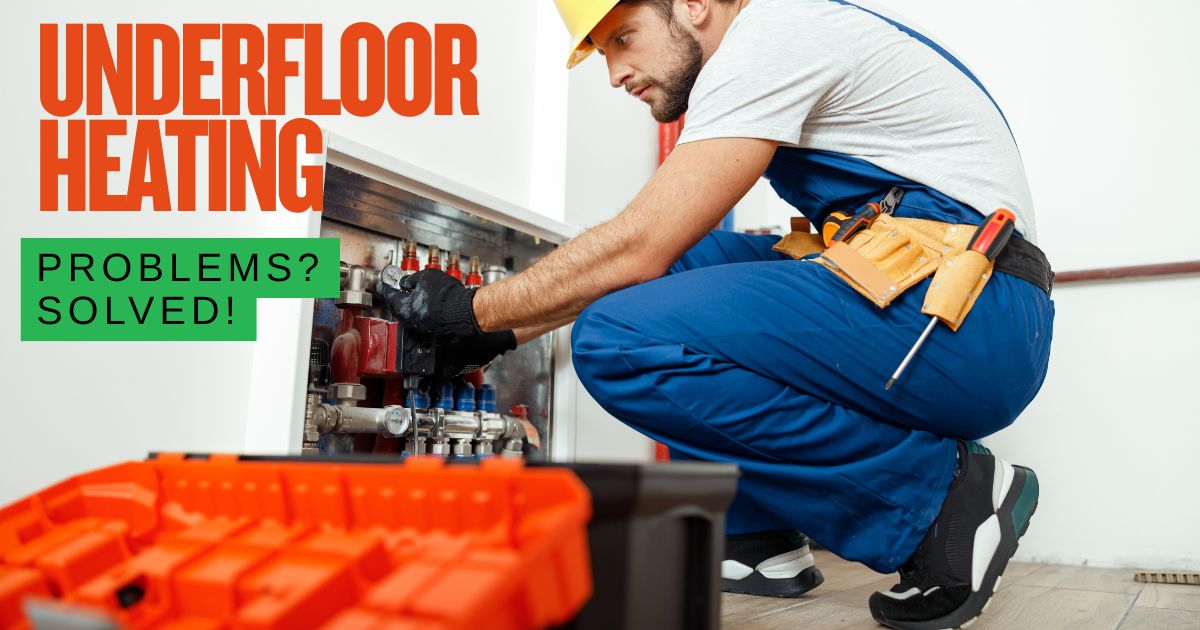
 Underfloor Heating Repair or Replacement: A UK Guide
Diagnose underfloor heating faults, isolate electric and wet systems, locate leaks or cable damage, decide between repair and replacement and know when to call an engineer.
 Wet systems
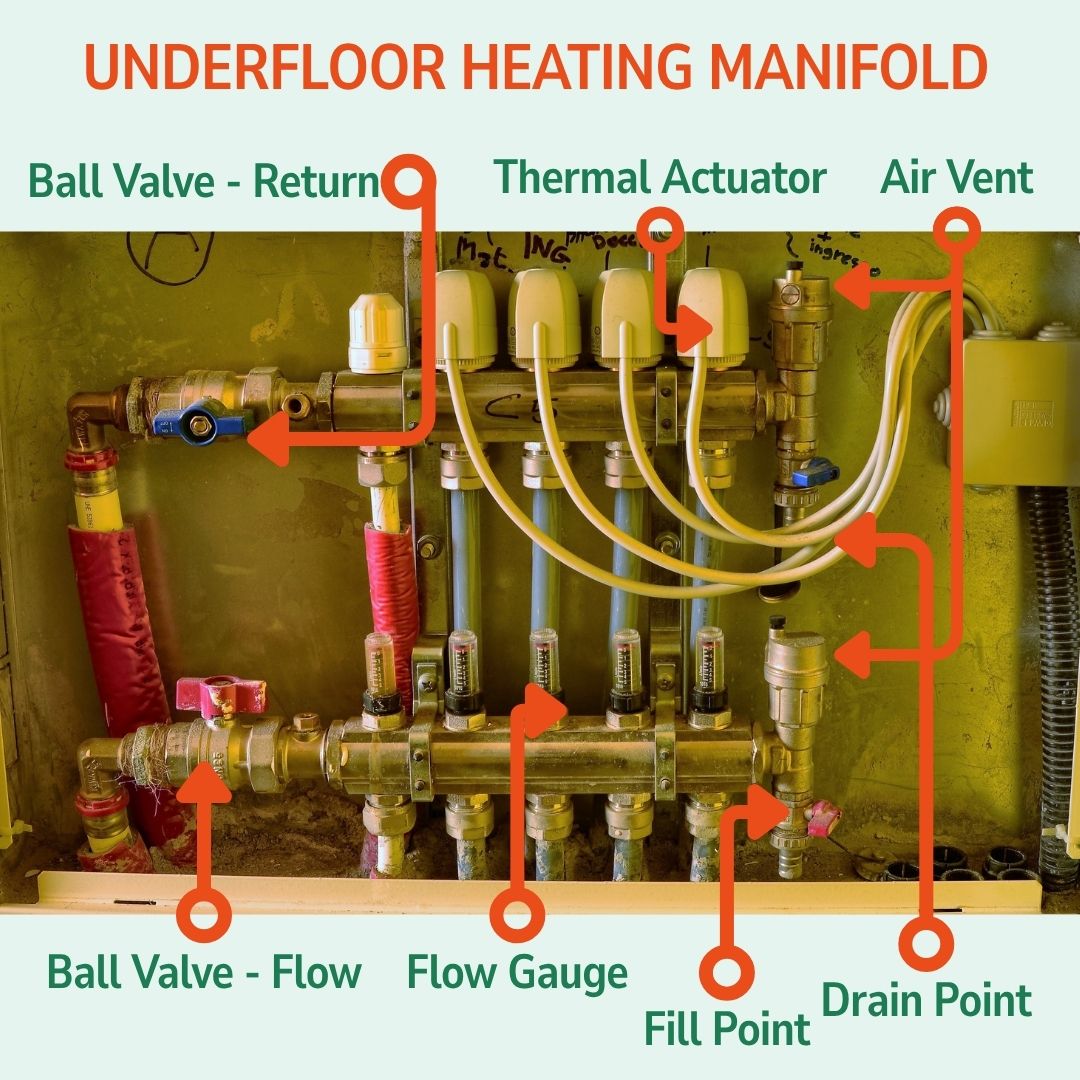
 How to Balance & Bleed an Underfloor Heating Manifold (UK Guide 2026)
Learn to balance and bleed an underfloor heating manifold, set correct flow rates, remove trapped air and restore even, efficient warmth across your home.
 General guide
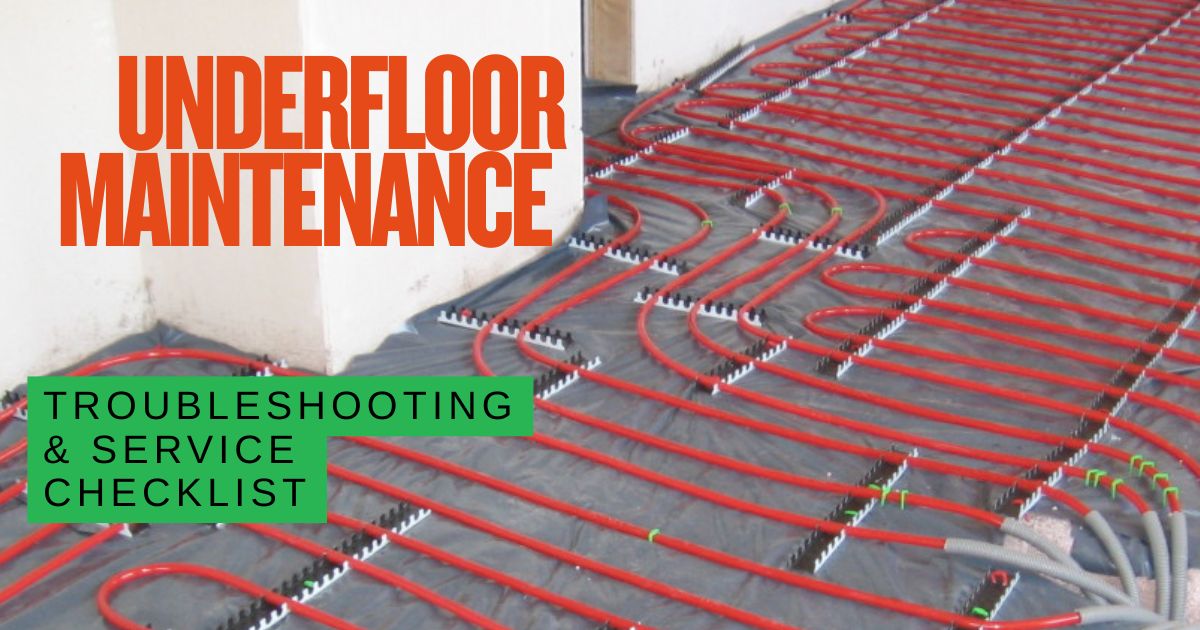
 Annual Underfloor Heating Maintenance Checklist: Complete UK Guide
Follow this annual underfloor heating maintenance checklist to improve efficiency, spot faults and keep your UK system reliable throughout every season.
 General guide
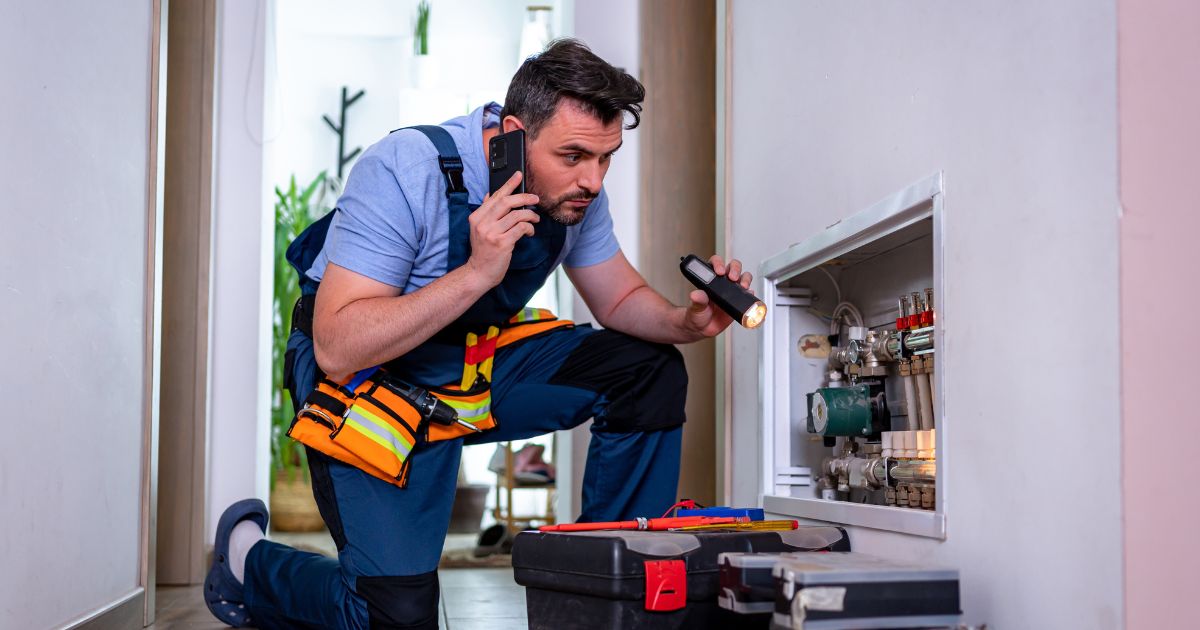
 When to Call a Professional for Underfloor Heating Repairs: UK Guide 2026
Learn when underfloor heating repairs need a professional, typical UK costs, required qualifications and how to choose the right expert with confidence.
General guide Underfloor Heating Problems - Troubleshooting Guide
Diagnose common underfloor heating problems in wet and electric systems with practical UK troubleshooting, safety advice and guidance on when to get help.
General guide Underfloor Heating Maintenance Guide: Checks, Costs and Repairs
Keep underfloor heating efficient with annual servicing, pressure checks, electric UFH testing, troubleshooting and UK costs. Prevent faults and save.
Why Maintenance Matters
Underfloor heating is remarkably reliable, but like any mechanical system, it performs best with regular care. While UFH requires far less maintenance than traditional radiators, the small effort invested in routine checks and servicing pays significant dividends. Proper maintenance prevents the gradual efficiency decline that can increase running costs by 20-30% over time.
Most importantly, preventive maintenance catches minor issues before they become major failures. A small leak spotted early costs £50 to fix; ignored, it can cause £5,000 of damage. Regular servicing also maintains your warranty validity—many manufacturers void coverage if annual maintenance is neglected.
Fewer breakdowns with regular maintenance
Energy savings from optimal performance
Expected lifespan with proper care
Annual service cost vs £500+ repairs
Comprehensive Maintenance Schedule
📅 Monthly Tasks (5 minutes)
Electric Systems
- • Test thermostat response to temperature changes
- • Check for unusual energy consumption spikes
- • Visual inspection for floor damage or moisture
- • Ensure furniture hasn't blocked heat distribution
Water Systems
- • Check system pressure gauge (1-2 bar normal)
- • Listen for pump operation and unusual noises
- • Verify all zones heating when activated
- • Look for leaks around manifold connections
🍂 Seasonal Tasks (30 minutes)
Pre-Winter Preparation (September/October)
Critical preparation before peak heating season:
- • Full system test run at maximum temperature
- • Clean or replace manifold filters (water systems)
- • Bleed air from all loops and radiators
- • Update thermostat programming for winter schedule
- • Check and top up system pressure if needed
- • Test all zone valves and actuators
Post-Winter Review (March/April)
End-of-season assessment and planning:
- • Note any performance issues for summer repair
- • Calculate seasonal energy consumption
- • Schedule professional service if due
- • Plan any upgrades or modifications
- • Switch to summer/eco settings
🔧 Annual Professional Service
Electric System Service (£80-120)
- • Electrical safety testing and certification
- • Insulation resistance measurement
- • Thermostat calibration and testing
- • RCD and circuit protection checks
- • Performance assessment and efficiency report
- • Update system documentation
Water System Service (£120-200)
- • Full pressure testing of all loops
- • Water quality analysis and treatment
- • Pump service and seal inspection
- • Manifold deep clean and valve service
- • System flush if required
- • Inhibitor top-up and balancing
⚠️ Warning Signs: Act Immediately
Electrical Issues
- • RCD trips repeatedly when UFH activates
- • Burning smell from thermostat or connections
- • Sparking or arcing at any point
- • Sudden complete system failure
Water System Problems
- • Rapid pressure loss (check daily)
- • Visible water leaks or damp patches
- • Pump running continuously
- • Brown/black water when bleeding
Performance Degradation
- • Rooms no longer reaching temperature
- • Energy bills increased >30%
- • System cycling on/off frequently
- • New cold spots developing
Emergency Response: Turn off system immediately, isolate power/water supply, document issue with photos, call qualified professional—never attempt DIY repairs on critical failures.
✓ DIY Maintenance Tasks
Simple Checks
- • Visual inspections of accessible components
- • Thermostat battery replacement
- • Programming schedule updates
- • Monitoring energy consumption
Basic Maintenance
- • Cleaning thermostat sensors
- • Topping up system pressure (water)
- • Bleeding air from loops (with caution)
- • Cleaning accessible filters
Record Keeping
- • Logging monthly readings
- • Photographing system changes
- • Filing service certificates
- • Tracking warranty dates
Safety First: Only perform tasks within your competence. Electrical work requires Part P certification, gas work needs Gas Safe registration.
Troubleshooting Common Issues
System not heating at all
Check first: Power supply, thermostat settings, time clock programming
Electric systems: Test RCD hasn't tripped, check thermostat has power, verify floor sensor connected
Water systems: Check boiler firing, pump running, manifold valves open, system pressure adequate
If unresolved: Call professional—could indicate component failure
Uneven heating or cold spots
Common causes: Air locks, unbalanced flow rates, damaged elements, poor insulation
DIY fixes: Bleed air from system, check for furniture blocking heat, verify all zones active
Professional fixes: System rebalancing, element testing, thermal imaging survey
High energy bills
Check: Thermostat settings (reduce 1°C saves 10%), programming schedule, insulation integrity
Common issues: System running 24/7, poor insulation, oversized system, lack of zoning
Solutions: Install smart controls, improve insulation, zone unused areas, service for efficiency
Strange noises from system
Gurgling/bubbling: Air in system—needs bleeding
Clicking/creaking: Normal thermal expansion, but check if excessive
Humming/vibrating: Pump issues—may need service or replacement
Banging: Water hammer or loose pipes—professional repair needed
Extending System Lifespan
Protect Components
- • Never drill into heated floors
- • Use appropriate floor coverings
- • Maintain stable temperatures
- • Protect manifolds from damage
- • Keep documentation safe
Optimize Performance
- • Annual professional servicing
- • Upgrade controls when outdated
- • Maintain water quality (pH 7.5-8.5)
- • Replace worn components early
- • Balance system flow rates
Plan Ahead
- • Budget for annual service
- • Keep emergency fund for repairs
- • Document all work completed
- • Plan upgrades during renovations
- • Maintain warranty validity
Expected Lifespans with Proper Maintenance: