
Quick answer: Yes, vinyl and LVT (Luxury Vinyl Tile) are among the best resilient floor coverings for underfloor heating. They conduct heat well (delivering around 68 W/m² typical output), carry a low TOG rating (0.1–0.5), and work with both wet and electric systems. The one rule that matters: most vinyl and LVT products carry a strict 27°C maximum surface temperature (up to 29.4°C for some products). A floor sensor thermostat is essential to enforce this and protect the warranty. Explore more flooring guidance at underfloorheating.info and find experienced installers through the Underfloor Heating Directory.
Guided reading
Not sure where to start?
Answer three quick questions and we will point you to the right guides for your project.
Find your starting pointThree questions. About 30 seconds. No sign-up.
Choosing vinyl or LVT for your project? Find UFH installers experienced with resilient flooring via the Underfloor Heating Directory.
Is vinyl flooring suitable for underfloor heating?
Yes. Vinyl and LVT are genuinely well-suited to underfloor heating. They're thin, dense, and conduct heat efficiently, making them one of the more practical choices for any room. This guide covers the specifics; for the full comparison against tile, wood, laminate and carpet, see our complete flooring compatibility guide.

The 27°C ceiling
The single most important number for vinyl and LVT over UFH: most products carry a 27°C maximum surface temperature, with a small number of vinyl products rated to 29.4°C. Exceed it consistently and the material risks softening, discolouring, delaminating, or releasing more VOCs than it's designed to.
A floor sensor thermostat isn't optional here. A probe beneath the flooring, wired to the thermostat, is the only reliable way to enforce this limit and protect the manufacturer's warranty. Air-temperature-only control isn't a safe substitute, since the floor surface can run hotter than the room air suggests, particularly with fast-responding electric systems.
TOG rating and thermal performance
| Metric | Vinyl / LVT value | What it means |
|---|---|---|
| Thermal conductivity | ★★★★☆ High (~68 W/m² typical output) | Heats up fast, strong warmth into the room |
| TOG / R-value | Low (0.1–0.5 TOG) | Minimal insulating effect, good for UFH |
| Max surface temperature | 26–27°C (up to 29.4°C for some products) | Strict limit vs tile's 29–30°C |
| Response time | Fast (30–45 min) | Comparable to tile |
At 68 W/m², vinyl and LVT sit just behind tile (71 W/m²) and ahead of laminate (60 W/m²) and engineered wood (56 W/m²) for heat output. See the full comparison table for how every material stacks up.
Installation essentials
- Expansion gap (10–15mm): Leave this around the room's perimeter, covered by skirting or beading, to absorb the thermal movement vinyl and LVT undergo when heated.
- UFH-specific underlay: Use a dense, low-resistance, radiant-rated underlay, never a standard acoustic underlay that blocks the heat you're paying for.
- Temperature-rated adhesive: For glue-down LVT, use an adhesive rated for the sustained temperatures UFH produces, not a standard flooring adhesive.
- Floor sensor control: Wire a probe beneath the flooring to the thermostat to enforce the 27°C cap.
Compatible systems
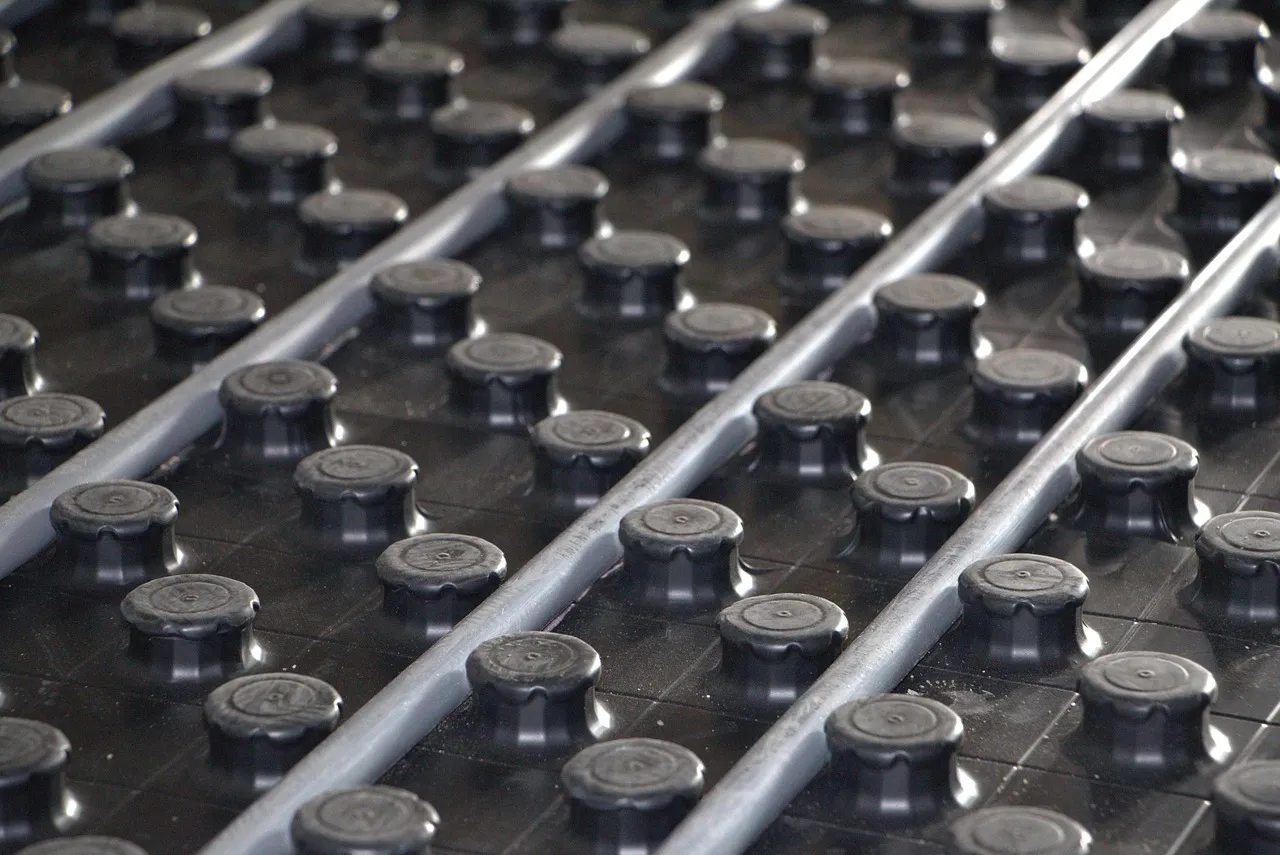
Vinyl and LVT work with both wet (screeded or overlay) and electric (foil or embedded mat) underfloor heating. Foil systems, where the heating cable sits between layers of reinforced aluminium foil, are specifically designed for use under floating floors like vinyl and laminate, helping distribute heat evenly beneath the covering. See our electric underfloor heating guide for foil system details.
Not sure this is the right page?
Get a reading list built for your project
Three quick questions and we will point you to the guides that match what you are actually trying to do.
Find your starting pointThree questions. About 30 seconds. No sign-up.
Vinyl/LVT vs other flooring for UFH
| Material | Heat output | Max surface temp | TOG | Best for |
|---|---|---|---|---|
| Vinyl / LVT | 68 W/m² | 26–27°C (up to 29.4°C) | 0.1–0.5 | Bathrooms, kitchens, hallways |
| Tile/stone | 71 W/m² | 29–30°C (33°C wetrooms) | 0.00–0.10 | Bathrooms, kitchens |
| Laminate | 60 W/m² | 27–29.4°C | 0.05–0.7 | Hallways, living areas |
| Engineered wood | 56 W/m² | 27°C | ≤1.5 | Living rooms, bedrooms |
| Carpet | 48 W/m² | 27°C | 1.5–2.5 combined | Bedrooms |
For the room-by-room recommendations behind this table, see our best flooring guide's room selection section.
Frequently Asked Questions
Can you put underfloor heating under vinyl flooring?
Yes. Vinyl and LVT are compatible with both wet and electric underfloor heating, delivering strong heat output (around 68 W/m²) thanks to low thermal resistance. The main requirement is respecting the 27°C maximum surface temperature most products carry, enforced with a floor sensor thermostat.
What TOG rating is vinyl flooring for underfloor heating?
Vinyl and LVT typically carry a TOG rating of 0.1–0.5, well within the 2.5 TOG ceiling for standard systems and the 1.5 TOG ceiling for heat pumps, making them one of the lower-resistance options alongside tile.
Does LVT need a floor sensor with underfloor heating?
Yes, in practice. A floor-mounted probe wired to the thermostat is the only reliable way to enforce the 27°C surface temperature limit that most LVT products carry, and it's typically required to keep the manufacturer's warranty valid.
Is LVT better than laminate for underfloor heating?
Both perform well, but LVT edges ahead on heat output (68 W/m² vs 60 W/m² for laminate) and water resistance, making it the stronger choice for bathrooms and kitchens. Laminate remains a solid, cost-effective choice for hallways and living areas.
Related reading
- Best Flooring for Underfloor Heating: Complete Guide
- Laminate & Engineered Wood for Underfloor Heating
- Carpet for Underfloor Heating
- Underfloor Heating on Existing Concrete Floors
- Electric Underfloor Heating Systems
Ready to plan your flooring? Compare quotes from installers experienced with vinyl and LVT over UFH via the Underfloor Heating Directory.
One useful email,
once a month.
New guides as they go live. Real cost data, not press releases. The occasional rumour from the industry that's actually worth knowing.
No sales pitches. No jargon. Unsubscribe in one click.