Compare Underfloor Heating Systems
Choosing the right underfloor heating system is crucial for comfort, efficiency, and long-term satisfaction. Our detailed comparisons help you understand electric, water-based, and hybrid options to make the perfect choice for your property, budget, and lifestyle.
System Type Guides
 Electric UFH
 Best Electric Underfloor Heating Systems UK 2026
Compare the best electric underfloor heating systems in the UK for 2026, including real outputs, costs, floor finishes, warranties and leading brands.
 Wet systems
 Best Wet Underfloor Heating Systems UK 2026: Six Brands Compared
Compare the best wet underfloor heating systems in the UK, including Wunda, Polypipe, Uponor, John Guest, Emmeti and Warmup pipe, manifolds and costs.
 Comparison
 Heated Driveways and Snow-Melting Systems: UK Costs
Heated driveways in the UK: compare electric and wet snow-melting systems, typical installation costs and running costs to choose safer winter access.
 Wet systems
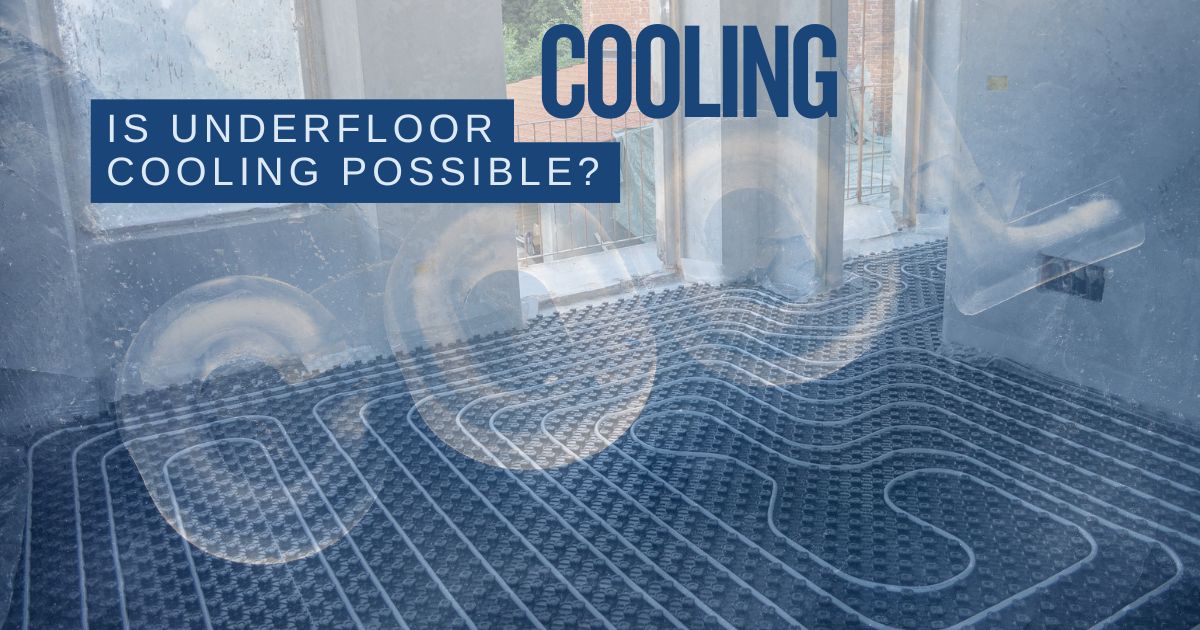
 Underfloor Cooling vs Air Conditioning: UK Cost, Comfort and Practicality
Compare underfloor cooling vs air conditioning for UK homes, including costs, comfort, noise and humidity control, to choose the best cooling solution.
Wet systems Heat Pump and Underfloor Cooling in the UK: A Complete Practical Guide
Learn how heat pumps provide underfloor cooling, including UK running costs, dew point control and suitable homes, so you can keep the home cool in summer.
Comparison Fastwarm Underfloor Heating Review 2026: Products and Verdict
Read our Fastwarm underfloor heating review covering electric mats, WiFi thermostats, running costs and customer ratings. Choose with confidence in 2026.
 Electric UFH
 Underfloor Heating Mats UK: The Complete Guide 2026
Underfloor heating mats suit tiles, laminate and wood, with prices from £20 per m². Compare types, leading UK brands and choose the right system today.
 Wet systems
 Wunda Underfloor Heating Review 2026: Cost, Pros & Installation
Read our Wunda underfloor heating review covering Rapid Response costs, DIY installation and WundaSmart controls, so you can decide if it suits your home.
 General guide
 Best Underfloor Heating Brands UK (2026)
Compare the best underfloor heating brands in the UK. Expert reviews of Warmup, ProWarm, Uponor, John Guest and more to find the perfect system for your home.
 General guide
 Underfloor Heating Costs UK 2026: Installation and Running Costs
Underfloor heating costs £60 to £190 per m² in the UK. Compare electric and wet system installation, running costs and extras to budget with confidence.
 General guide
 Underfloor Heating vs Radiators: Costs, Efficiency and Comfort
Compare underfloor heating vs radiators for costs, efficiency, comfort, heat pumps and retrofits in UK homes. Find the best choice for your UK project.
 Wet systems
 Best Water Underfloor Heating System UK 2026: Buyer's Guide
Looking for the best water underfloor heating system in the UK? We compare screed vs overfloor, boiler vs heat pump compatibility, and manifold quality.
 Electric UFH
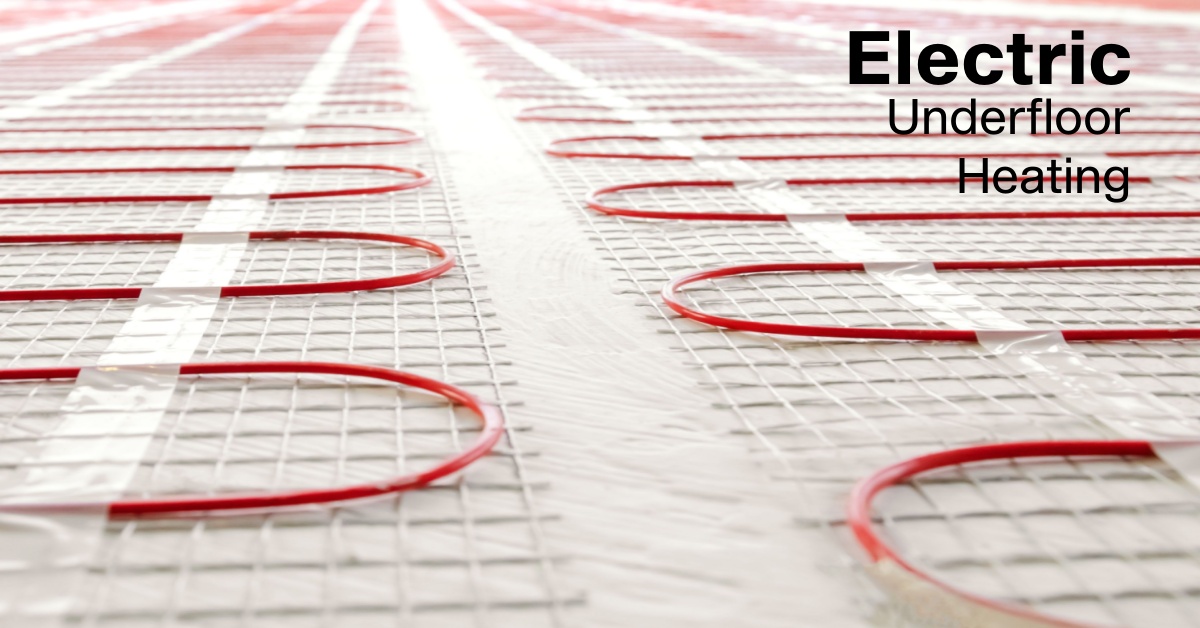
 Electric Underfloor Heating Systems UK: Types and Costs
Electric UFH guide for UK homes: mats, loose cable, foil systems, installed costs, running costs, floor suitability and Part P installation rules.
 Wet systems
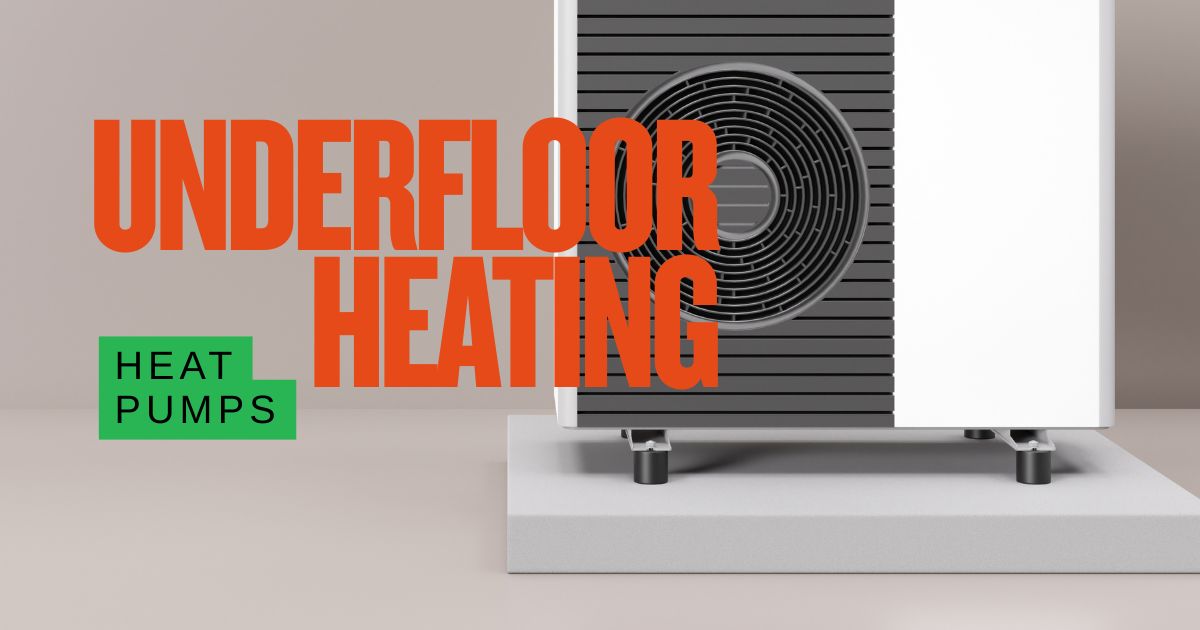
 Underfloor Heating with Heat Pumps: UK Costs and Design Guide
Underfloor heating with heat pumps explained, including flow temperatures, COP, grants, design and running costs. Plan an efficient UK system confidently.
 Comparison
 Electric vs Wet Underfloor Heating UK 2026: Costs and Efficiency
Electric vs wet underfloor heating: compare UK installation prices, running costs and efficiency for single rooms or whole homes, then choose confidently.
Understanding Your Options
Underfloor heating technology has evolved significantly, offering solutions for every situation from single bathroom renovations to whole-house new builds. The fundamental choice between electric and water-based systems affects not just installation and running costs, but also heat-up times, control options, and compatibility with renewable energy sources.
Making the right choice requires understanding how each system works, their strengths and limitations, and how they align with your specific requirements. While electric systems excel in targeted applications and retrofits, water systems dominate whole-house installations where efficiency is paramount. Emerging hybrid approaches combine both technologies to optimize performance room by room.
Electric Systems
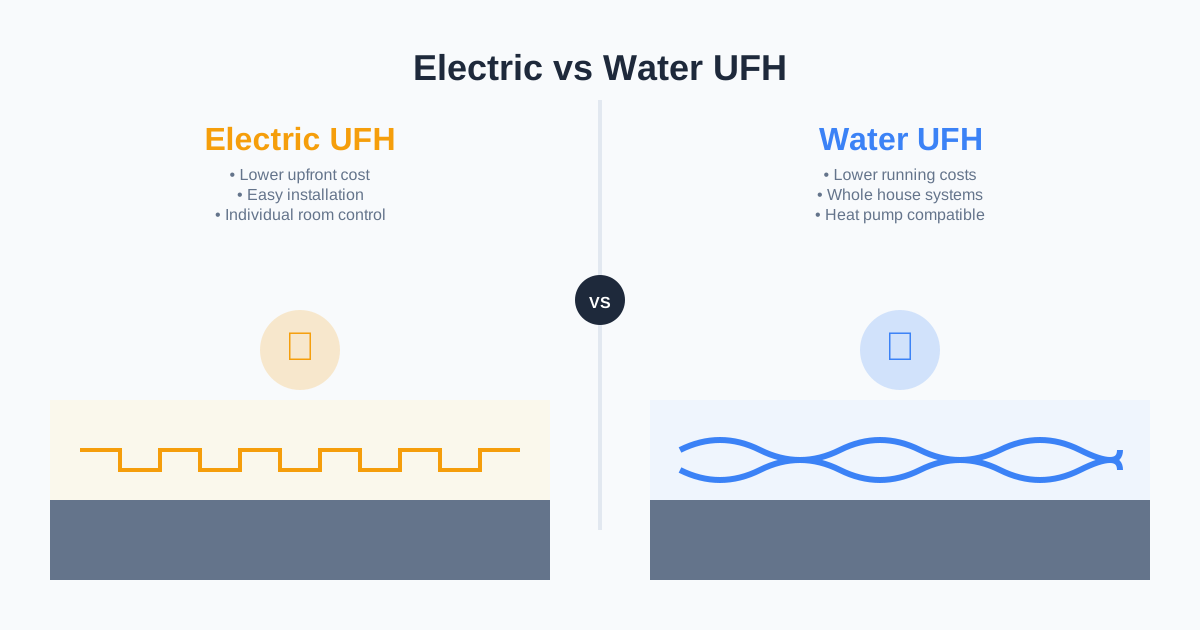
Heating cables or mats powered by electricity. Ideal for smaller areas and retrofits.
Water Systems
Warm water circulated through pipes. Perfect for whole-house heating and new builds.
Hybrid Systems
Combining both technologies to optimize each room's heating solution.
Detailed System Comparison
| Feature | Electric UFH | Wet UFH |
|---|---|---|
| Installation Cost | £25-50/m² ✓ | £50-100/m² |
| Running Cost (annual) | £10-20/m² | £4-8/m² ✓ |
| Heat-up Time | 30-60 mins ✓ | 2-3 hours |
| Floor Height Impact | 3-10mm ✓ | 75-120mm |
| DIY Installation | Possible ✓ | Professional only |
| Best Area Size | <20m² | >50m² ✓ |
| Maintenance | Minimal ✓ | Annual service |
| Lifespan | 20-30 years | 50+ years ✓ |
✓ indicates advantage for typical residential applications
⚡ Electric Underfloor Heating
How It Works
Thin heating cables or pre-spaced mats are installed directly beneath floor coverings. When electricity flows through the resistance wires, they generate heat that radiates upward through the floor surface. Modern systems use sophisticated thermostats with floor sensors to maintain precise temperatures.
Installation Types
- Heating Mats: Pre-spaced cables on mesh backing, fastest installation
- Loose Cable: Flexible spacing for irregular rooms
- Foil Systems: Ultra-thin for laminate/wood floors
Ideal Applications
Cost Example: 10m² bathroom - £500 materials + £300 installation + £60/year running costs
💧 Wet Underfloor Heating
How It Works
Flexible plastic pipes carry warm water from your boiler or heat pump through loops embedded in the floor. A manifold distributes water to different zones, with each loop typically covering 15-20m². The large surface area allows operation at lower temperatures (35-45°C) than radiators.
Installation Methods
- Screed Systems: Pipes embedded in concrete screed
- Overlay Systems: Low-profile panels for retrofits
- Between Joists: Suspended timber floor installation
Ideal Applications
Cost Example: 100m² house - £5,000 materials + £3,000 installation + £400/year running costs
Room-by-Room System Selection Guide
Bathrooms
Recommended: Electric UFH
Why: Small area, high comfort priority, easy retrofit
Typical cost: £300-800 complete
Living Areas
Recommended: Wet UFH
Why: Large area, constant use, efficiency crucial
Typical cost: £2,000-4,000
Kitchens
Recommended: Either system
Why: Depends on size and existing heating
Typical cost: £800-2,000
Bedrooms
Recommended: Wet UFH
Why: Lower temperatures needed, zoning important
Typical cost: £1,000-1,500 per room
Conservatories
Recommended: Electric UFH
Why: Isolated from main system, variable use
Typical cost: £1,000-2,000
Extensions
Recommended: Match existing or water
Why: Integration opportunity, new floor construction
Typical cost: £50-80/m²
🔄 Hybrid Systems: Best of Both Worlds
What Are Hybrid Systems?
Hybrid installations use water-based UFH for main living areas and electric systems for bathrooms or smaller rooms. This approach optimizes both installation costs and long-term efficiency.
Typical Configuration:
- • Ground floor: Wet UFH throughout
- • First floor: Wet UFH in bedrooms
- • Bathrooms: Electric UFH for comfort
- • Conservatory: Electric UFH (isolated)
Benefits of Hybrid Approach
- ✓ Optimized running costs where it matters most
- ✓ Simpler bathroom installation during renovations
- ✓ Independent control of different areas
- ✓ Flexibility for phased installations
Example Savings: 150m² house with hybrid system saves £300-500/year vs all-electric, with £2,000 lower installation cost than all-water.
Making Your Decision: Key Factors
Property Type & Age
New builds suit water systems with proper insulation designed in. Period properties often need electric systems to avoid floor height issues. Modern extensions can accommodate either.
Budget Considerations
Electric systems need £500-2,000 upfront but cost more to run. Water systems require £5,000-15,000 initially but save £200-500 annually. Calculate 10-year total cost for fair comparison.
Energy Source Available
Heat pumps and solar thermal only work with wet systems. Electric UFH on Economy 7 tariffs can reduce running costs. Standard gas boilers suit wet UFH perfectly.
Installation Disruption
Electric systems install in 1-2 days with minimal mess. Water systems need 3-5 days plus 7-30 days screed drying. Consider your tolerance for disruption and alternative accommodation needs.
Future Plans
Planning to stay 10+ years favors water systems for long-term savings. Moving soon suggests electric for lower upfront costs. Consider whether you'll extend or renovate further.