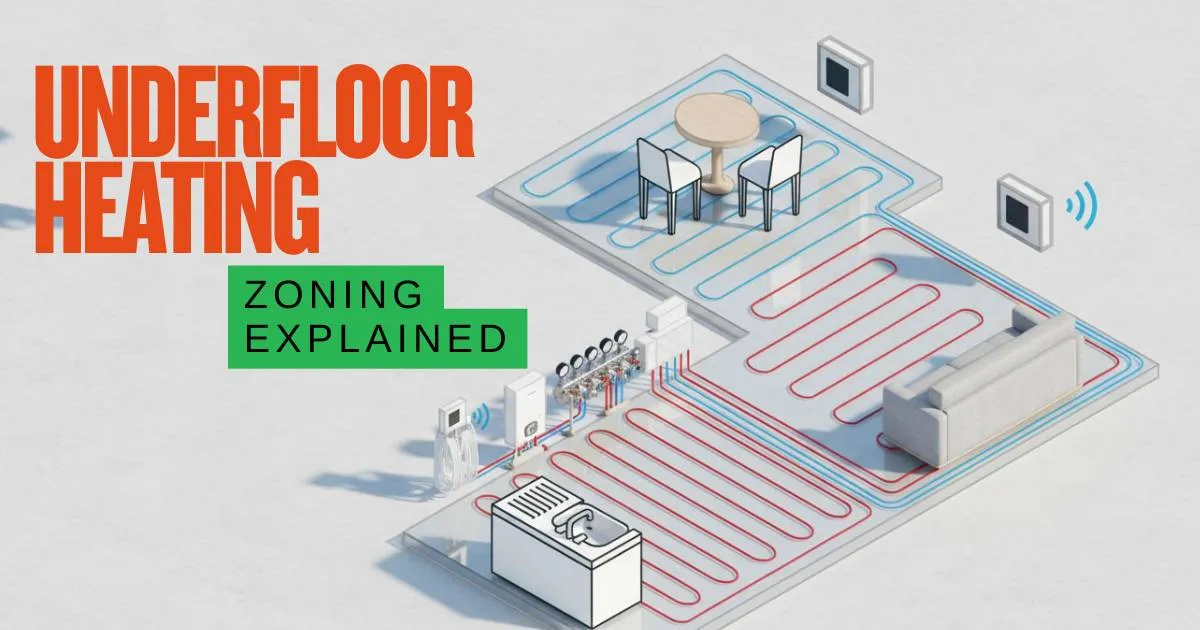
Quick Answer: UFH zoning means controlling each room or area separately via its own thermostat and manifold actuator. You can save 12–40% on heating bills vs a single‑zone setup and improve comfort by matching temperature to room use. Zoning works with both electric and wet systems, but is most common (and most effective) with wet systems connected to a heat pump or condensing boiler. Read more UFH guidance at underfloorheating.info and find specialists through the Underfloor Heating Directory.
Ready to start? Find UFH zoning experts via the Underfloor Heating Directory.
What is UFH Zoning
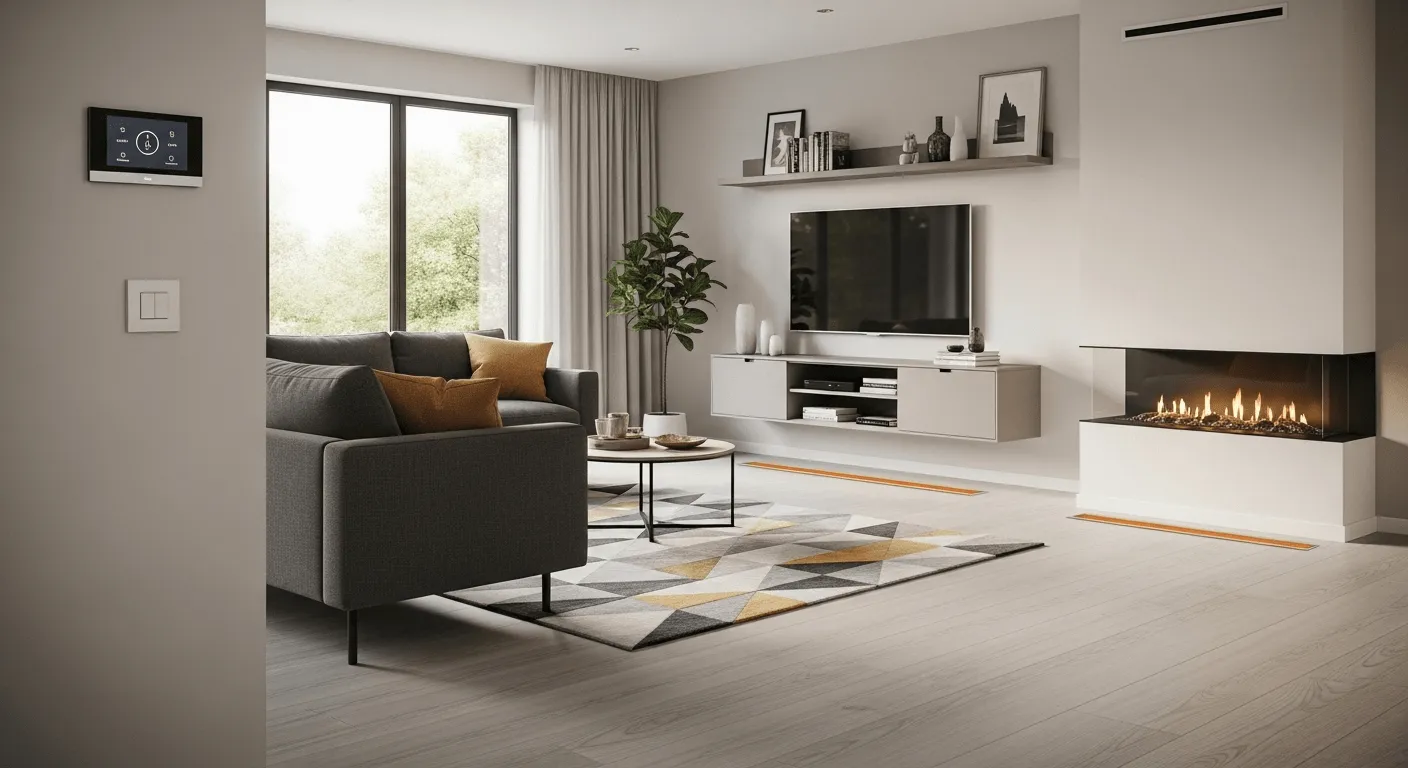
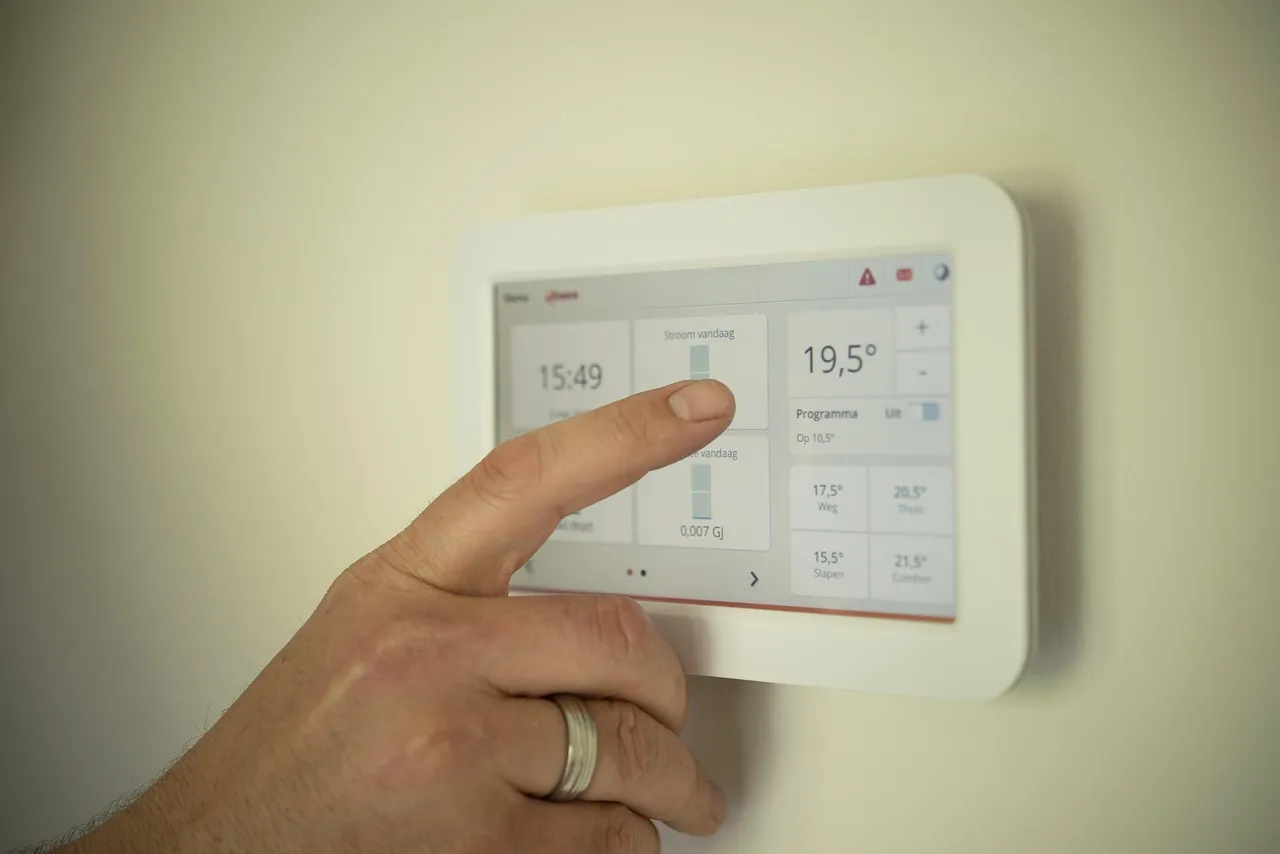
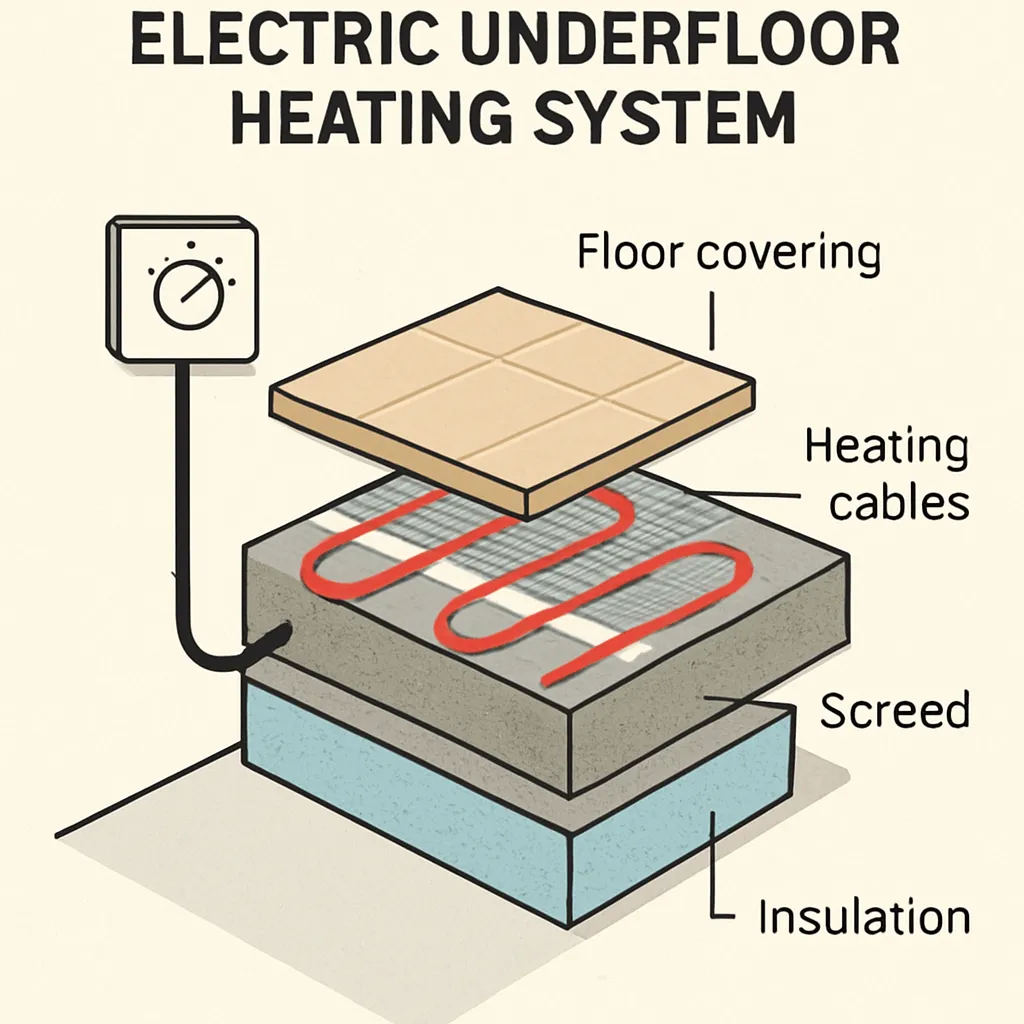
UFH zoning lets you control rooms or areas separately instead of running the whole property from one thermostat. You can give each zone its own temperature and schedule, so you only heat a space when it needs it.
For a complete overview of how UFH works, start with our How Does Underfloor Heating Work? guide. For system design details, see our UFH Design & Planning Guide. If you're choosing a thermostat, see Smart Thermostats for UFH. For room-specific zoning advice, see our living room underfloor heating guide.
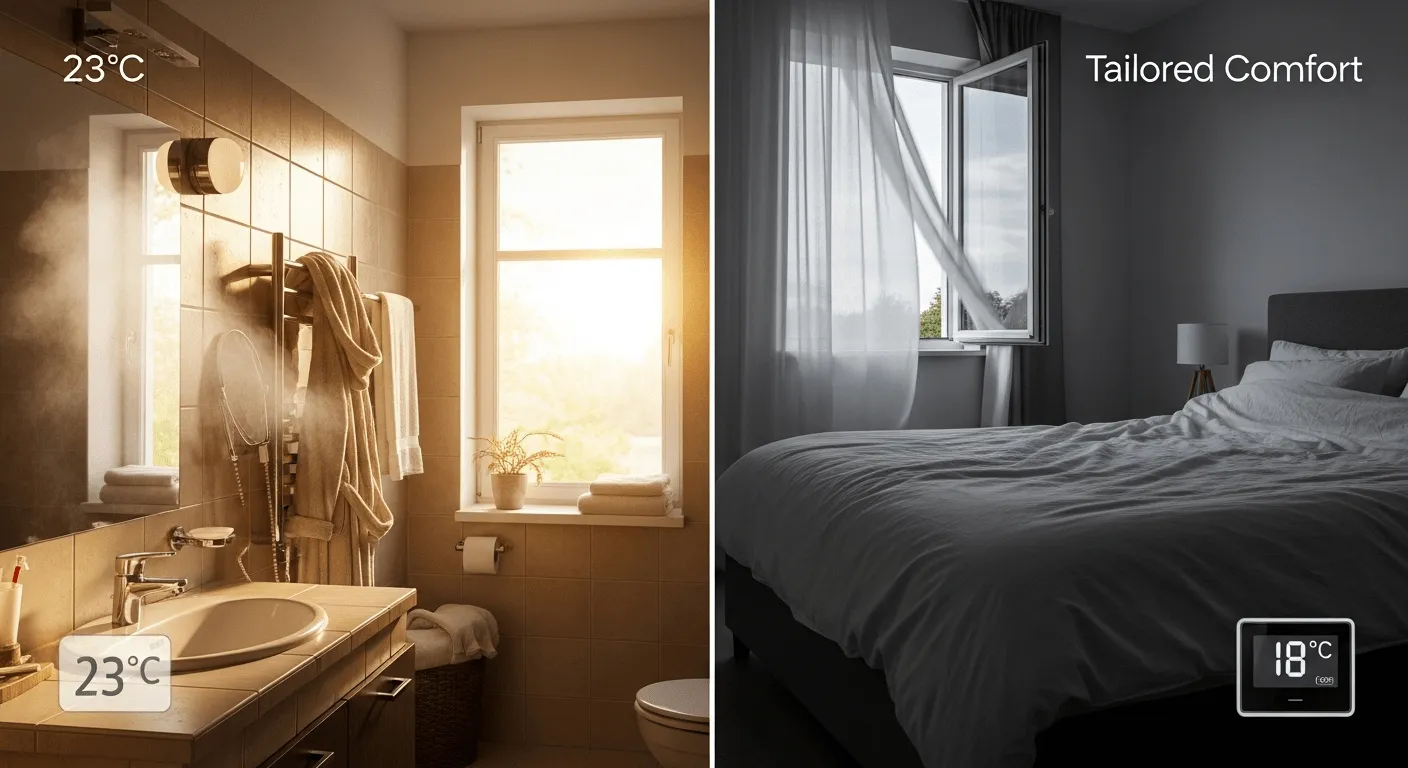
💡 Quick Example: Maintain a warm bathroom at 23°C for morning routines, a comfortable living room at 21°C for the evening, and cooler bedrooms at 18°C for sleeping – all automatically controlled.
The Problem with One Big Zone
A single-zone system creates four common problems:
- Energy waste by heating unoccupied spaces
- Uneven temperatures that can't adapt to different room needs
- Inefficient operation that ignores varying thermal properties
- Limited comfort control with no room-by-room customisation
Key Benefits at a Glance
✅ Personalised Comfort: Different temperatures for different rooms and times
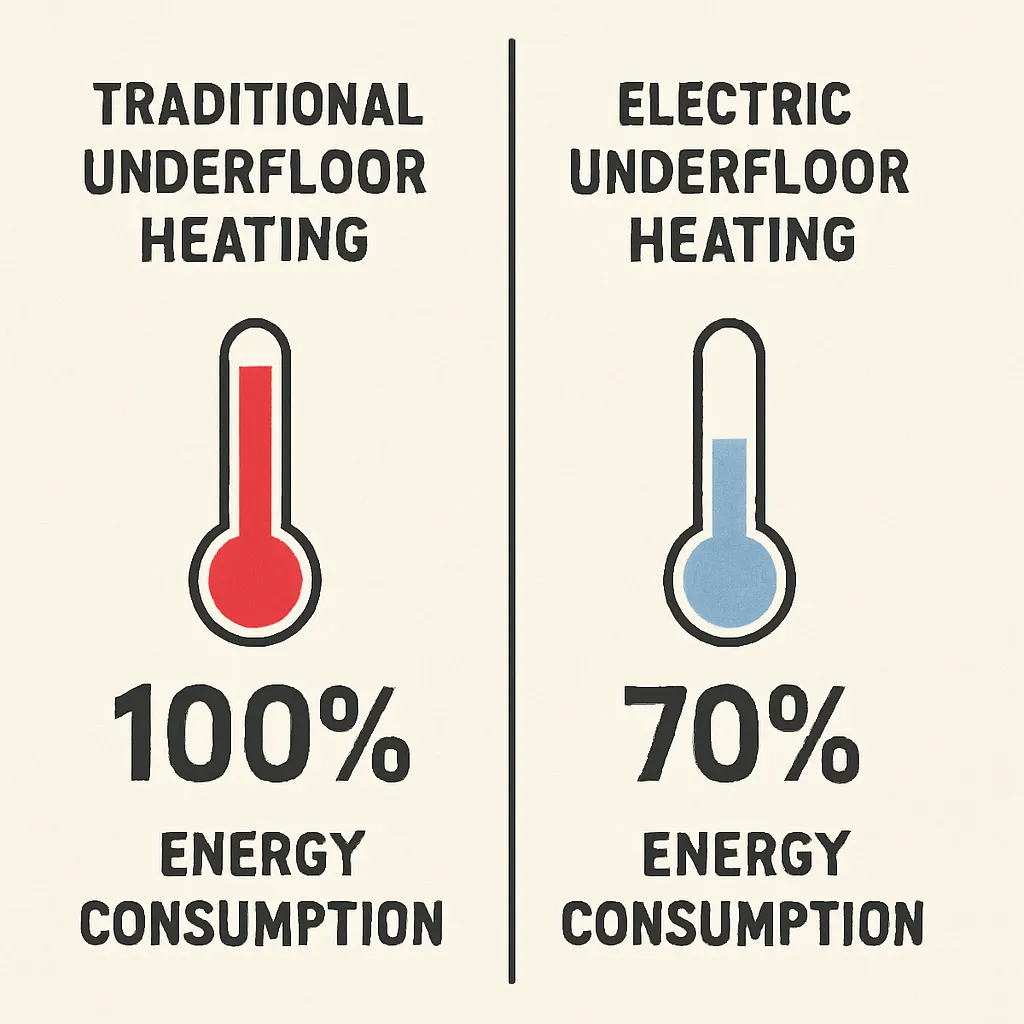
✅ Energy Savings: Up to 40% more efficient than traditional central heating
✅ Smart Integration: Works with modern smart home systems
✅ Future-Proofing: Ideal for heat pump installations
Why Zone Your Underfloor Heating
1. Better Comfort and Control
Zoning gives you precise control over each part of your home:
Room-Specific Temperatures:
- Bathrooms: 23°C for morning comfort
- Living areas: 21°C for socialising
- Bedrooms: 18°C for restful sleep
- Home office: 20°C during work hours
Adaptive to Room Characteristics:
- South-facing rooms with solar gain need less heating
- North-facing rooms require more consistent warmth
- Large open spaces can be divided for targeted heating
2. Lower Energy Use and Costs
The principle is simple: heat the spaces you're using, not the entire house.
Energy Savings Evidence:
- Industry data: Up to 40% more efficient than central heating according to some industry estimates (Warmup, 2022)
- Academic research: 12% reduction in space heating energy use (Energies, 2023)
Real-World Impact:
- Guest bedrooms heated only when occupied
- Home offices warmed during work hours only
- Living areas pre-heated before you arrive home
3. Heat Pump Compatibility and Future-Proofing
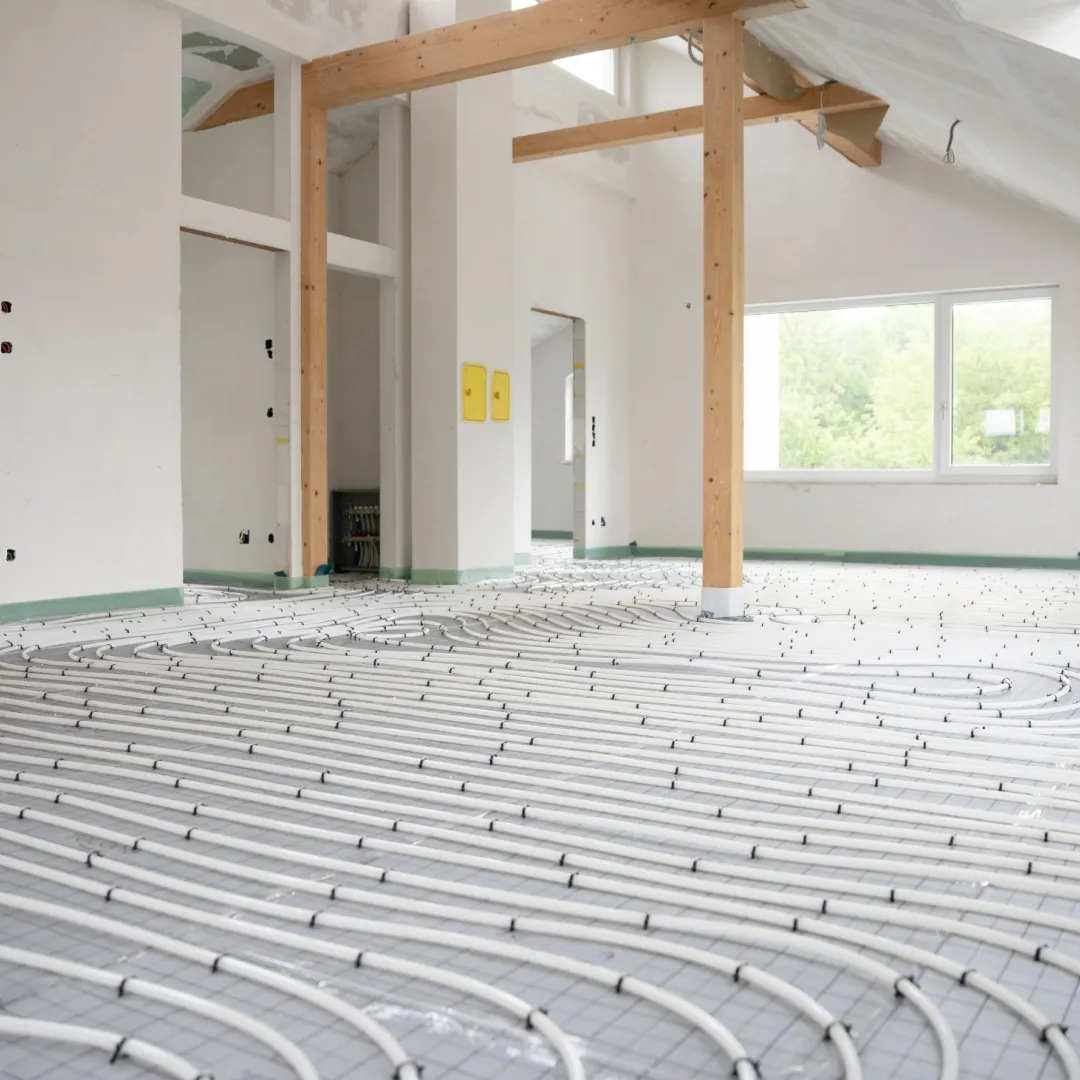
Zoned UFH works very well with modern heat sources:
Heat Pump Synergy:
- Operates efficiently at low temperatures (35-45°C)
- Reduces cycling and improves Coefficient of Performance (CoP)
- Eliminates unnecessary pumping and mixing

Property Value Benefits:
- Demonstrates commitment to energy efficiency
- Appeals to environmentally conscious buyers
- Strengthens sustainability credentials
Traditional vs modern zoning systems
UFH design is moving away from traditional high-temperature systems towards simpler, more efficient setups.

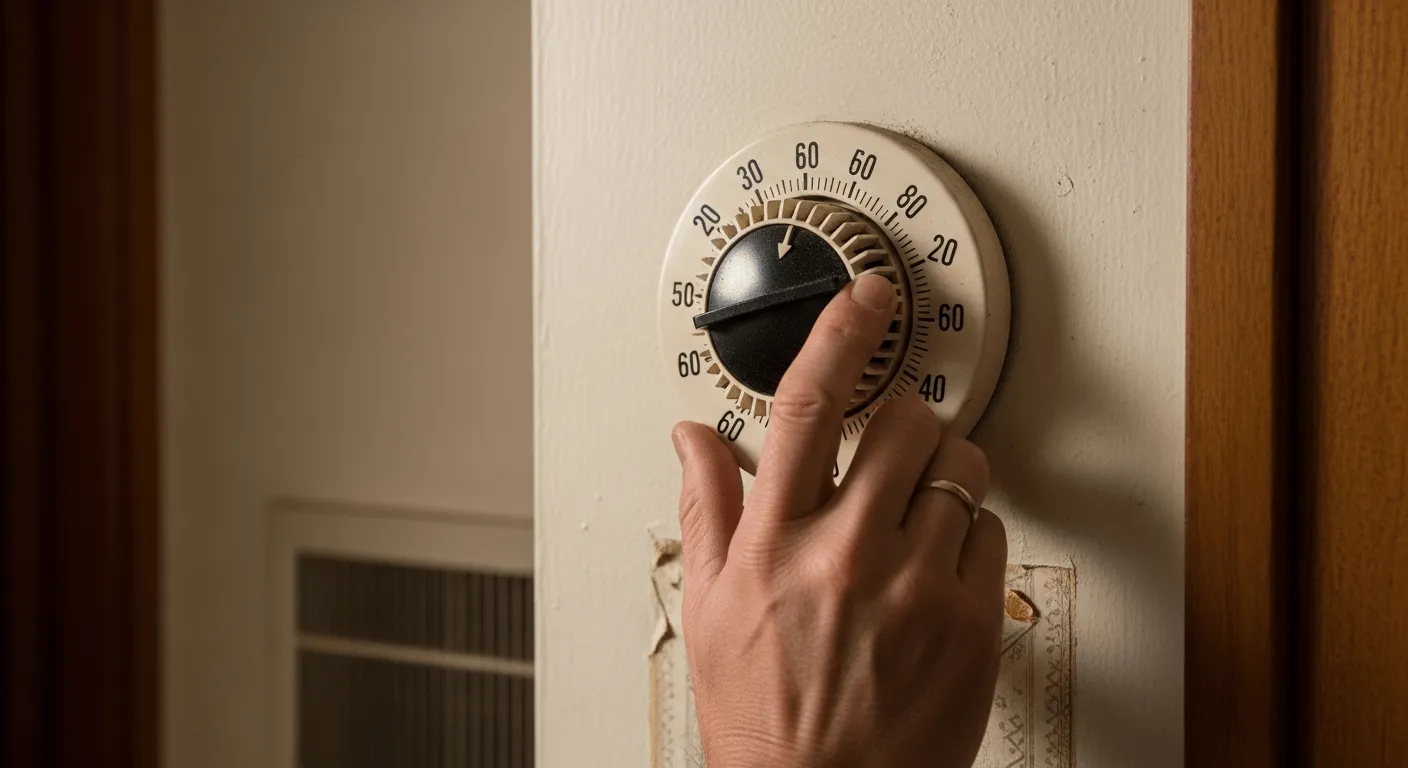
Traditional Zoning Approach
Characteristics:
- Fixed blending valves at manifold, Check out our Underfloor Heating Manifold Guide
- Multiple actuators (one per zone)
- High-temperature operation (60-70°C from boiler)
- Extensive wiring centres and controls
- 10-12mm microbore pipework
Limitations:
- Inefficient high-temperature operation
- Over-complicated control systems
- Poor heat pump compatibility
- Higher pressure losses with small pipes
Modern System Approach
Key Features:
- Electronic mixing valves with weather compensation
- Variable temperature control based on outdoor conditions
- Larger bore pipework (16-17mm minimum)
- Simplified control strategies
- Self-regulating low-temperature operation
Benefits:
- Higher efficiency with boilers and heat pumps
- Reduced complexity and maintenance
- Better compatibility with renewable energy
- Lower operating costs
⚠️ Important: For a new system, ask your installer for proper heat loss calculations and correctly sized pipework. Don't accept a design based on guesswork.
Visual Guide: System Operation Flow
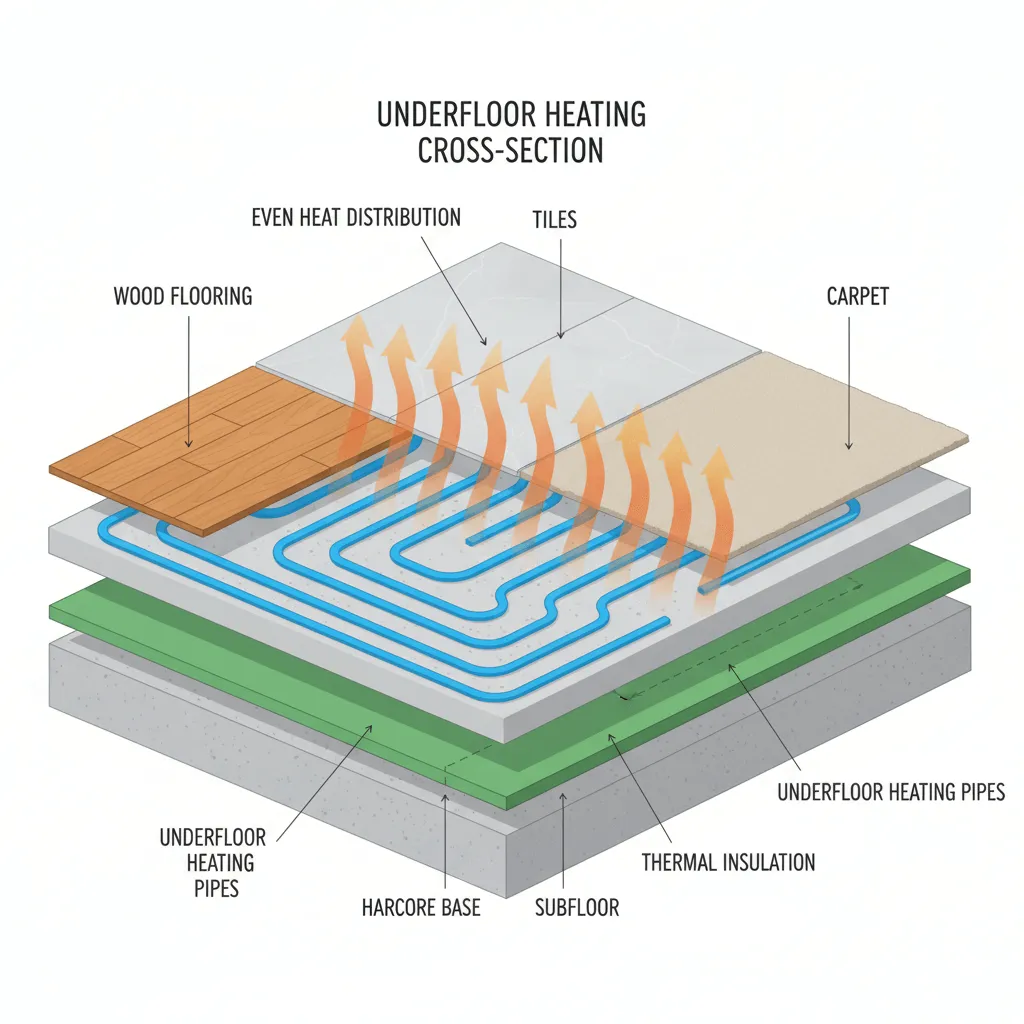
System components explained
You don't need to become a heating engineer, but understanding how the main parts work together will help you ask better questions.
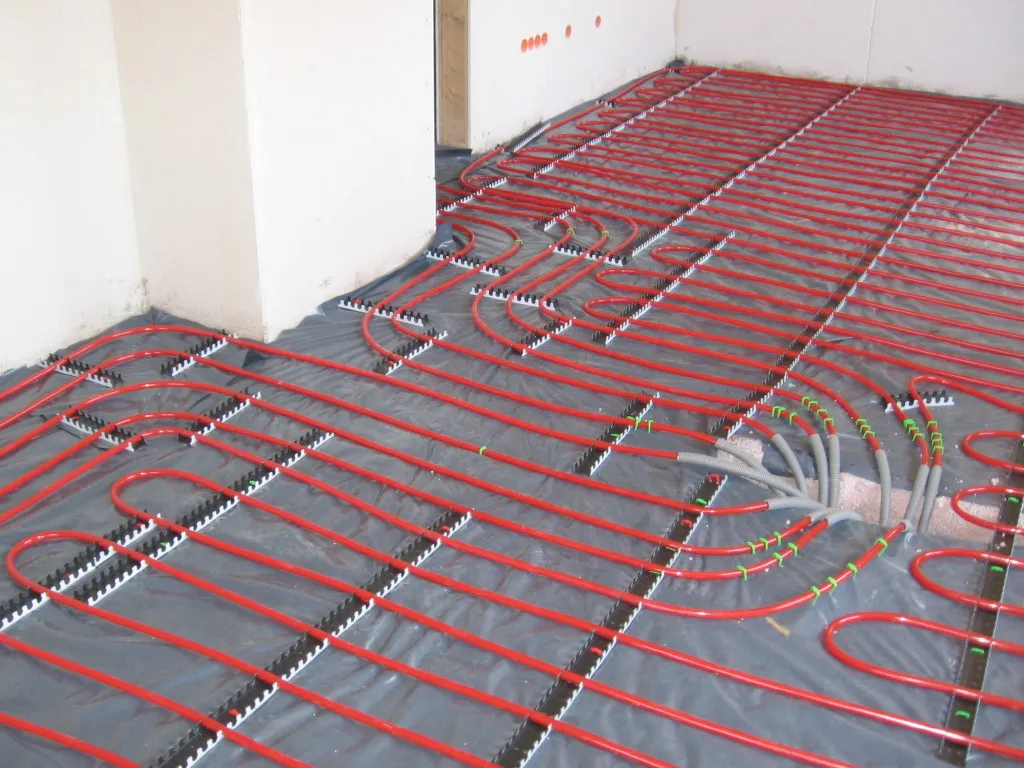
The Foundation: Hydronic Circuits
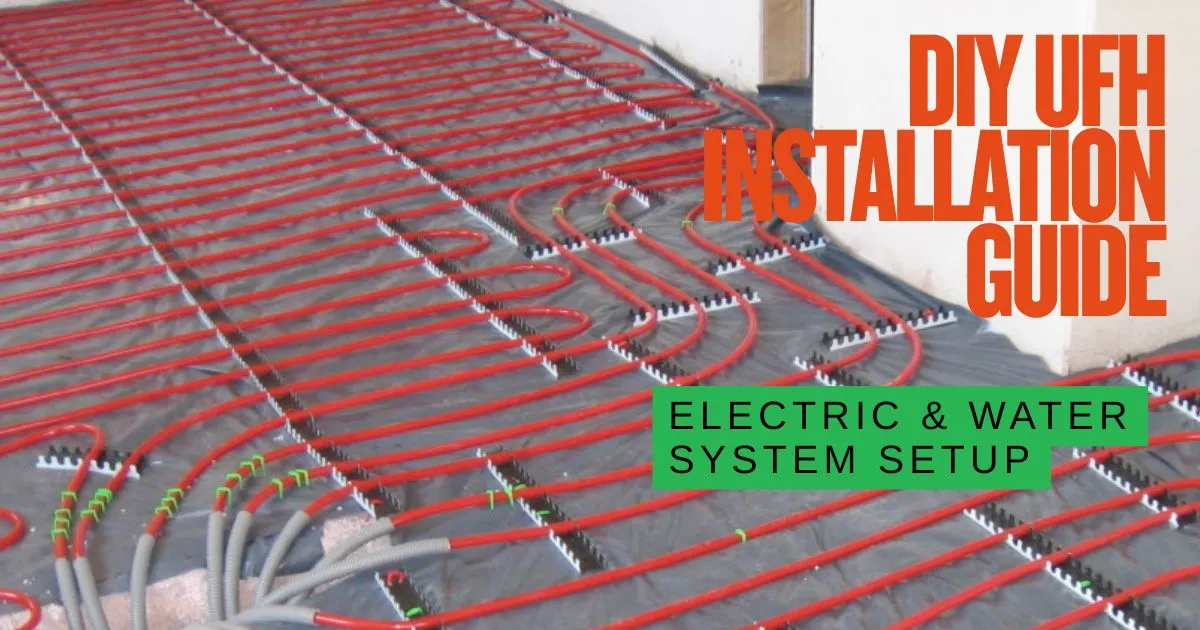
Circuit Design:
- Continuous pipe loops within the floor structure
- Each circuit serves one or more rooms as a zone
- Circuit length determines heat output and flow requirements
Planning Examples:
- Large kitchen/dining: 2-3 circuits controlled as one zone
- Small bathroom: Single circuit as individual zone
- Open plan living: Multiple circuits with flexible zoning options
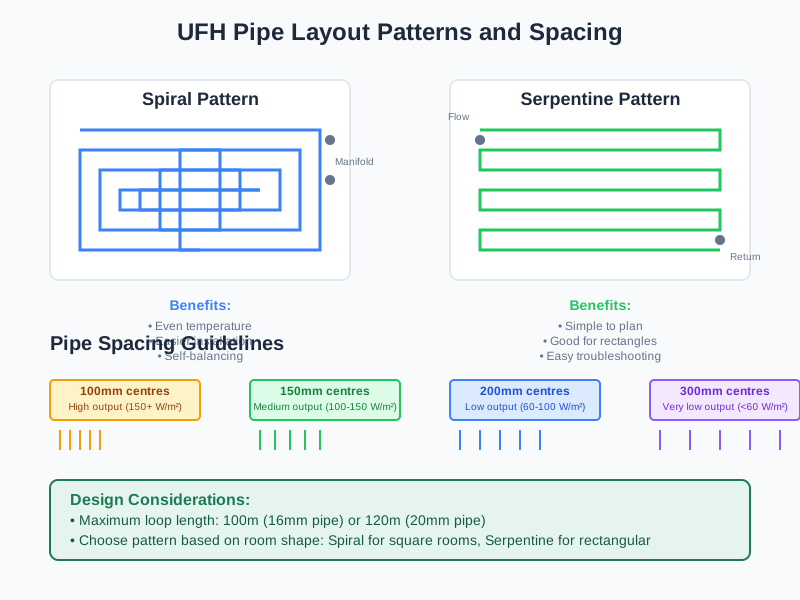
The Command Centre: Manifold Systems
The manifold is the system’s command centre. It connects the heat source to every circuit.
Essential Components:
Flow Meters:
- Transparent gauges showing litres per minute
- Enable system balancing for even heat distribution
- Prevent hot and cold spots between circuits
Actuators (Traditional) vs Electronic Valves (Modern):
- Traditional: Individual actuators per circuit
- Modern: Electronic mixing valve with weather compensation
- Electronic systems reduce complexity and improve efficiency
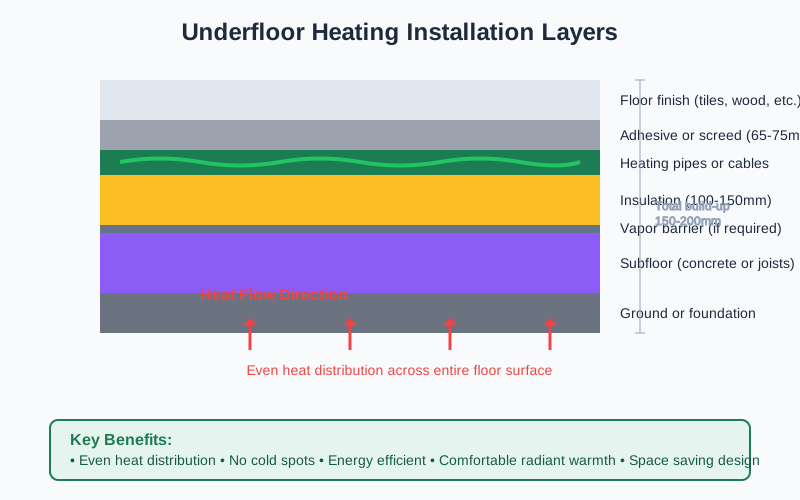
Control Systems: What Runs Each Zone
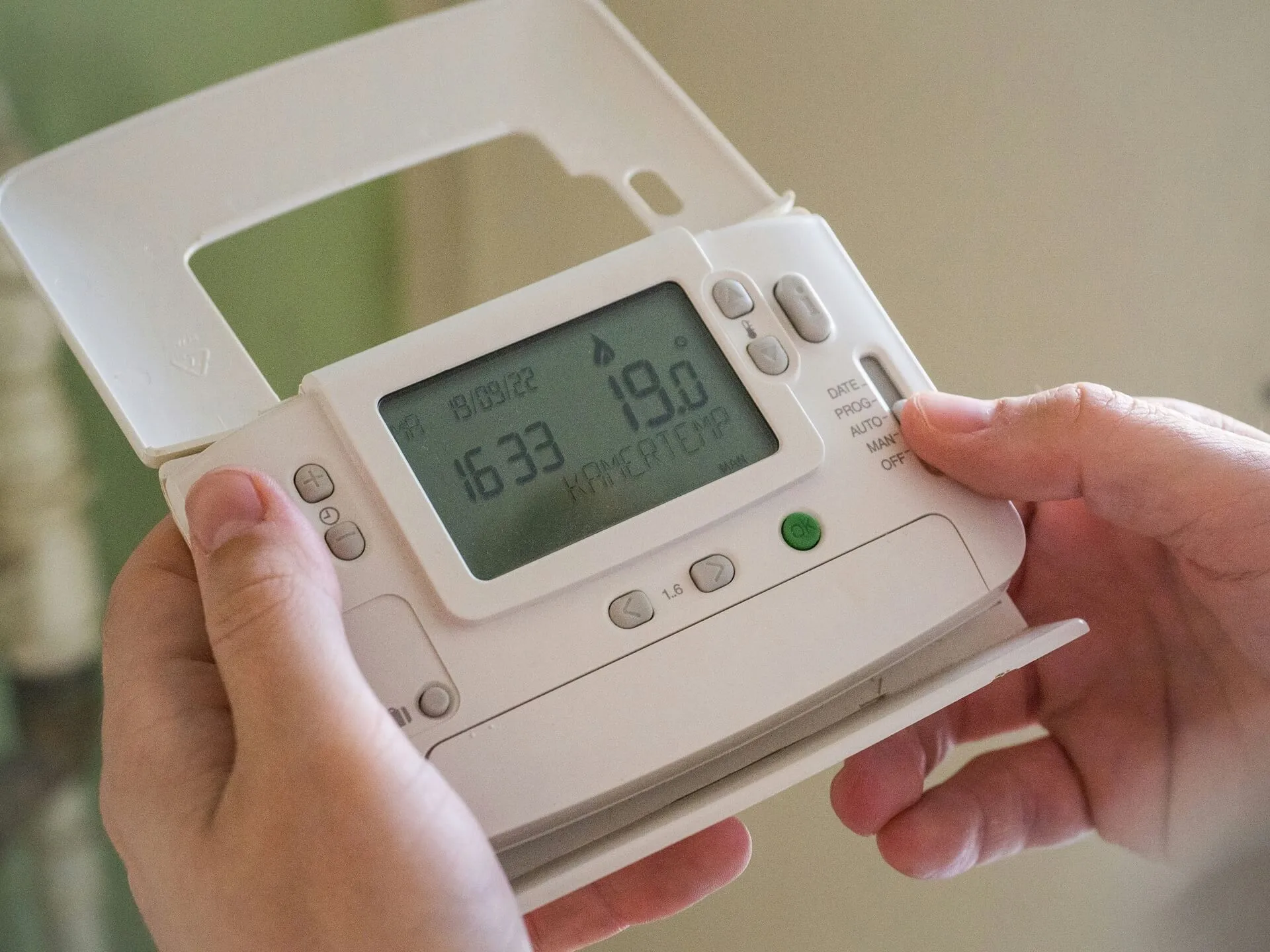
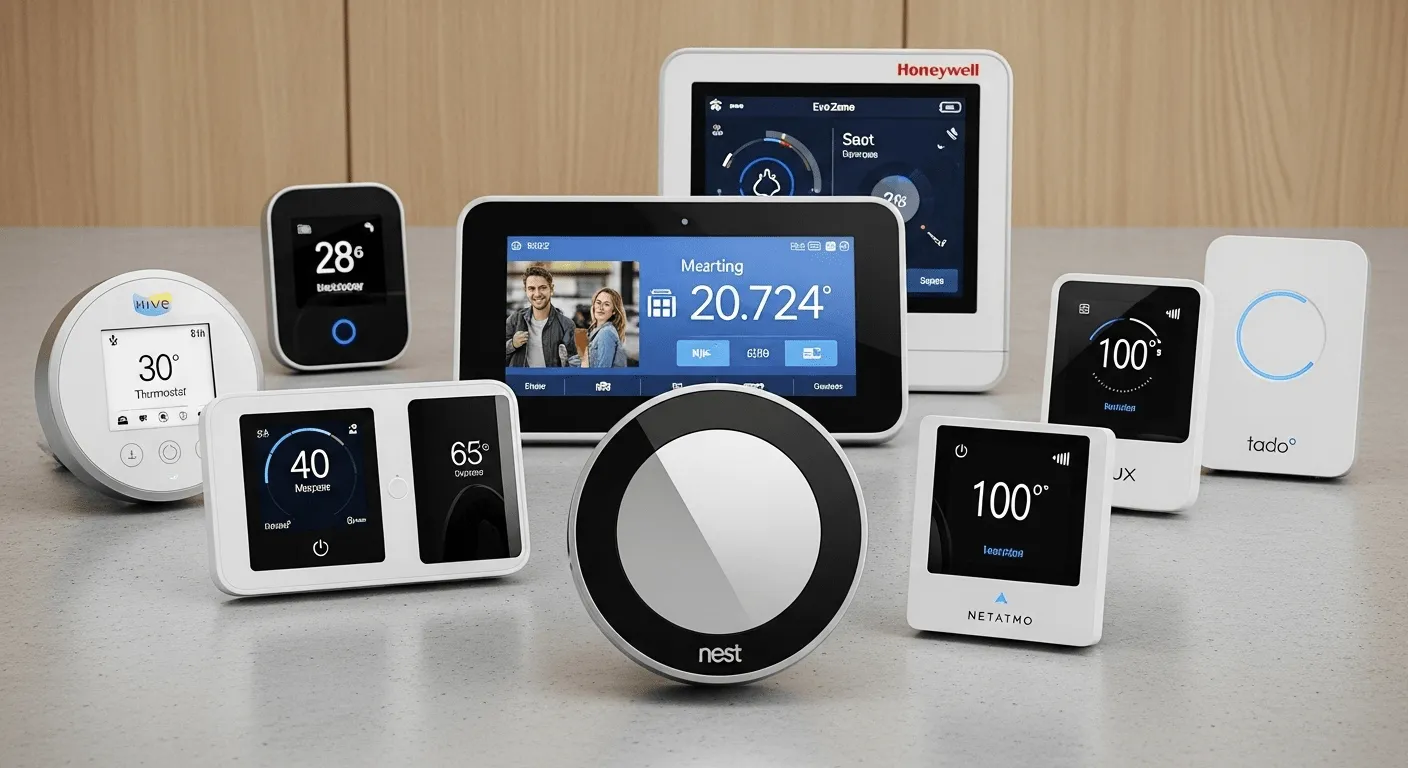
Thermostat Options:
- Manual Thermostats
- Basic dial or button control
- Suitable for simple applications
- No scheduling capabilities
-
Programmable Thermostats
- Weekly scheduling
- Multiple temperature periods
- Good for regular routines
-
Smart Thermostats (Recommended)
- Wi-Fi connectivity and app control
- Learning algorithms
- Geofencing and occupancy detection
- Weather adaptation
- Voice assistant integration
Temperature Sensing Options
Air Temperature Sensing:
- Measures room ambient temperature
- Maximises comfort and energy savings
- 20% more energy flexibility than floor sensing alone
Floor Temperature Sensing:
- Protects sensitive floor finishes
- Prevents overheating (max 27°C for wood/vinyl)
- Essential for floor protection
Dual Sensing (Recommended):
- Air sensor for primary comfort control
- Floor sensor as safety override
- Combines comfort control with floor protection
Smart control options and integration
Leading Smart Thermostat Brands for UFH
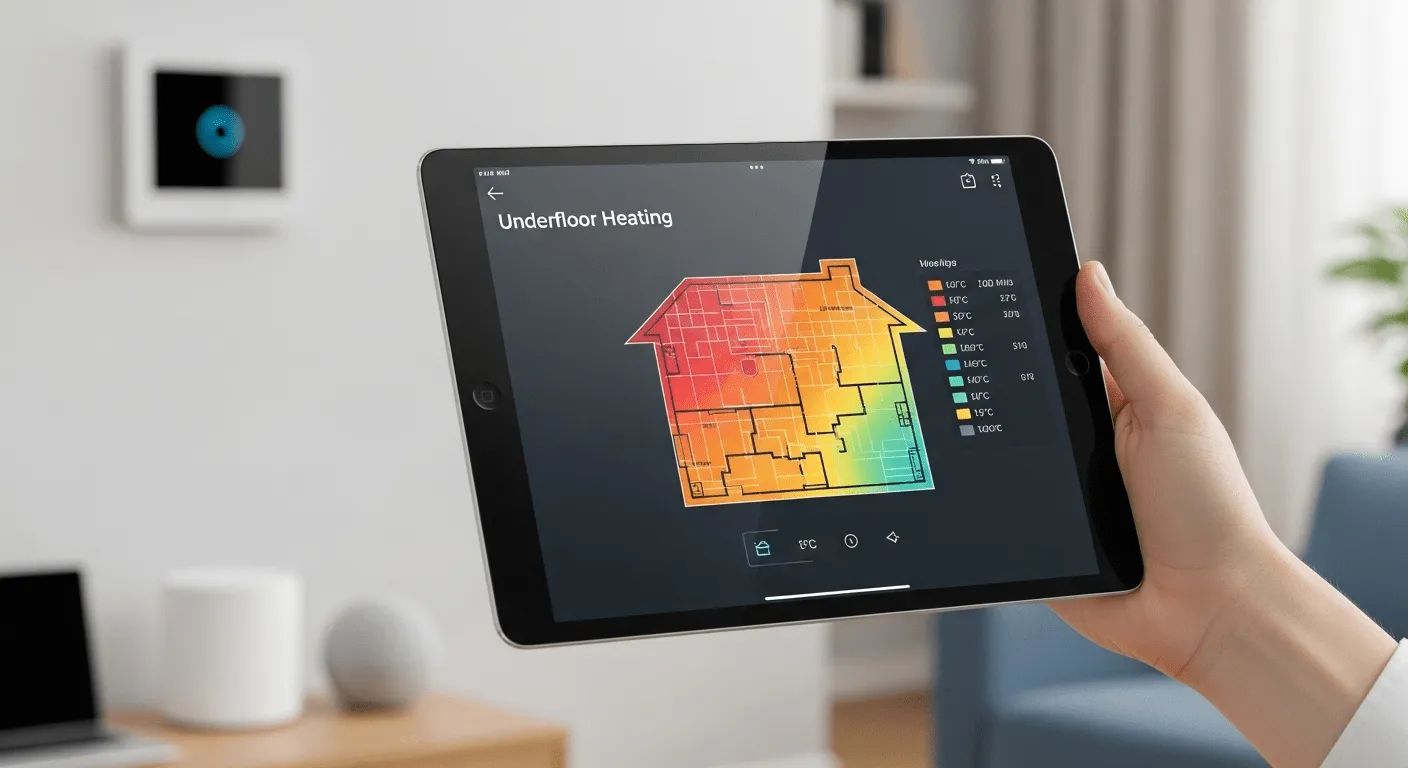
1. Nest Learning Thermostat
- Advanced learning algorithms
- Energy history and savings reports
- Works with Google Assistant
- Excellent app interface
2. Hive Active Heating
- British Gas ecosystem
- Reliable UK support
- Geofencing capabilities
- Holiday mode
3. Tado° Smart Thermostat
- Weather adaptation
- Open window detection
- Multi-zone support
- Excellent energy reports
4. Honeywell Evohome
- Professional-grade multi-zone control
- Up to 12 zones
- Advanced scheduling
- Comprehensive system monitoring

Smart Features Worth Paying For
Geofencing:
- Automatically adjusts when you leave/return
- Prevents heating empty homes
- Can save 10-15% on heating bills
Learning Algorithms:
- Adapts to your routine over time
- Optimises heating schedules
- Improves comfort and efficiency
Weather Compensation:
- Adjusts output based on outdoor temperature
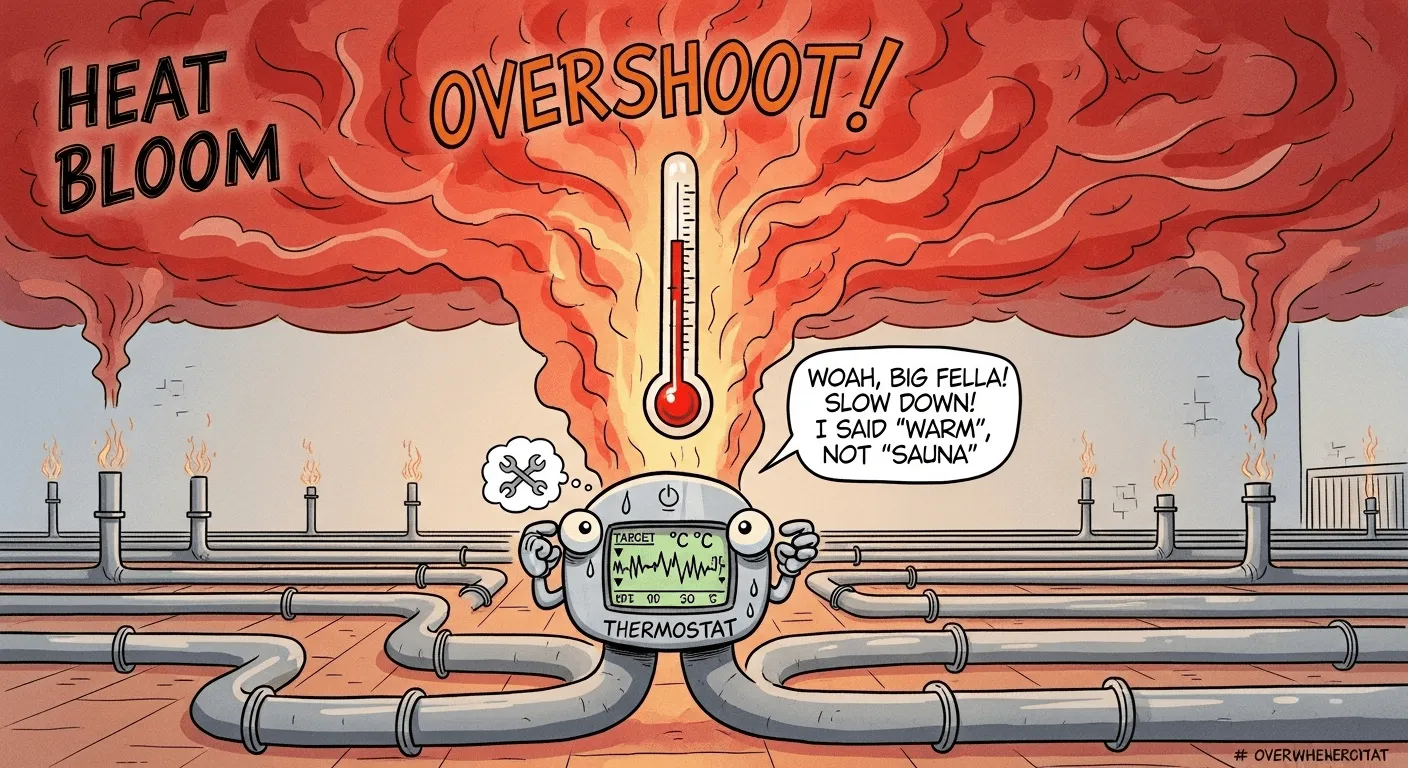
- Reduces overshooting and cycling
- Maximises system efficiency
Voice Control:
- "Alexa, set living room to 21 degrees"
- "Hey Google, turn up the bathroom heating"
- Convenient hands-free control
Planning your zones
Good zoning starts with how you actually use your home. Don't create zones just because the floor plan has separate rooms.

Step 1: Look at How You Use Each Room
Room Usage Assessment:
- High-use areas: Living room, kitchen, home office
- Scheduled use: Bathrooms, bedrooms
- Occasional use: Guest rooms, dining rooms
- Variable use: Open plan areas
Heat Loss Considerations:
- External walls and window size
- Room orientation (north vs south-facing)
- Insulation levels
- Ceiling height
Step 2: Draw Your Zone Map
Grouping Strategy:
Option A: Room-by-Room Zoning
- Individual control for each room
- Maximum flexibility and comfort
- Higher equipment and installation costs
- Best for: Varied schedules, different comfort preferences
Option B: Area-Based Zoning
- Group similar-use rooms together
- Balanced cost and control
- Simpler installation and maintenance
- Best for: Regular routines, cost-conscious installations
Option C: Simplified Zoning (Modern Approach)
- Minimal zones with self-regulating design
- Lower complexity and cost
- Requires excellent system design
- Best for: Well-insulated homes, heat pump installations

Zone Planning Examples
Typical 4-Bedroom House:
| Approach | Number of Zones | Zone Configuration | Best For |
|---|---|---|---|
| Traditional | 7 zones | Living room, Kitchen/dining, Master bedroom, Bedroom 2, Bedroom 3, Main bathroom, Ensuite | Maximum control, varied schedules |
| Modern | 3-4 zones | Living areas, Sleeping areas, Bathrooms, Optional home office | Efficiency, simplified control |
Step 3: Get the Pipework and Sizing Right
Critical Considerations:
Pipework Sizing:
- Minimum 16mm diameter for most applications
- 17mm for longer circuits or heat pump systems
- Avoid 10-12mm microbore (causes efficiency issues)
Heat Loss Calculations:
- Essential for proper system design
- Must account for insulation, windows, orientation
- Determines circuit spacing and flow requirements
- Warning: Avoid installers who design without heat loss data
Flow Temperatures:
- Traditional systems: 60-70°C
- Modern systems: 35-45°C maximum
- Heat pump compatible: 35°C ideal
Brands and products I’d shortlist
UK Manifold Manufacturers to Consider
1. Uponor (Premium Choice)
- Excellent build quality
- Comprehensive range
- Strong warranty support
- Price: £300-800 for 6-port system
2. Polypipe (Value for Money)
- British manufacturer
- Good technical support
- Competitive pricing
- Price: £200-500 for 6-port system
3. HÖRSTAD (Professional Grade)
- High-end European quality
- Advanced flow measurement
- Professional installer preference
- Price: £400-900 for 6-port system
Electronic Mixing Valve Systems
Recommended Brands:
- Siemens VF Series: Reliable, well-supported
- Honeywell V5329: Weather compensation ready
- Grundfos Alpha Reader: Pump and valve integration
Which Smart Thermostat Should You Choose?
| Application | Recommended Product | Price Range | Best Features |
|---|---|---|---|
| Single Zone | Nest Learning Thermostat | £200-250 | Learning algorithms, energy reports |
| Single Zone Budget | Hive Active Heating | £150-200 | UK support, geofencing |
| Multi-Zone | Honeywell Evohome | £400-600 | Up to 8 zones, professional grade |
| Multi-Zone Budget | Drayton Wiser | £300-450 | Good value, reliable performance |

Installation: What to Get Right
New Build vs Retrofit Considerations
New Construction:
- Ideal for comprehensive zoning
- Can accommodate larger pipework easily
- Integrate with modern heat sources
- Design flexibility for future changes
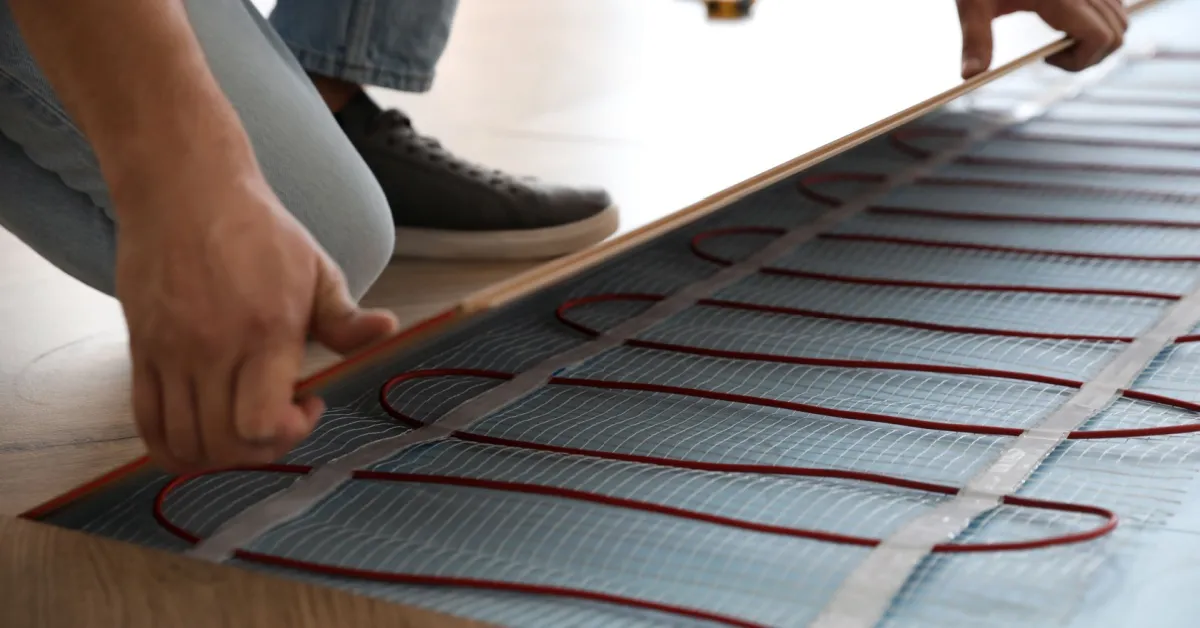
Retrofit Projects:
- Low-profile systems available
- Minimal floor height increase (18-25mm)
- May require simplified zoning approach
- Consider existing radiator integration
- For solid concrete or screed floors, milled screed underfloor heating is also worth considering. It adds zero floor height rather than the 18-25mm of a low-profile overlay, which can simplify zoning across rooms with different existing floor levels

Integration with Heat Sources
Gas and Oil Boilers:
- Well-established control integration
- Weather compensation available
- Modern boilers support low-temperature operation
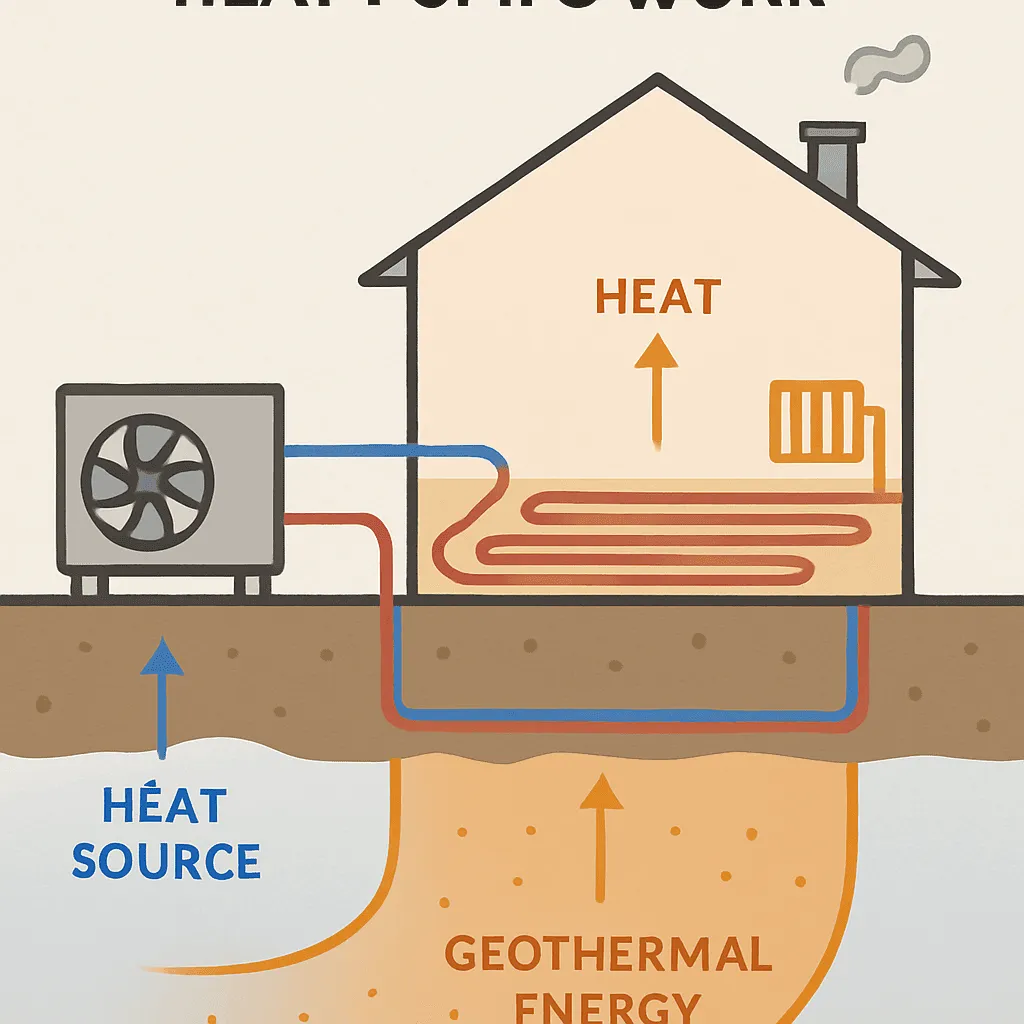
Heat Pumps:
- Ideal partnership with UFH
- Requires low-temperature design (35-45°C)
- May enable elimination of manifold pumps
- Consider buffer tank requirements
Hybrid Systems:
- Heat pump primary, boiler backup
- Sophisticated control requirements
- Professional design essential
What to Expect from a Good Installer
Installer Qualifications to Look For:
- MCS (Microgeneration Certification Scheme) for renewables
- Relevant manufacturer training certificates
- Experience with modern control systems
- Ability to perform heat loss calculations
Installation Quality Markers:
- Proper heat loss calculations provided
- System commissioning and balancing
- Comprehensive user training
- Warranty and aftercare support
Frequently Asked Questions
General zoning questions
**Q: How many zones do I need for my home **
A: It depends on how you use the house and what you want to spend. A typical approach is 3-5 zones for a 4-bedroom house: living areas, sleeping areas, bathrooms, and optionally a home office. More zones give you greater control but also add complexity and cost.
**Q: Can I add zones later **
A: Yes, but it’s easier and more cost-effective to plan them from the start. Adding zones later may mean extra manifold ports, wiring and possibly new pipe circuits.
**Q: Do I need a zone for every room **
A: No. A properly designed modern system can provide excellent comfort with fewer zones. I’d group rooms that have similar usage patterns.
Technical questions
**Q: What's the difference between traditional and modern zoning systems **
A: Traditional systems use fixed blending valves, several actuators and high-temperature operation. Modern systems use electronic mixing valves with weather compensation, lower temperatures and simpler controls.
**Q: Why is pipework size important **
A: Larger pipes (16-17mm minimum) give you better flow, lower pressure losses and improved efficiency. They’re essential for heat pump compatibility and reduce the need for extra pumps.
**Q: Can zoning work with my existing boiler **
A: Most modern boilers can handle zoning, especially with weather compensation controls. You may need to upgrade an older boiler for optimal efficiency.
Cost and efficiency questions
**Q: How much does a zoned UFH system cost **
A: Property size and system complexity make a big difference:
| System Type | Price Range | Typical Application |
|---|---|---|
| Simple 3-zone system | £3,000-5,000 | Small to medium homes |
| Complex 7-zone system | £6,000-10,000 | Large homes, maximum control |
| Smart controls upgrade | £500-1,500 | Added to any system |
**Q: What are the running cost savings **
A: A well-designed system can reduce heating costs by 12-40% compared with traditional radiator systems. Your actual saving depends on insulation, usage patterns and design quality.
**Q: Is zoning worth it for a small house **
A: Yes. Even a small home benefits from basic zoning. A simple 2-3 zone system gives you significant comfort and efficiency improvements at a reasonable cost.
Smart technology questions
**Q: Which smart thermostats work best with UFH **
A: Nest, Hive and Honeywell Evohome are proven options. Choose based on the features you’ll use, the app you prefer and your existing ecosystem (Google, Amazon, etc.).
**Q: Can I control UFH with voice assistants **
A: Yes, most smart thermostats integrate with Alexa, Google Assistant, and Apple HomeKit for voice control.
**Q: Do smart controls really save money **
A: Yes. Studies show they can reduce heating costs by 10-15% through better scheduling, geofencing and adaptive learning.
Installation and maintenance questions
**Q: How long does installation take **
A: For new construction: 2-3 days for pipework, 1 day for controls. For retrofit: 3-5 days depending on complexity. Allow extra time for commissioning and user training.
**Q: What maintenance does a zoned system need **
A: An annual service should cover flow rates, actuators/valves, filters and control operation. A well-designed system generally needs little maintenance.
**Q: What can go wrong with zoning systems **
A: Common problems include failed actuators, trapped air, poor balancing and control programming errors. Good installation and commissioning prevent most of them.
Getting the Design and Installation Right
Why the Design Matters
A good UFH zoning design needs someone who understands:
- Heat loss calculations and thermal modelling
- Hydraulic design and pipe sizing
- Control system integration
- Building regulations compliance
- Future-proofing for renewable energy

What a Professional Service Should Include
Initial Consultation:
- Site survey and thermal assessment
- Discussion of lifestyle and comfort needs
- Explanation of zoning options and benefits
- Cost estimates for different approaches
Design Phase:
- Detailed heat loss calculations
- Pipe layout and circuit design
- Control system specification
- Integration with existing systems
Installation:
- Professional installation team
- Quality materials and components
- System commissioning and testing
- User training and documentation
Aftercare:
- Warranty and support
- Annual maintenance services
- System optimisation
- Emergency call-out services
How to Choose the Right Installer
Key Questions to Ask:
- Can you provide heat loss calculations
- What pipework size do you recommend and why
- Are you trained on modern control systems
- What warranty do you offer
- Can you provide references from recent projects
Red Flags to Avoid:
- Quotes without site visits
- Designs without heat loss calculations
- Insistence on traditional high-temperature systems
- Reluctance to explain technical choices
- Significantly lower quotes (may indicate cutting corners)

Regional Installer Network
I’d look for an installer with:
- MCS certification for renewable integration
- Manufacturer training certificates
- Professional body membership (CIPHE, APHC)
- Strong local reputation and references
- Experience with modern zoning systems
UFH zoning can make your home more comfortable and efficient, but only if the design is right. Here’s the action plan I’d follow:

The Formula That Works
-
Start with Professional Heat Loss Calculations
- Essential foundation for any good system
- Determines pipe spacing and flow requirements
- Enables proper zone sizing
-
Choose Modern System Components
- 16-17mm pipework minimum
- Electronic mixing valves where appropriate
- Smart controls for maximum efficiency
-
Plan Zones Based on Usage, Not Just Room Count
- Group similar-use areas
- Consider simplified zoning for efficiency
- Balance control with complexity
-
Future-Proof for Renewable Energy
- Design for heat pump compatibility
- Choose low-temperature operation
- Consider weather compensation
Take the Next Step
Ready to plan your system? Here’s what to do:
- Calculate your potential savings with our UFH cost calculator
- Download our zone planning worksheet to assess your needs
- Request quotes from qualified local installers
- Ensure proper heat loss calculations are included

A well-designed zoning system will give you better comfort and lower energy use for decades. Start with the heat loss calculation, keep the controls as simple as the property allows, and make sure the installer commissions every circuit properly.
About This Guide: I update this guide to reflect the latest industry developments and best practices. Last updated: March 2026.
Need Help? Contact our technical team for personalised advice on your UFH zoning project. We’ll help you make the right decisions for your home.
Need professional zoning? Compare vetted installers via the Underfloor Heating Directory.
One useful email,
once a month.
New guides as they go live. Real cost data, not press releases. The occasional rumour from the industry that's actually worth knowing.
No sales pitches. No jargon. Unsubscribe in one click.