
Introduction: Average UK market rates:
Getting a straight answer on underfloor heating costs can be frustrating. You ask for a price and get a list of caveats. Use the guidance at underfloorheating.info to prepare your project, then visit the Underfloor Heating Directory when you’re ready to compare your options.
Guided reading
Not sure where to start?
Answer three quick questions and we will point you to the right guides for your project.
Find your starting pointThree questions. About 30 seconds. No sign-up.
There’s a good reason for that. An Underfloor Heating Quotation isn't like buying a radiator off the shelf. Your floor layout, insulation levels and heat source all affect the work, so one price won't fit every project.
You still need a useful baseline. Here are the average 2026 market rates for the UK.
At a Glance: Typical Installation Costs (2026)
| System Type | New Build (per m²) | Renovation (per m²) | Best Use Case |
|---|---|---|---|
| Electric (Dry) | £50 - £75 | £60 - £85 | Bathrooms, single rooms, kitchen retrofits. |
| Water (Wet) | £85 - £100 | £95 - £135+ | Whole house, extensions, open-plan living. |
Note: These figures estimate "supply and fit". Regional labour rates, especially in London, can push these higher.
Ready to request quotes? Get free, no-obligation estimates from professional installers via the Underfloor Heating Directory.
System Selection: The First Price Pivot
Your quote hinges on one basic choice: water or electric?
The costs work very differently for each.
Electric (Dry) Systems
Think of this as the lightweight option. Electric systems use thin wires or mats that sit directly beneath your tiles or timber, and they’re quick to install.
- The Cost Dynamic: Low upfront cost. High running cost.
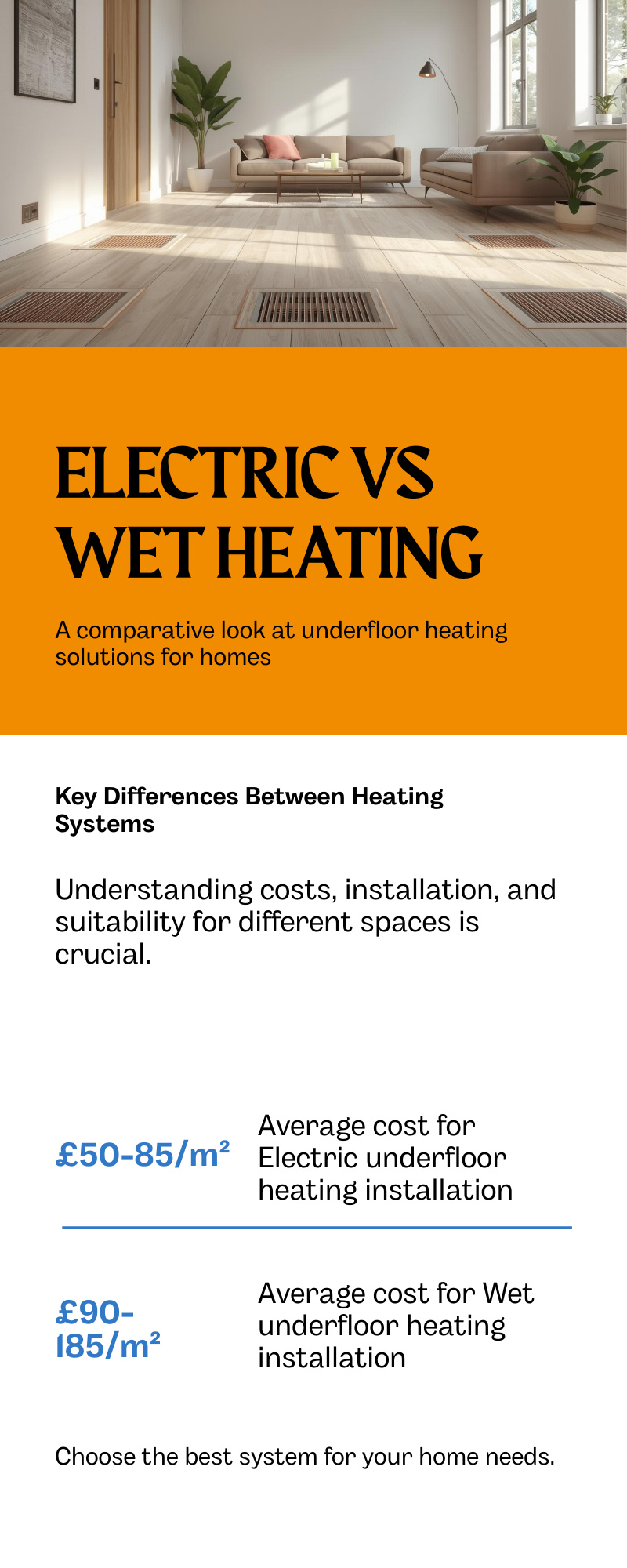
- Why choose it? If you’re doing up a bathroom or small kitchen, it makes sense. You don't need a plumber, and an electrician and tiler can sort it out in a day. The electric underfloor heating cost per square metre usually lands between £50 and £85.
- The Catch: Electricity is expensive. Use it across a large open-plan living area and your monthly bills will climb fast.
Water-Based (Wet) Systems
This is the heavy hitter. Warm water runs through durable pipes embedded in your floor.
- The Cost Dynamic: High upfront cost. Low running cost.
- Why choose it? It’s extremely efficient. Pair it with a heat pump and running costs are minimal. It’s the standard choice for new builds and major renovations.
- The Catch: Installation is invasive. You’ll need manifolds, plumbing connections and often a fresh layer of screed. That’s why the
wet underfloor heating installation costis higher, typically £90 to £185 per m².
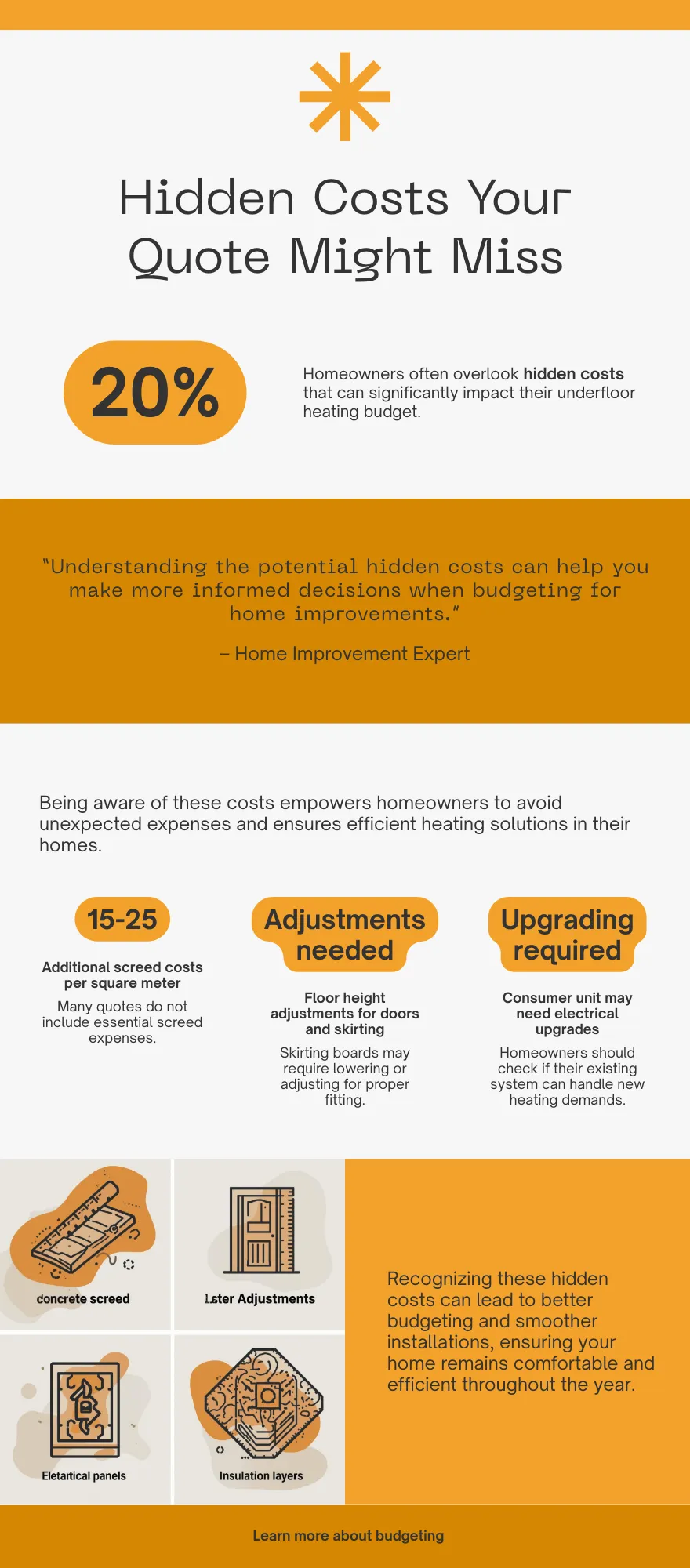
The "Hidden Costs" Your Quote Might Miss
This is where I see homeowners get caught out.
A "cheaper" quote can look attractive because it leaves out essential preparation. Check for these line items when you compare quotes. If they aren't there, ask why.
Before you compare prices, check whether each quote includes the right qualified trades. Our underfloor heating installer qualifications guide explains what to ask for on electric, wet, gas boiler, and heat pump projects.
1. The Screed Factor
With a wet system, screed usually covers the pipes. Who’s paying for it?
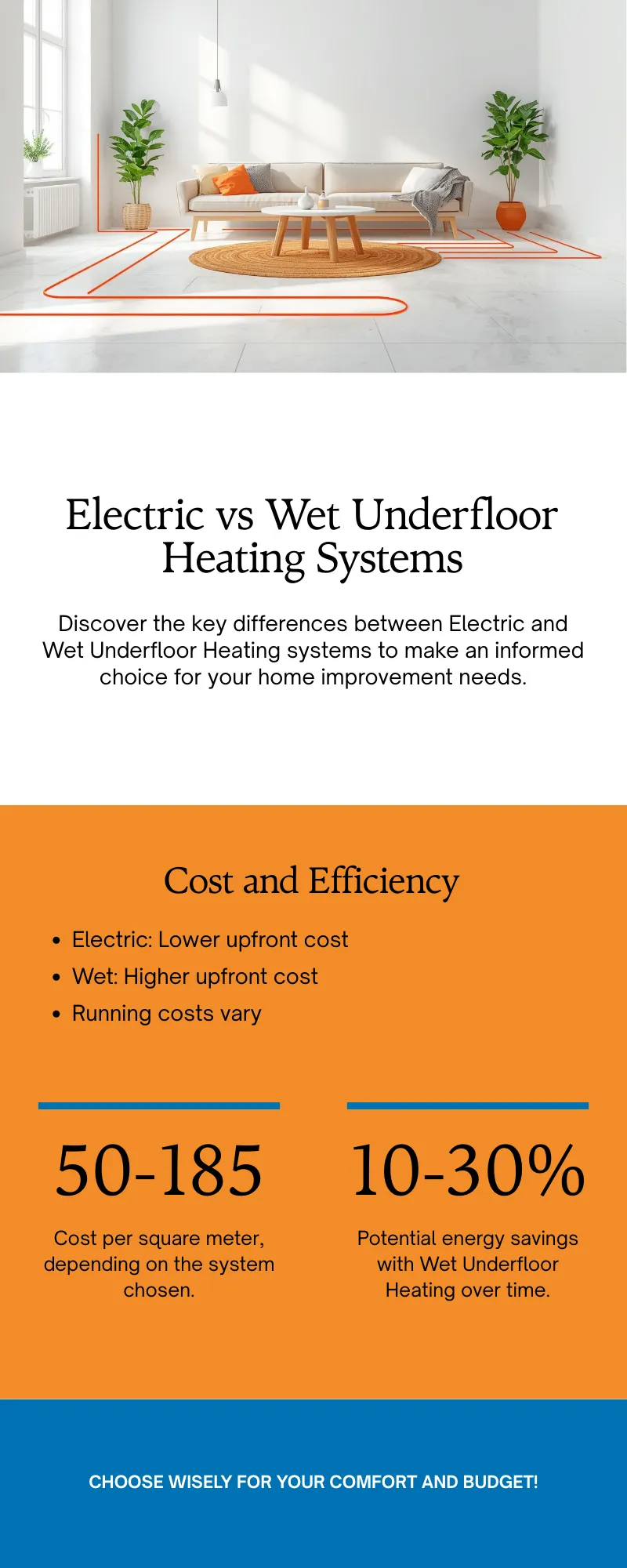
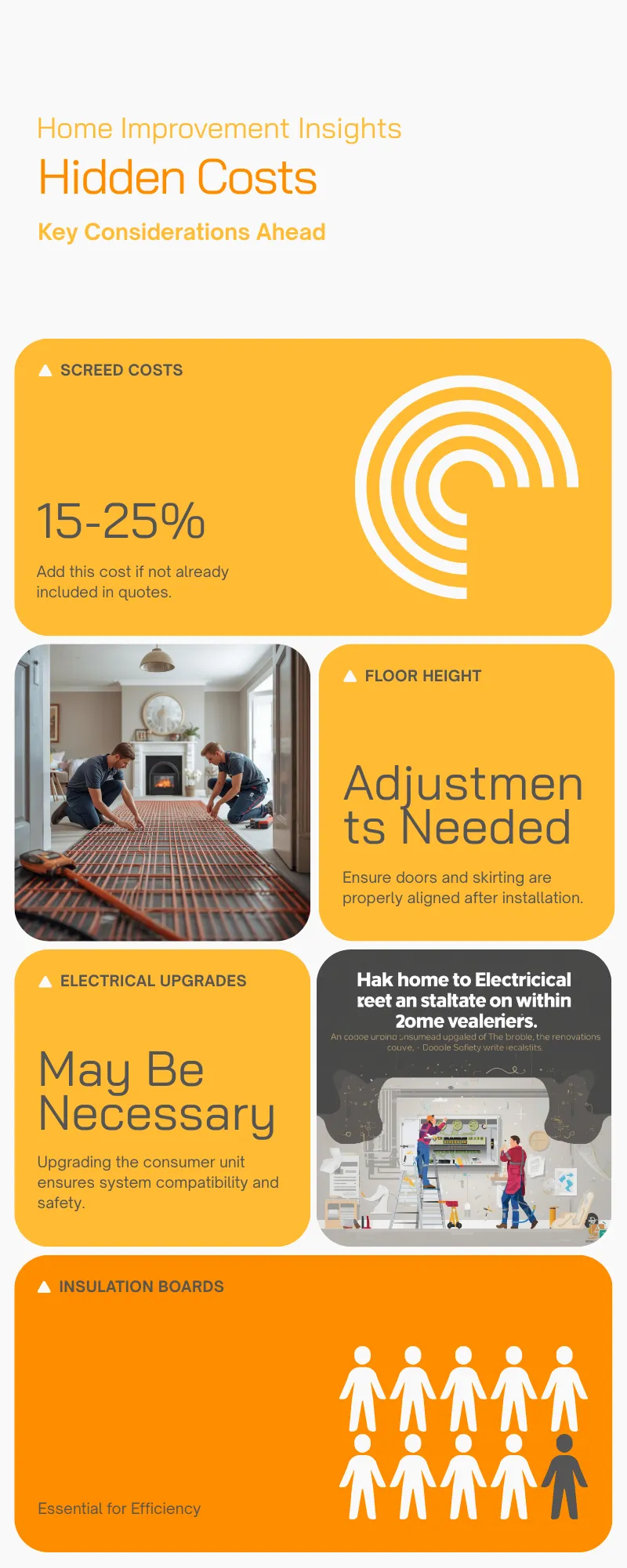
Some installers include the pipe laying but not the screed pouring. Liquid screed conducts heat brilliantly, but it’s not cheap. If it’s missing from the quote, add £15 - £25 per m² to your budget straight away.
2. Floor Height Adjustments
Retrofitting? Watch the finished floor height.
Even "low profile" systems add 15-20mm. That sounds negligible, but your doors may no longer close. You’ll need to trim them, remove and refit skirting boards, and possibly cut down kitchen plinths.
Does your heating engineer do carpentry? Probably not. You’ll need a joiner.
3. Electrical Upgrades
Wet systems need a manifold, the manifold needs a wiring centre, and the wiring centre needs a spur from your consumer unit.
If your current fuse box is ancient or full, you might need an upgrade for the new pumps and zone controls. A standard plumbing quote rarely includes this electrical work.
4. Insulation Boards
I can't stress this enough: Do not skip insulation.
Some quotes leave out insulation boards to keep the price down. Without them, you’re paying to heat the earth beneath your house. Make sure your quote specifies high-performance insulation (like PIR boards), not just a thin reflective foil.
Running Costs & ROI: The Long Game
Don't judge the job on the installation price alone.
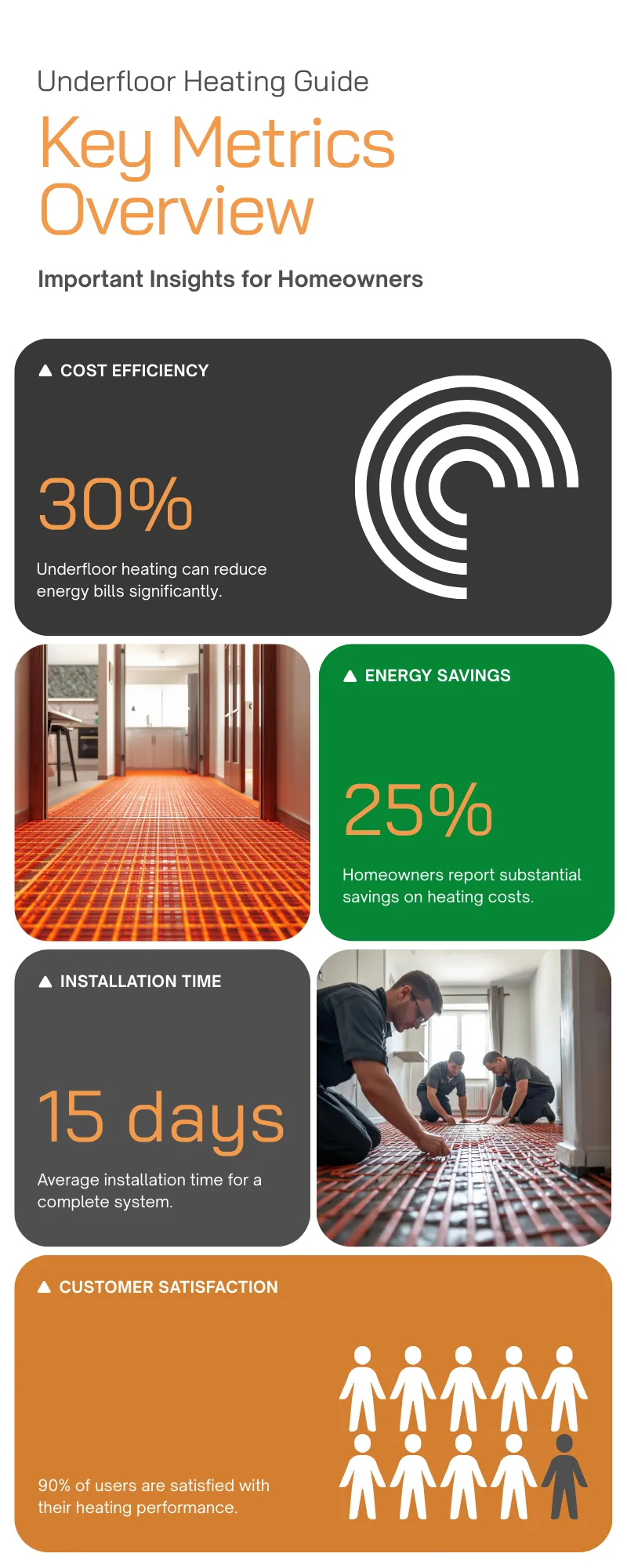
The initial outlay might make you wince, especially next to a bog-standard radiator swap. But long-term efficiency gains, often hovering around the 25% mark, change the financial picture.
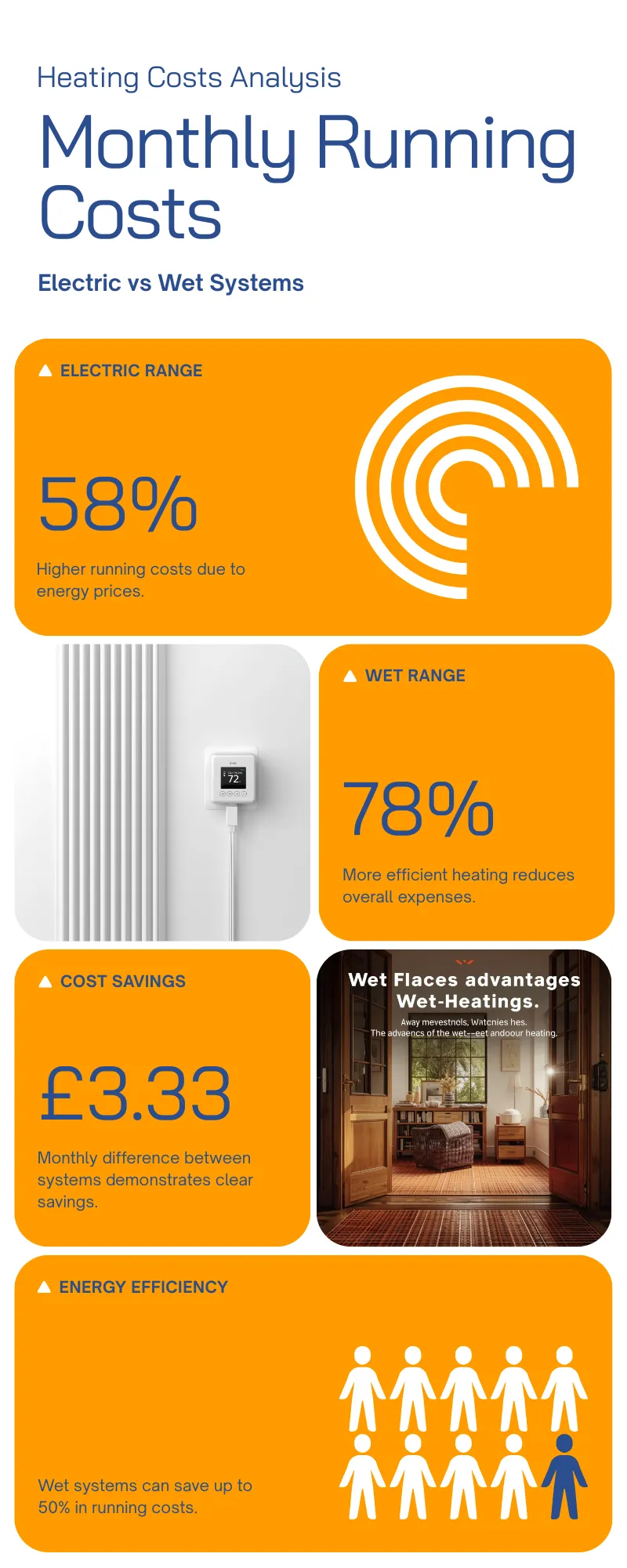
Monthly Cost Estimates (10m² Room):
Not sure this is the right page?
Get a reading list built for your project
Three quick questions and we will point you to the guides that match what you are actually trying to do.
Find your starting pointThree questions. About 30 seconds. No sign-up.
- Electric System: £2.25 - £4.17 per month.
- Wet System: £0.42 - £1.00 per month.
Based on standard 2026 energy caps. Actual costs depend on your insulation.
If you’re renovating a whole floor, the wet system pays for itself. It adds value to the property too. Estate agents love listing "underfloor heating" as a premium feature.
Tip: Considering a heat pump? A wet UFH system is its perfect partner. They both thrive at low flow temperatures (35°C - 45°C), maximising your system's efficiency (CoP). Check out our Heat Loss Calculator to see what your home needs.
How to Compare Quotes (The "Apples-to-Apples" Checklist)
You’ve got three quotes, and one is £2,000 cheaper than the others. Before you bite their hand off, run each one through this checklist.
- Scope: Is it "Supply & Fit" or just "Supply"?
- Manifold: Is the manifold and mixing unit included? (Expensive kit).
- Controls: Does it include thermostats for every room? Are they smart/WiFi enabled? See our Smart Thermostats for Underfloor Heating guide for what to look for.
- Commissioning: Will they pressure test the system and fill it with inhibited water?
- Waste: Will they take the rubbish away? (Packaging fills a skip fast).
- Warranty: Is the warranty on the pipe (usually 50 years) or the workmanship (usually 1-2 years)? You need both.
Already have quotes in hand? Upload them to the UFH Quote Analyser to instantly check if the price is competitive and spot any missing line items.
Frequently Asked Questions
How much should underfloor heating cost for a 20m² room? For a wet system, I’d expect you to pay between £2,500 and £3,500 fully installed. Electric might come in closer to £1,200 - £1,500, though running costs will be higher.
Do you have to dig up the floor? Not always. In new builds, it goes in the floor slab. For renovations, you can use "overlay" systems that sit directly on your existing floorboards or concrete. They’re thin (15mm-20mm), so you avoid the mess of excavation.
Which type of underfloor heating is the cheapest to run? Water-based (wet) systems are significantly cheaper to run because gas and heat pump energy tariffs are lower than standard electricity tariffs. If you have solar panels, electric heating becomes much more viable.
Is underfloor heating worth it? For comfort? Yes. You get no cold spots and no ugly radiators taking up wall space. Financially, it makes sense if you plan to stay in the home for a few years or you’re pairing it with a heat pump.
Ready to get accurate numbers?
Don't guess. Every house has a different heat profile.
Use these tools to refine your plan before you call installers.
Project Details
Enter the total floor area to be heated
Electric is easier to install; wet is cheaper to run
Renovations cost more due to floor preparation
Your Estimated Quote
Electric Underfloor Heating
What's typically included in this price:
- Heating mats or cables
- Thermostat and controls
- Insulation boards
- Professional installation labour
* Floor coverings, screed (for wet systems), and electrical certification may be additional.
- Heat Loss Calculator - Find out how much power you actually need.
- Electric UFH Guide - Deep dive into electric options.
Disclaimer: Prices cited are based on UK market averages for 2026 and subject to regional variation.
Ready to get your quotes? Compare installers and request competitive quotes through the Underfloor Heating Directory.
One useful email,
once a month.
New guides as they go live. Real cost data, not press releases. The occasional rumour from the industry that's actually worth knowing.
No sales pitches. No jargon. Unsubscribe in one click.