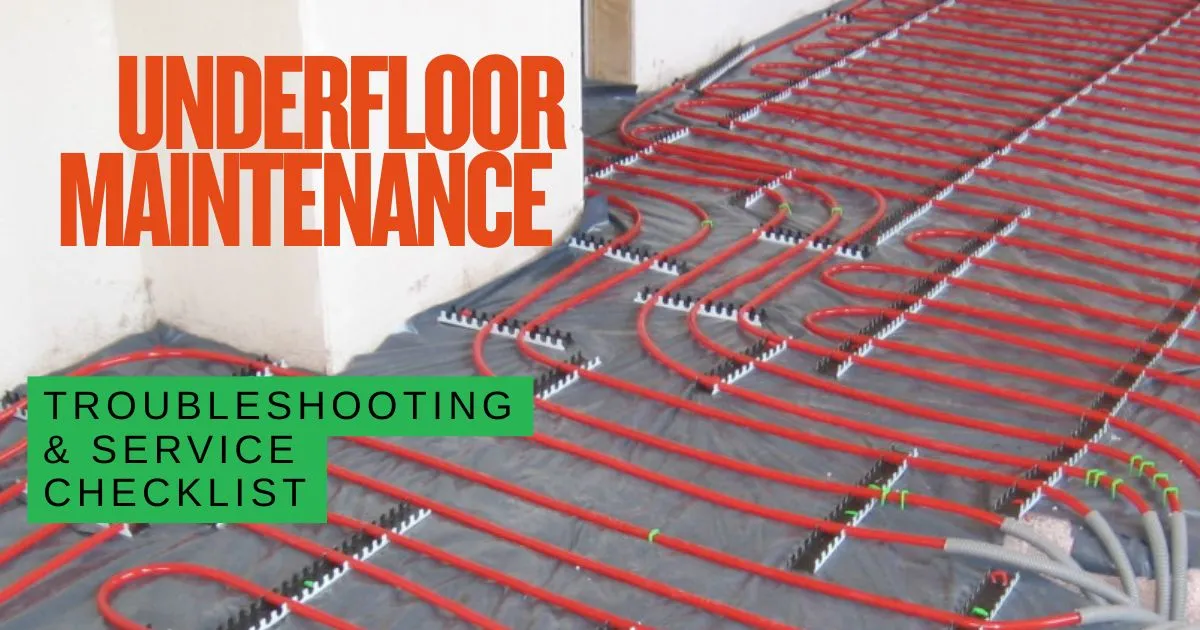
Your Complete Annual Maintenance Checklist for Underfloor Heating
A well-maintained underfloor heating system can last 50+ years for wet systems and 20-30+ years for electric systems. But this longevity doesn't happen by accident. Regular, proactive maintenance prevents costly breakdowns, maintains peak efficiency, and protects your investment. Explore more practical advice at underfloorheating.info and find qualified professionals through the Underfloor Heating Directory.
This comprehensive checklist provides a practical, seasonal maintenance schedule for both electric and water-based underfloor heating systems in UK homes.

New to underfloor heating? Start with our Beginner's Guide to Underfloor Heating to understand system basics first.
Need professional maintenance? Find qualified underfloor heating engineers who can service your system via the Underfloor Heating Directory.
Why Annual Maintenance Matters
Regular maintenance isn't just about fixing problems when they occur; it's about preventing them entirely.
The benefits of preventive maintenance:
- Prevents costly breakdowns: Early detection stops minor issues becoming major failures
- Maintains efficiency: A well-serviced system runs at peak performance, reducing energy bills by up to 15%
- Extends system lifespan: Properly maintained systems outlast neglected ones by decades
- Preserves warranty: Most manufacturers require proof of annual servicing
- Saves money: A £150 annual service costs far less than a £1,000+ emergency repair
- Maintains property value: Well-maintained heating systems add to resale value
For detailed cost information including maintenance expenses and ROI calculations, see our Underfloor Heating Costs Guide.
Monthly Quick Checks (5 Minutes)
These simple monthly checks take just five minutes but catch most common issues before they become problems.
For All Systems
Thermostat Function Check:
- ☐ Test thermostat response (adjust temperature up, confirm heating activates)
- ☐ Check display clarity and accuracy
- ☐ Verify room temperature reading seems accurate
- ☐ Confirm heating schedules are correct for current season
- ☐ Test heating turns off when target temperature reached
Battery Check (Wireless Thermostats):
- ☐ Check battery level indicator
- ☐ Replace batteries if low (typically once yearly)
- ☐ Keep spare batteries on hand
For Wet Systems Only
Pressure Gauge Check:
- ☐ Check pressure gauge when system is cold
- ☐ Confirm reading is in green zone (typically 1.0-1.5 bar)
- ☐ Top up if pressure has dropped below 1.0 bar
- ☐ Note any frequent pressure loss (indicates potential leak)
Visual Manifold Inspection:
- ☐ Check for drips or moisture around manifold connections
- ☐ Look for corrosion or water stains
- ☐ Ensure area around manifold is clear and accessible
- ☐ Check actuators have power indicator lights on (when calling for heat)
Check out our Underfloor Heating Manifold Guide
Listen for Unusual Sounds:
- ☐ System should operate silently or with gentle water flow sound
- ☐ Note any gurgling (indicates air in system)
- ☐ Note any banging or clicking (indicates actuator or valve issues)
Quarterly Seasonal Checks
Perform these more detailed checks at the start of each season to prepare your system for changing demands.
Spring (March-April)
End of Heating Season Maintenance:
- ☐ Review winter energy consumption and compare to previous years
- ☐ Note any cold spots or uneven heating that developed
- ☐ Clean dust from thermostats and sensor areas
- ☐ Consider reducing heating schedules as weather warms
- ☐ Schedule annual professional service (wet systems)
Summer (June-July)
Off-Season Care:
- ☐ Test system briefly to ensure it still functions
- ☐ Check system pressure hasn't dropped (wet systems)
- ☐ Clean or replace air filters on heat source (boilers/heat pumps)
- ☐ Review and update heating schedules for next season
- ☐ Inspect accessible pipework for any visible issues
Autumn (September-October)
Pre-Heating Season Preparation:
This is the most important quarterly check. See detailed checklist below in "Pre-Heating Season Preparation" section.
Winter (December-January)
Peak Season Monitoring:
- ☐ Monitor energy consumption and system performance
- ☐ Check all zones heating evenly and adequately
- ☐ Verify no cold spots have developed
- ☐ Ensure thermostats accurately reflect room temperatures
- ☐ Top up system pressure if needed (wet systems)
Annual Professional Service
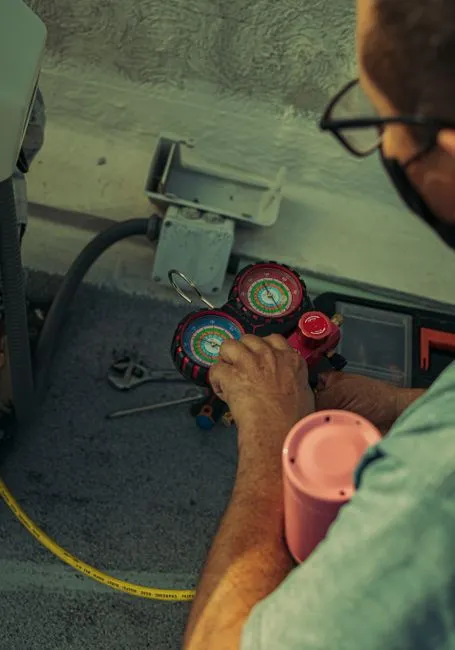
Professional servicing is essential for wet systems and recommended every 2-3 years for electric systems.
What to Expect from a Professional Service
For Wet (Hydronic) Systems (Annual):
A qualified heating engineer should perform these comprehensive checks:
System Water Quality:
- Water sample analysis for correct inhibitor concentration
- pH level testing to prevent corrosion
- System flush if water is dirty or contaminated
- Refill with correctly treated water
Component Inspection:
- Circulation pump operation and speed settings
- All manifold actuators open and close correctly
- Blending valve function and temperature mixing
- Flow meters showing correct rates for each zone
- Expansion vessel pre-charge pressure
- All isolation valves operating smoothly
System Testing:
- Pressure test to check for leaks
- Temperature differential between flow and return
- Even heat distribution across all zones
- Thermostat calibration and response times
Safety Checks:
- Pressure relief valve operation
- All electrical connections secure
- No signs of leaks, corrosion, or wear
- System pressure correct when hot and cold
Documentation:
- Service record updated
- Any issues noted for future monitoring
- Recommendations for repairs or upgrades
Typical Cost: £120-£200 for annual service
For comprehensive troubleshooting guidance when issues arise, see our Underfloor Heating Problems & Troubleshooting Guide.
For Electric Systems (Every 2-3 Years):
A qualified electrician should perform:
Electrical Safety Tests:
- RCD (Residual Current Device) trip test
- Insulation resistance test (should read >200 MΩ)
- Continuity check of heating elements
- Earth bonding verification
- Connection tightness check
Thermostat Testing:
- Accurate temperature sensing
- Correct heating activation/deactivation
- Floor sensor probe resistance measurement
- All modes and settings functioning
System Performance:
- Even heat distribution verification
- Warm-up time assessment
- No signs of cable damage or overheating
Typical Cost: £80-£150 for electrical testing and inspection
Electric System-Specific Annual Checklist
Electric underfloor heating is largely "fit and forget," but these annual checks ensure continued safe operation.
DIY Annual Checks for Electric UFH
Not sure which tasks you can tackle yourself? See our DIY Underfloor Heating guide for a full breakdown of what's safe to do yourself and what needs a professional. For the original fitting process, use our underfloor heating installation guide.
Thermostat Performance:
- ☐ Test all heating modes (comfort, economy, manual)
- ☐ Verify floor sensor reading seems accurate
- ☐ Check floor temperature limit setting (should be 27-35°C)
- ☐ Confirm heating cycles correctly (turns on/off at set points)
- ☐ Test manual override function
Heat Distribution:
- ☐ Check for any cold spots in heated area
- ☐ Verify even heat across entire floor
- ☐ Ensure no areas feel excessively hot
- ☐ Check heat-up time hasn't increased
Safety Checks:
- ☐ Verify RCD trips correctly (press test button on consumer unit)
- ☐ Check no circuit breaker trips when system operates
- ☐ Inspect fused spur for any scorching or damage
- ☐ Ensure no burning smell during operation
Floor Covering:
- ☐ Check no new heavy furniture placed over heated area
- ☐ Verify rugs/mats aren't causing hot spots at sensor
- ☐ Inspect floor covering for any heat damage
Professional Electrical Testing (Every 2-3 Years)
Book a qualified electrician to perform:
- ☐ Insulation resistance test (megger test)
- ☐ RCD operation verification
- ☐ Heating element continuity check
- ☐ Floor sensor resistance measurement
- ☐ Connection inspection and tightness check
For more details on electric systems, see our Complete Electric Underfloor Heating Guide.
Wet System-Specific Annual Checklist
Water-based systems have more components requiring regular attention, particularly before each heating season.
DIY Annual Checks for Wet UFH
System Pressure Management:
- ☐ Check pressure when cold (should be 1.0-1.5 bar)
- ☐ Check pressure when hot (should be 1.5-2.0 bar)
- ☐ Top up if required using filling loop
- ☐ Check expansion vessel pre-charge pressure
- ☐ Note frequency of pressure loss (indicates leak if frequent)
Manifold Inspection:
- ☐ Check all actuators moving freely
- ☐ Test each actuator opens when thermostat calls for heat
- ☐ Check visual indicators on actuators
- ☐ Inspect all connections for leaks or weeping
- ☐ Verify flow meters showing movement on active zones
- ☐ Check blending valve operation
- ☐ Ensure isolation valves in correct positions
Check out our Underfloor Heating Manifold Guide
System Bleeding:
- ☐ Bleed each zone to remove trapped air
- ☐ Check for airlocks causing cold spots
- ☐ Re-pressurise system after bleeding
- ☐ Run each zone individually to verify water flow
Circulation Pump:
- ☐ Listen for pump operation (low hum when system on)
- ☐ Feel pump body for slight vibration
- ☐ Check pump speed setting appropriate for system
- ☐ Verify no unusual noise or excessive heat
Heat Source Check:
- ☐ Boiler/heat pump operating correctly
- ☐ Flow temperature appropriate (typically 35-50°C for UFH)
- ☐ No error codes displayed
- ☐ System fires when UFH calls for heat
For complete wet system information, see our Ultimate Guide to Wet Underfloor Heating.
Pre-Heating Season Preparation (September/October)
This is the most critical maintenance period. Perform these checks before the heating season begins to avoid mid-winter breakdowns.
Complete Pre-Season Checklist
4-6 Weeks Before Heating Season:
System Testing:
- ☐ Turn system on and test all zones heat correctly
- ☐ Run each zone for minimum 30 minutes
- ☐ Check all zones reach target temperature
- ☐ Verify no cold spots or uneven heating
- ☐ Test heating turns off when temperature reached
Thermostat Preparation:
- ☐ Update heating schedules for autumn/winter
- ☐ Replace thermostat batteries (wireless models)
- ☐ Calibrate thermostats if readings seem inaccurate
- ☐ Test all zones' thermostats individually
- ☐ Verify smart thermostat Wi-Fi connection
- ☐ Update thermostat firmware if available
Wet System Specific:
- ☐ Check and adjust system pressure
- ☐ Bleed all zones to remove summer air accumulation
- ☐ Test all manifold actuators open and close
- ☐ Check circulation pump operates correctly
- ☐ Verify blending valve set to correct temperature
- ☐ Inspect for any leaks that developed over summer
- ☐ Book annual professional service if not already done
Electric System Specific:
- ☐ Test RCD operation
- ☐ Check fused spur and connections
- ☐ Verify floor sensor functioning
- ☐ Test system doesn't trip circuit breaker
Heat Source Preparation:
- ☐ Boiler annual service completed
- ☐ Heat pump serviced and refrigerant checked
- ☐ System pressure correct
- ☐ No error codes or faults
Control System:
- ☐ Update zoning schedules
- ☐ Review and optimise heating times
- ☐ Set appropriate temperatures (18-21°C typical)
- ☐ Configure setback temperatures for economy
For guidance on optimising your heating zones, see our Underfloor Heating Zoning Guide.
Record Keeping & Maintenance Log
Keeping accurate records helps track system performance and assists professionals when servicing.
What to Record
Create a simple maintenance log with these details:
Monthly Records:
- Date of check
- System pressure reading (wet systems)
- Any unusual observations
- Thermostat battery replacements
Annual Service Records:
- Date of service
- Engineer's name and company
- Work performed
- Parts replaced
- Issues found and resolved
- Inhibitor concentration (wet systems)
- Test results (insulation resistance for electric)
- Cost of service
- Next service due date
System Events:
- Any breakdowns or faults
- Repairs carried out
- Parts replaced with dates
- Warranty claims
- Modifications or upgrades
Energy Monitoring:
- Monthly energy consumption
- Year-on-year comparison
- Any significant changes requiring investigation
Sample Maintenance Log Template
Annual UFH Maintenance Log - [Your Address]

System Type: [Electric / Wet / Both]
Installation Date: [Date]
Installer: [Company Name]

--- Monthly Checks ---
Date: ___ / ___ / _____
System Pressure: ___ bar (wet only)
Thermostat Function: OK / Issues
Batteries Replaced: Yes / No
Unusual Sounds: None / [Describe]
Notes: ___________________

--- Annual Service ---
Date: ___ / ___ / _____
Service Engineer: ___________________
Company: ___________________
Work Performed: ___________________
Issues Found: ___________________
Parts Replaced: ___________________
Cost: £ _____
Next Service Due: ___ / ___ / _____
When to Call a Professional
Some maintenance tasks require professional expertise. Know when to call for help.
For detailed guidance on finding qualified professionals, cost expectations, and what to expect from professional visits, see our Complete Guide: When to Call a Professional for UFH Repairs.
Immediate Professional Callout Required
Contact a heating engineer or electrician immediately if you notice:
Wet Systems:
- ☐ Persistent pressure drops requiring frequent top-ups
- ☐ Damp patches on floors or walls near UFH
- ☐ Complete system failure despite correct pressure
- ☐ Multiple zones not heating
- ☐ Loud banging, grinding, or continuous gurgling noises
- ☐ Pump running but no heat to any zone
- ☐ Visible leaks at manifold or connections
- ☐ Boiler lockout errors related to UFH
Electric Systems:
- ☐ RCD or circuit breaker trips repeatedly
- ☐ Burning smell from any component
- ☐ No heat despite thermostat calling for heat
- ☐ Extremely hot spots on floor surface
- ☐ Persistent error codes on thermostat
- ☐ Scorching visible on fused spur
Both Systems:
- ☐ Any smell of burning
- ☐ Electrical sparking or burning at any connection
- ☐ Complete system failure with no obvious cause
- ☐ Suspected damage to in-floor components
Non-Urgent Professional Service Needed
Schedule a professional visit within 1-2 weeks for:
- ☐ Single zone not heating (after checking thermostat/batteries)
- ☐ Minor pressure loss requiring top-up every few months
- ☐ Intermittent heating in some zones
- ☐ Slightly uneven heating across large areas
- ☐ Suspected airlock that won't bleed
- ☐ Actuator not responding to thermostat
- ☐ Noisy pump or unusual vibration
- ☐ Pre-season service and testing
For detailed troubleshooting before calling a professional, consult our UFH Problems & Solutions Guide.
Seasonal Maintenance Calendar at a Glance
Use this quick reference to plan your maintenance throughout the year.
| Month | Maintenance Tasks |
|---|---|
| January | Monthly checks, monitor peak season performance |
| February | Monthly checks, note any issues for spring service |
| March | Monthly checks, review winter energy use |
| April | Quarterly check, reduce heating schedules |
| May | Monthly checks, minimal heating required |
| June | Quarterly check, summer maintenance |
| July | Test system briefly, check pressure |
| August | Monthly checks, prepare for pre-season service |
| September | Critical: Full pre-heating season checklist |
| October | Annual professional service (wet systems) |
| November | Monthly checks, verify all zones heating correctly |
| December | Quarterly check, monitor peak performance |
Maintenance Costs: What to Budget
Understanding typical costs helps you budget for proper system care.
Annual Maintenance Costs (2026 UK Prices)
Wet Systems:
- DIY monthly/quarterly checks: £0 (your time only)
- Annual professional service: £120-£200
- Inhibitor replacement: £40-£80 (every 3-5 years)
- Actuator replacement: £30-£60 per unit if needed
- Pump replacement: £150-£300 (typically 10-20 year lifespan)
Electric Systems:
- DIY checks: £0 (your time only)
- Professional electrical testing: £80-£150 (every 2-3 years)
- Thermostat replacement: £80-£250 (typically 10-15 year lifespan)
- Floor sensor replacement: £50-£120 if needed
Budgeting Recommendation:
- Wet systems: Budget £150-£250 annually
- Electric systems: Budget £30-£60 annually
This is far less than emergency repair costs, which typically start at £200 call-out + parts and can exceed £1,000 for major failures.
For complete cost breakdowns, see our Ultimate UFH Costs Guide.
Common Maintenance Mistakes to Avoid
Avoid these frequent errors that can damage your system or void warranties.
Top Mistakes
1. Skipping Annual Service on Wet Systems
- Consequence: Sludge build-up, efficiency loss, component failure
- Prevention: Book service every September/October
2. Ignoring Pressure Drops
- Consequence: Undetected leaks cause major damage
- Prevention: Top up immediately, investigate if frequent
3. Wrong Inhibitor Concentration
- Consequence: Corrosion damages pipes, manifold, heat exchanger
- Prevention: Professional testing during annual service
4. Leaving Filling Loop Connected
- Consequence: Continuous pressure rise, safety valve discharge
- Prevention: Always disconnect after use
5. Not Bleeding System Before Winter
- Consequence: Cold spots, inefficient heating, high bills
- Prevention: Bleed all zones each September
6. Neglecting Thermostat Batteries
- Consequence: System shutdown in mid-winter
- Prevention: Replace annually in autumn
7. DIY Repairs on Electric Cables
- Consequence: Electric shock, fire risk, voided warranty
- Prevention: Always use qualified electrician
8. Ignoring Error Codes
- Consequence: Minor issues become major failures
- Prevention: Investigate all error codes promptly
9. Not Testing System Before Winter
- Consequence: Breakdowns in coldest weather when engineers busiest
- Prevention: Full test in September
10. Poor Record Keeping
- Consequence: Warranty claims denied, difficult to diagnose recurring issues
- Prevention: Maintain detailed maintenance log
Maximising System Efficiency
Proper maintenance includes optimising system settings for efficiency.
Efficiency Optimisation Checklist
Temperature Settings:
- ☐ Set flow temperature to 40-45°C (wet systems with heat pump)
- ☐ Use 18-20°C room temperature (not 22-24°C)
- ☐ Enable night setback to 16-17°C
- ☐ Adjust temperature by season (lower in autumn/spring)
Scheduling:
- ☐ Use zone-based scheduling (heat occupied rooms only)
- ☐ Implement warm-up period (1-2 hours before occupancy)
- ☐ Avoid complete on/off cycles (maintain low background temperature)
- ☐ Update schedules when routines change
Smart Features:
- ☐ Enable weather compensation if available
- ☐ Use geofencing for automatic adjustment
- ☐ Set holiday mode when away
- ☐ Enable adaptive start for optimal timing
System Setup:
- ☐ Verify correct pipe spacing / cable spacing for room
- ☐ Ensure adequate insulation under system
- ☐ Check floor covering TOG rating <2.5
- ☐ Remove unnecessary rugs over heated areas
For advanced control options, see our Smart Thermostats for UFH Guide.
UFH with Heat Pumps: Special Considerations
Heat pump systems require specific maintenance attention for optimal performance.
Additional Heat Pump UFH Checks
Monthly:
- ☐ Check heat pump display for error codes
- ☐ Verify flow temperature (should be 35-45°C)
- ☐ Monitor COP (Coefficient of Performance) if available
- ☐ Check defrost cycles operating normally (winter)
Annually:
- ☐ Professional heat pump service
- ☐ Refrigerant levels checked
- ☐ Heat exchanger cleaned
- ☐ Condensate drain cleared
- ☐ Flow and return temperatures optimised
- ☐ Buffer tank inspected (if fitted)
System Optimisation:
- ☐ Flow temperature set to lowest that maintains comfort
- ☐ Weather compensation enabled and calibrated
- ☐ System runs longer at lower temperature (more efficient)
- ☐ Avoid rapid cycling (system should run continuously)
For complete guidance, see our Underfloor Heating & Heat Pumps Ultimate Guide.
A well-maintained underfloor heating system is one of the most reliable, efficient, and comfortable heating solutions available. The key to achieving decades of trouble-free operation is simple: consistent, preventive maintenance.
Key Takeaways:
- Monthly checks take 5 minutes but catch most issues early
- Pre-heating season preparation (September/October) is critical
- Annual professional service for wet systems is essential, not optional
- Record keeping helps track performance and assists with warranty claims
- Preventive maintenance costs 10-15% of emergency repair costs
Your Action Plan:
- ☐ Print or bookmark this checklist for easy reference
- ☐ Add monthly checks to your calendar
- ☐ Book annual professional service now for September/October
- ☐ Create a maintenance log to track all work
- ☐ Budget £150-£250 annually for wet systems, £30-£60 for electric
By following this comprehensive maintenance schedule, you'll ensure your underfloor heating system delivers consistent comfort, maintains peak efficiency, and provides decades of reliable service.
Further Reading:
- UFH Maintenance Guide: Detailed Technical Information
- Troubleshooting Common UFH Problems
- Complete UFH Costs & ROI Analysis
- Beginner's Guide to Underfloor Heating
Remember: A small investment in preventive maintenance protects your much larger investment in underfloor heating, ensuring comfort, efficiency, and value for decades to come.
Ready to schedule your annual service? Browse trusted professionals on the Underfloor Heating Directory and ensure your system stays in peak condition.
One useful email,
once a month.
New guides as they go live. Real cost data, not press releases. The occasional rumour from the industry that's actually worth knowing.
No sales pitches. No jargon. Unsubscribe in one click.