When to Call a Professional for Underfloor Heating Repairs
Knowing when to tackle underfloor heating issues yourself and when to call a professional can save you time and money while preventing serious damage to your system. This guide focuses on that decision rather than step-by-step troubleshooting or routine servicing, so you know exactly when to stop DIYing and pick up the phone. Read more repair guidance at underfloorheating.info and find qualified professionals through the Underfloor Heating Directory.
While underfloor heating systems are remarkably reliable, occasional issues require expert diagnosis and repair. Understanding the difference between a simple DIY fix and a job requiring professional expertise is crucial for system longevity and safety.
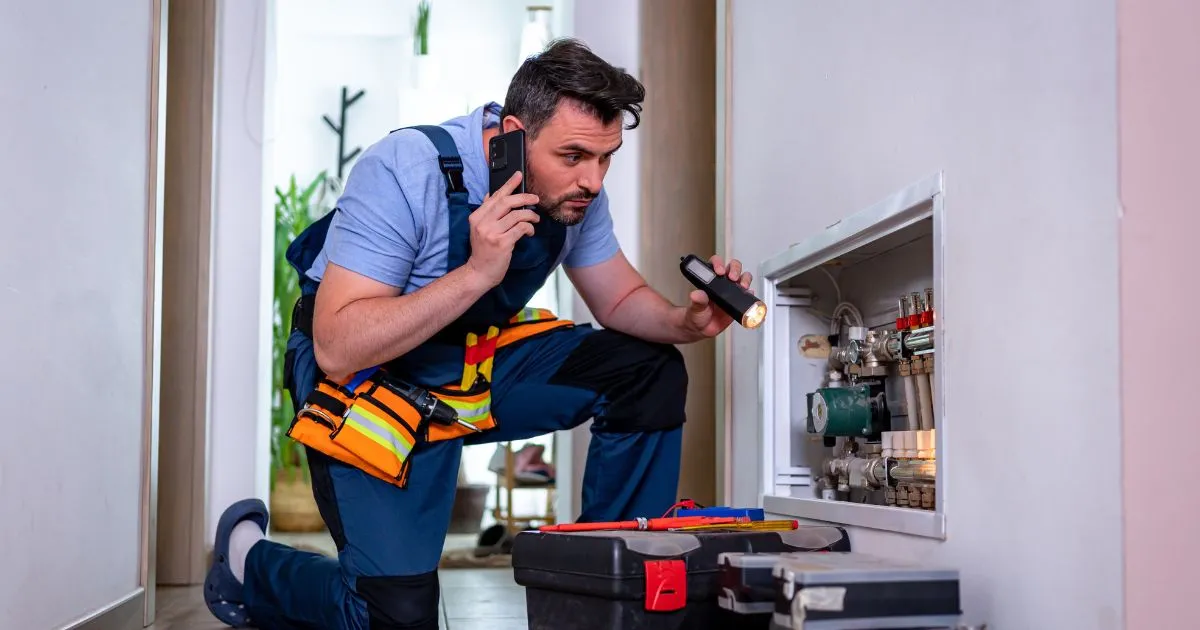
Already know it's broken and want the fix steps? Start with our Complete Underfloor Heating Problems & Troubleshooting Guide instead. Due your annual check-up rather than a fault? See the Annual Maintenance Checklist. This guide picks up once you've decided a professional is needed, covering who to call, what it costs, and how to vet them.
If you are not sure what credentials to ask for, read our guide to underfloor heating installer qualifications in the UK before booking a visit.
Quick Decision Matrix: DIY vs Professional
Use this quick reference to determine whether you can handle the issue yourself or need professional help.
✅ Safe for DIY (After Reading Guides)
All Systems:
- Adjusting thermostat settings
- Replacing thermostat batteries
- Resetting system after power outage
- Checking and resetting tripped circuit breakers
- Basic cleaning around manifold area
- Updating heating schedules
Wet Systems:
- Topping up system pressure using filling loop
- Basic visual inspection of manifold
- Checking isolation valve positions
- Monitoring pressure gauge readings
- Bleeding a single zone (if confident and following guide)
Electric Systems:
- Removing thermal blocks (rugs, furniture) from heated areas
- Checking fused spur is switched on
- Basic thermostat troubleshooting
⚠️ Call a Professional
Electric Systems (Qualified Electrician Required):
- Any electrical testing or wiring work
- RCD/circuit breaker repeatedly trips
- No heat despite troubleshooting
- Burning smell from any component
- Floor sensor replacement
- Heating cable repairs or testing
- Thermostat installation or replacement
- Error codes that persist after basic troubleshooting
Wet Systems (Qualified Heating Engineer Required):
- Persistent pressure drops suggesting leaks
- Damp patches on floors or walls
- Multiple zones not heating
- Pump replacement or repair
- Manifold actuator replacement
- Blending valve repairs
- System flushing or water quality issues
- Boiler integration problems
- Expansion vessel replacement
- Any suspected leaks in pipework
Both Systems (Immediate Professional Required):
- Any smell of burning
- Visible sparking or electrical arcing
- Active water leaks
- Complete system failure with no obvious cause
- Suspected damage to in-floor components
- Carbon monoxide alarm activation (if gas boiler involved)
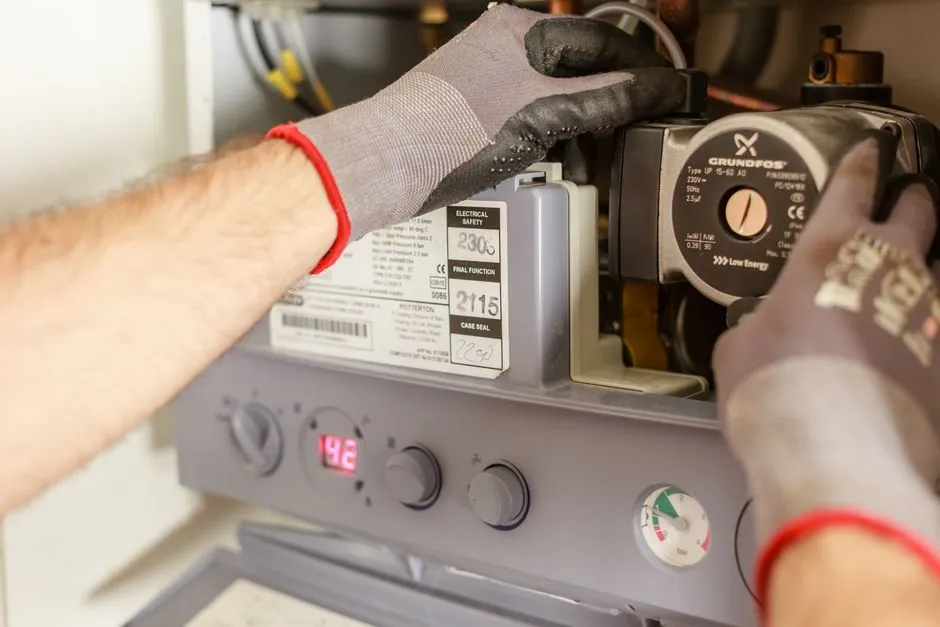
Emergency Situations: Call Immediately
Some situations require immediate professional attention to prevent property damage, safety hazards, or system destruction.
Critical Emergency Situations
Call a Professional Within Hours:
1. Active Water Leaks (Wet Systems)
- Symptoms: Visible water pooling, damp patches spreading, dripping from manifold
- Why critical: Can cause extensive structural damage, mould growth, floor covering damage
- Who to call: Emergency heating engineer or plumber
- Immediate action: Turn off system, isolate affected area, place towels/containers
- Typical cost: £150-£300 call-out + repair costs
2. Repeated RCD Trips (Electric Systems)
- Symptoms: RCD trips immediately when UFH switched on, or trips intermittently
- Why critical: Indicates current leaking to earth through damaged cable insulation
- Who to call: Qualified electrician immediately
- Immediate action: Do not reset repeatedly, keep system switched off
- Typical cost: £100-£200 call-out + diagnostic testing + repair
- Danger: Electric shock risk, fire risk if ignored
3. Burning Smell from Electrical Components
- Symptoms: Distinct electrical burning smell from thermostat, fused spur, or wiring
- Why critical: Indicates overheating components, fire risk
- Who to call: Qualified electrician immediately
- Immediate action: Switch off at consumer unit, do not use system
- Typical cost: £100-£250 emergency call-out + component replacement
4. Complete System Failure (All Zones)
- Symptoms: No zones heating, boiler won't fire for UFH, pump not running
- Why critical: In winter, can lead to frozen pipes and property damage
- Who to call: Heating engineer (wet systems) or electrician (electric systems)
- Immediate action: Check basic power supply, note any error codes
- Typical cost: £120-£250 call-out + repairs
5. Pressure Drop to Zero (Wet Systems)
- Symptoms: Pressure gauge reads zero or near-zero despite top-ups
- Why critical: Indicates major leak, system cannot operate
- Who to call: Emergency heating engineer
- Immediate action: Do not repeatedly top up, check for obvious leak locations
- Typical cost: £150-£300 emergency call-out + leak detection + repair
6. Excessively Hot Floor Surface
- Symptoms: Floor surface too hot to touch comfortably (>40°C)
- Why critical: Floor covering damage, potential cable damage (electric), scalding risk
- Who to call: Heating engineer (wet) or electrician (electric)
- Immediate action: Turn system off immediately, check thermostat settings
- Typical cost: £100-£200 diagnostic visit
Emergency Contact Checklist
When calling for emergency service, have this information ready:
- ☐ System type (electric or wet/hydronic)
- ☐ Exact symptoms and when they started
- ☐ Any error codes displayed
- ☐ Whether system is currently switched off
- ☐ Installation date and installer details (if known)
- ☐ Warranty information
- ☐ Photos of issue (leaks, error displays, etc.)
- ☐ Make and model of key components (thermostat, boiler, manifold)
Scheduled Professional Service: When to Book
Not all professional visits are emergencies. Regular scheduled maintenance prevents issues and extends system life.
Annual Service Requirements
Wet (Hydronic) Systems:
Professional service is essential annually, ideally in September/October before heating season.
What's included in annual service:
- System pressure check and adjustment
- Water quality testing and inhibitor top-up
- Manifold actuator testing
- Blending valve inspection
- Pump operation verification
- Flow rate adjustment
- Comprehensive leak inspection
- Expansion vessel pressure check
- Thermostat calibration
- Full system performance test
Cost: £120-£200 per visit Duration: 1-2 hours Frequency: Annually (mandatory for warranty) Professional: Gas Safe registered heating engineer
Book service if:
- ☐ 12 months since last professional service
- ☐ Before start of heating season (September/October)
- ☐ Manufacturer warranty requires annual servicing
- ☐ System performance has degraded
- ☐ Preparing property for sale
For detailed maintenance schedules, see our Annual Underfloor Heating Maintenance Checklist.
Electric Systems:
Professional service is recommended every 2-3 years unless problems develop.
What's included in electrical service:
- Insulation resistance testing (megger test)
- RCD operation verification
- Heating element continuity check
- Floor sensor resistance measurement
- Connection inspection and tightness
- Thermostat calibration
- Heat distribution assessment
Cost: £80-£150 per visit Duration: 45-90 minutes Frequency: Every 2-3 years (or as needed) Professional: Qualified electrician (Part P certified)
Book service if:
- ☐ 2-3 years since installation or last check
- ☐ Intermittent heating issues
- ☐ Uneven heat distribution developing
- ☐ Higher energy bills without obvious cause
- ☐ Thermostat showing occasional error codes
- ☐ System older than 10 years
System-Specific Professional Requirements
Different system types require different specialists. Understanding who to call is crucial.
Electric Underfloor Heating: Qualified Electrician
Required Qualifications:
- Level 3 Electrical Installation qualification
- Part P Building Regulations certification
- 18th Edition Wiring Regulations
- Relevant insurance and public liability cover
- Preferably: Manufacturer-specific training
When to Call Electrician:
- Any work involving electrical connections
- Testing heating cable insulation
- Diagnosing RCD trips
- Thermostat installation or replacement
- Floor sensor replacement
- Error code diagnosis requiring electrical testing
- Annual electrical safety checks
What They'll Do:
- Visual inspection of all electrical components
- Insulation resistance testing with megohmmeter
- Continuity testing of heating elements
- RCD operation verification
- Thermostat calibration and testing
- Connection tightness inspection
- Safety certification if required
Typical Costs:
- Diagnostic visit: £80-£120
- Annual electrical testing: £80-£150
- Thermostat replacement: £150-£350 (inc. labour + part)
- Floor sensor replacement: £100-£200 (inc. labour + part)
- Cable repair (if possible): £200-£400
- Full system replacement: £60-£85 per m² (last resort)
For complete electric system information, see our Electric Underfloor Heating Guide.
Wet Underfloor Heating: Heating Engineer
Required Qualifications:
- Gas Safe registered (if working on gas boiler)
- OFTEC registered (if working on oil boiler)
- Level 3 Plumbing and Heating qualification
- Unvented hot water systems certification (if applicable)
- Relevant insurance and public liability cover
- Preferably: Underfloor heating manufacturer training
When to Call Heating Engineer:
- Annual service and maintenance
- Pressure issues and leak detection
- Pump replacement or repairs
- Manifold component replacement (actuators, valves)
- System balancing and flow rate adjustment
- Water quality testing and system flushing
- Integration with boiler or heat pump
- Zone control issues
- Expansion vessel replacement
What They'll Do:
- System pressure testing
- Water quality analysis
- Manifold component inspection and testing
- Pump operation and speed verification
- Blending valve calibration
- Flow rate measurement and adjustment
- Leak detection using pressure testing
- Inhibitor dosing
- System balancing across all zones
Typical Costs:
- Annual service: £120-£200
- Diagnostic visit: £80-£150
- Actuator replacement: £80-£150 per actuator
- Pump replacement: £200-£400 (inc. labour + part)
- System flush: £300-£600 (depending on size)
- Leak detection: £150-£300 (basic) or £300-£800 (specialist equipment)
- Manifold repairs: £150-£400 depending on components
- Expansion vessel replacement: £150-£300
For complete wet system details, see our Wet Underfloor Heating Ultimate Guide.
Specialist UFH Companies
For complex issues or older systems, specialist underfloor heating companies offer expertise beyond standard electricians or heating engineers.
When to Use Specialist:
- Complete system redesign or upgrade
- Multiple simultaneous failures across zones
- Integration with complex heat pump systems
- Thermal imaging leak detection
- Historic or unusual system types
- Manufacturer-specific repairs requiring specialist tools
- System not performing despite professional attention
- Converting system type (electric to wet, or vice versa)
Additional Services Offered:
- Thermal imaging cameras for leak detection
- Time Domain Reflectometry (TDR) for cable damage location
- Flow and return temperature optimisation
- Advanced system commissioning
- Heat loss calculations and system sizing verification
- Manufacturer warranty repairs
- System upgrades and modernisation
Typical Costs:
- Specialist diagnostic: £150-£300
- Thermal imaging survey: £200-£500
- TDR cable fault finding: £250-£600
- Full system commissioning: £300-£800
- Hourly rate: £60-£100 per hour
Finding Qualified Professionals in the UK
Finding a trustworthy, qualified professional is crucial for safe, effective repairs. Ready to get expert help? Find qualified UFH repair professionals via the Underfloor Heating Directory.
Verification Checklist
Before hiring any professional, verify these credentials:
For Electricians:
- ☐ NICEIC, ELECSA, or NAPIT registered
- ☐ Part P Building Regulations certification
- ☐ Public liability insurance (minimum £2 million)
- ☐ Electrical Installation Certificate provided after work
- ☐ References from previous UFH work
For Heating Engineers:
- ☐ Gas Safe registered (mandatory for gas work)
- ☐ OFTEC registered (for oil boiler work)
- ☐ Public liability insurance (minimum £2 million)
- ☐ References and reviews available
- ☐ Membership in professional body (CIPHE, APHC)
For All Professionals:
- ☐ Established business with physical address
- ☐ Clear written quotation before work starts
- ☐ Warranty on work performed (typically 12 months)
- ☐ Manufacturer-specific training (if relevant)
- ☐ VAT registered (for larger companies)
Where to Find Qualified Professionals
Official Registration Schemes:
-
Gas Safe Register (https://www.gassaferegister.co.uk)
- Mandatory for any gas boiler work
- Search by postcode for registered engineers
- Verify registration card before work starts
-
NICEIC (https://niceic.com)
- Leading electrician registration body
- Contractor search by postcode
- Regular competency assessments
-
ELECSA/NAPIT (https://niceic.com/ / https://www.napit.org.uk)
- Alternative electrician registration schemes
- Same standards as NICEIC
- Find local qualified electricians
Manufacturer Recommendations:
- UFH Manufacturer Approved Installers
- Warmup: Approved installer network
- Nu-Heat: Trained installer database
- Wunda Group: Accredited installers
- ProWarm: Approved installer list
Local Directories and Reviews:
-
Underfloor Heating Directory (https://underfloorheating.directory)
- Verified reviews from real customers
- Check ratings and detailed feedback
- Request quotes from multiple tradespeople
-
TrustATrader (https://www.trustatrader.com)
- Government-endorsed scheme
- Verified credentials and insurance
- Customer reviews and ratings
-
Which? Trusted Traders (https://trustedtraders.which.co.uk/)
- Vetted by Which? consumer group
- High standards required
- Comprehensive background checks
Questions to Ask Before Hiring
Essential Questions:
-
"Are you qualified and registered for this type of work?"
- Request registration number and verify online
- Check certification is current
-
"Do you have experience with my system type?"
- Ask for examples of similar jobs
- Check they understand your specific system (electric mat vs wet pipe)
-
"Can you provide a written quotation?"
- Should itemise labour and materials
- Include estimated time to complete
- Specify any exclusions
-
"What warranty do you offer on your work?"
- Typically 12 months on labour
- Parts may have separate manufacturer warranty
- Get warranty terms in writing
-
"Do you carry public liability insurance?"
- Minimum £2 million coverage
- Request proof if hiring for major work
-
"Can you provide references from recent UFH work?"
- Request 2-3 contactable references
- Check reviews on independent platforms
-
"Will you provide certification after the work?"
- Electrical Installation Certificate (electric systems)
- Gas Safety Certificate (if boiler work)
- Benchmark commissioning certificate (boiler/heat pump)
-
"What are your call-out charges and hourly rates?"
- Clarify day rate vs emergency rate
- Understand minimum charge policies
- Get breakdown of diagnostic vs repair costs
Cost Expectations: 2026 UK Prices
Understanding typical costs helps you budget and identify unreasonable quotes.
Diagnostic and Call-Out Costs
Standard Call-Out (Weekday, Daytime):
- Heating engineer: £80-£150 (first hour)
- Electrician: £80-£120 (first hour)
- Specialist UFH company: £100-£200 (first hour)
Emergency Call-Out (Evenings, Weekends):
- Heating engineer: £150-£300 (first hour)
- Electrician: £120-£200 (first hour)
- Typically 1.5-2x normal rate
Note: Many professionals deduct call-out fee if you proceed with repair.
Common Repair Costs
Electric System Repairs:
| Repair Type | Typical Cost | Duration |
|---|---|---|
| Thermostat replacement | £150-£350 | 1-2 hours |
| Floor sensor replacement | £100-£200 | 1-2 hours |
| Fused spur replacement | £60-£120 | 30-60 min |
| Electrical safety testing | £80-£150 | 45-90 min |
| Cable repair (if possible) | £200-£400 | 2-4 hours |
| Cable fault finding (TDR) | £250-£600 | 2-3 hours |
Wet System Repairs:
| Repair Type | Typical Cost | Duration |
|---|---|---|
| Annual service | £120-£200 | 1-2 hours |
| Actuator replacement | £80-£150 | 30-60 min per actuator |
| Pump replacement | £200-£400 | 2-3 hours |
| Blending valve replacement | £150-£300 | 1-2 hours |
| Expansion vessel replacement | £150-£300 | 1-2 hours |
| System flush | £300-£600 | Half day |
| Leak detection (basic) | £150-£300 | 2-3 hours |
| Leak detection (thermal imaging) | £300-£800 | Half day |
| Manifold replacement | £400-£800 | Half-full day |
Both Systems:
| Service Type | Typical Cost | Duration |
|---|---|---|
| Smart thermostat installation | £150-£300 | 1-2 hours |
| Zone expansion/addition | £200-£500 | 2-4 hours |
| Control system upgrade | £300-£800 | Half day |
| System commissioning | £200-£400 | Half day |
Money-Saving Tips
1. Bundle Work:
- Schedule annual service with other needed repairs
- Have multiple zones serviced simultaneously
- Combine UFH service with boiler service
2. Book in Advance:
- Non-emergency bookings are cheaper
- Pre-heating season (September) often has availability
- Avoid emergency call-outs by addressing issues early
3. Get Multiple Quotes:
- Request 2-3 quotes for non-emergency work
- Compare itemised quotations
- Don't automatically choose cheapest - check qualifications
4. Consider Service Plans:
- Some companies offer annual service contracts
- Often includes discounted call-outs
- Priority scheduling during busy periods
5. Maintain Regularly:
- DIY monthly checks prevent expensive failures
- Annual professional service avoids major repairs
- Preventive maintenance costs 10-15% of emergency repairs
For detailed cost breakdowns and ROI analysis, see our Complete Underfloor Heating Costs Guide.
What to Expect from a Professional Visit
Understanding the typical process helps you prepare and know what's normal.
Initial Diagnostic Visit
Typical Process:
1. Initial Discussion (10-15 minutes)
- Professional asks about symptoms
- Reviews when problem started
- Checks system history and age
- Reviews any DIY troubleshooting attempts
- Examines installation documentation if available
2. Visual Inspection (10-20 minutes)
- Thermostat examination
- Manifold inspection (wet systems)
- Wiring and connections check
- Physical condition of accessible components
- Check for obvious damage or wear
3. Testing and Diagnosis (20-45 minutes)
Electric Systems:
- Insulation resistance testing
- Continuity testing
- Floor sensor resistance measurement
- Thermostat function testing
- RCD operation verification
- Power supply verification
Wet Systems:
- Pressure testing
- Actuator operation testing
- Pump function check
- Flow rate measurement
- Temperature differential testing
- Water quality assessment (if applicable)
4. Diagnosis and Quotation (10-15 minutes)
- Explain findings in plain English
- Provide repair options
- Written quotation for work
- Estimated time to complete
- Parts ordering if needed
5. Immediate Repair or Scheduling
- Minor repairs may be completed same visit
- Major work scheduled for later date
- Parts ordered if not carried in van
- Emergency temporary fixes if needed
What Professionals Should Do
Good practices indicating a quality professional:
- ☐ Arrives on time or calls if delayed
- ☐ Wears identifiable uniform or carries ID
- ☐ Shows registration card without being asked
- ☐ Protects floors with dust sheets
- ☐ Explains what they're doing and why
- ☐ Takes photos of any issues found
- ☐ Provides clear written quotation
- ☐ Answers questions patiently
- ☐ Cleans up after work
- ☐ Provides certification where required
- ☐ Gives advice on preventing future issues
- ☐ Provides receipt and warranty documentation
What to Provide the Professional
Make the visit efficient by having ready:
System Documentation:
- ☐ Installation manual and commissioning sheet
- ☐ System layout plans (pipe/cable layout)
- ☐ Previous service records
- ☐ Warranty information
- ☐ Manufacturer contact details
- ☐ Photos of any visible issues
System Information:
- ☐ Age of system
- ☐ Original installer details
- ☐ System type and components
- ☐ Recent changes or modifications
- ☐ Maintenance history
Access:
- ☐ Clear access to manifold/wiring centre
- ☐ Access to consumer unit (fuse box)
- ☐ Access to boiler/heat pump
- ☐ Keys for any locked cupboards
- ☐ Parking availability if needed
Red Flags: When to Be Cautious
Protect yourself from unqualified or dishonest traders by recognising warning signs.
Serious Red Flags
Immediate Concerns - Consider Different Professional:
❌ Cannot show registration card or credentials
- All electricians should be Part P registered
- All gas engineers must be Gas Safe registered
- Legitimate professionals carry ID cards
❌ Unwilling to provide written quotation
- Professional quotes should be itemised
- Should include parts, labour, and timescales
- Verbal-only quotes lead to disputes
❌ Demands full payment upfront
- Standard practice is deposit (typically 10-30%)
- Full payment only after work completed and tested
- Be wary of cash-only demands
❌ Diagnosis without any testing
- Proper diagnosis requires testing equipment
- Instant diagnosis without testing is guesswork
- Professional should explain their testing process
❌ Recommends full replacement without proper diagnosis
- Complete system replacement is last resort
- Most issues can be repaired
- Should explain exactly what's failed and why
❌ Cannot provide references or insurance proof
- Established professionals have references
- Public liability insurance is essential
- Reluctance to provide suggests unprofessionalism
❌ High-pressure sales tactics
- "Must decide today" pressure
- Excessive discounts for immediate payment
- Claims your system is "dangerous" without evidence
Moderate Concerns - Ask Questions
⚠️ Very cheap quote compared to others
- May indicate unqualified person
- Could suggest corners will be cut
- Verify qualifications carefully
⚠️ Vague about qualifications or experience
- Should clearly state their credentials
- Should happily explain their experience
- Evasiveness suggests lack of proper training
⚠️ No business address or landline
- Mobile-only contact can be warning sign
- Proper businesses have physical address
- Check company exists on Companies House
⚠️ Suggests work outside their expertise
- Electricians shouldn't do gas work
- Unqualified people shouldn't touch either
- Specialists should stick to their field
⚠️ Poor communication or unprofessional behaviour
- Late without calling
- Unprepared or lacks proper tools
- Dismissive of your questions
Preparing for a Professional Visit
Proper preparation makes visits more efficient and potentially less expensive.
Before the Visit
1 Week Before:
- ☐ Locate and gather all system documentation
- ☐ Create list of all symptoms and when they occur
- ☐ Take photos of any visible issues
- ☐ Note any error codes displayed
- ☐ Check you'll be home for appointment
- ☐ Confirm appointment 2-3 days before
24 Hours Before:
- ☐ Clear access to manifold, consumer unit, boiler
- ☐ Remove items stored near key components
- ☐ Notify family members/tenants of visit
- ☐ Arrange parking if needed
- ☐ Locate keys for any locked areas
On the Day:
- ☐ Have documentation ready
- ☐ Be available to answer questions
- ☐ Show professional key components
- ☐ Explain symptoms and history
- ☐ Be present during diagnosis
Questions to Ask During Visit
About the Problem:
- "What exactly is wrong with the system?"
- "What caused this problem?"
- "How serious is it?"
- "What happens if I delay the repair?"
About the Repair: 5. "What are my repair options?" 6. "How long will the repair take?" 7. "Will you need to return to complete the work?" 8. "What parts need replacing?"
About Future Prevention: 9. "How can I prevent this happening again?" 10. "Are there any other issues I should address?" 11. "What maintenance should I be doing?" 12. "When should I book next service?"
About Costs: 13. "What's the total cost including VAT?" 14. "Is this covered by any warranty?" 15. "What warranty do you provide on the repair?" 16. "When is payment due?"
After the Repair: Follow-Up
Proper follow-up ensures lasting results and builds relationship with professional for future needs.
Immediately After Work
Check Before Professional Leaves:
- ☐ System operates correctly
- ☐ All zones heating properly (wet systems)
- ☐ Floor warming evenly (electric systems)
- ☐ No error codes displaying
- ☐ Work area cleaned up
- ☐ All components replaced correctly
Obtain Documentation:
- ☐ Written invoice with VAT breakdown
- ☐ Warranty certificate for work performed
- ☐ Electrical Installation Certificate (if electrical work)
- ☐ Gas Safety Certificate (if gas work)
- ☐ Benchmark commissioning certificate (if boiler work)
- ☐ Parts receipts or old parts returned
- ☐ Contact details for follow-up
Make Payment:
- ☐ Verify amount matches quotation
- ☐ Request receipt for payment
- ☐ Keep all documentation together
- ☐ Photograph certificates for digital backup
First 24-48 Hours
Monitor System Performance:
- ☐ Check all zones heat correctly
- ☐ Verify thermostat responds properly
- ☐ Monitor for any error codes
- ☐ Check no new leaks developed (wet systems)
- ☐ Verify no electrical issues (electric systems)
- ☐ Confirm heating cycles normally
Report Issues Promptly:
- Contact professional within 24 hours if:
- Original problem persists
- New issues developed
- Work appears incomplete
- System not operating as described
Long-Term Follow-Up
Maintain Records:
- ☐ File all documentation safely
- ☐ Add repair to maintenance log
- ☐ Note date for next service
- ☐ Keep professional's contact details
- ☐ Update system history file
Schedule Next Service:
- ☐ Book annual service before heating season
- ☐ Add reminder to calendar
- ☐ Consider using same professional if satisfied
- ☐ Request service plan information
Leave Reviews:
- ☐ Leave honest review on booking platform
- ☐ Report to registration scheme if issues
- ☐ Recommend to others if satisfied
- ☐ Provide feedback to company
When DIY is Costing You More
Sometimes attempting DIY repairs actually costs more than calling a professional from the start.
Signs DIY is Making Things Worse
Stop and Call Professional If:
❌ You've spent 3+ hours without progress
- Your time has value
- Professional could diagnose in 30 minutes
- Frustration leads to mistakes
❌ You've bought parts that didn't fix it
- Non-returnable parts add up
- Professional diagnosis identifies exact part needed
- Guesswork is expensive
❌ The problem is getting worse
- Water leak spreading
- More zones affected
- Error codes multiplying
❌ You're not confident about safety
- Electricity can kill
- Gas leaks are deadly
- Water damage is expensive
❌ You lack proper tools
- Insulation resistance testing requires megohmmeter (£200-£500)
- Proper pressure testing needs equipment
- Renting or buying tools costs add up
❌ Manufacturer warranty at risk
- DIY repairs often void warranties
- Professional repair maintains coverage
- Potential £1,000s in warranty value
The True Cost of DIY Mistakes
Electric System Example:
- DIY attempt replaces wrong thermostat: £150 (non-returnable)
- Still doesn't work, tries new floor sensor: £80
- Eventually calls electrician: £120 call-out
- Electrician finds actual issue: faulty RCD: £60 fix
- Total cost: £410 vs £180 if called professional first
Wet System Example:
- DIY tries bleeding all zones: 4 hours of time
- Buys replacement actuator: £85
- Still has cold zones, calls engineer: £150
- Engineer finds main issue: pump failed: £250 repair
- Total cost: £485 + 4 hours vs £400 if called immediately
Knowing when to call a professional protects your investment, ensures safety, and often saves money in the long run.
Key Takeaways:
- Safety First: Never DIY electrical or gas work
- Know Your Limits: Basic checks are fine, diagnosis needs professionals
- Act Early: Small problems become expensive if ignored
- Verify Qualifications: Always check registration and credentials
- Get Multiple Quotes: For non-emergency work, compare options
- Maintain Relationships: Build trust with quality professionals
- Keep Records: Documentation helps with future issues and warranty claims
Quick Decision Guide:
- Safe DIY: Thermostat batteries, pressure top-up, checking settings
- Needs Electrician: Any electrical testing, wiring, cable issues
- Needs Heating Engineer: Wet system repairs, annual service, pump/manifold issues Check out our Underfloor Heating Manifold Guide
- Emergency: Active leaks, burning smell, repeated trips, complete failure
By understanding when to call for help and how to find qualified professionals, you'll keep your underfloor heating system running efficiently for decades.
Further Reading:
- Complete UFH Problems & Troubleshooting Guide
- Annual Maintenance Checklist
- UFH Maintenance Guide
- Complete UFH Costs & ROI Analysis
Remember: A well-maintained system serviced by qualified professionals is an investment in decades of comfortable, efficient heating.
Need a service? Compare trusted UFH technicians through the Underfloor Heating Directory.
One useful email,
once a month.
New guides as they go live. Real cost data, not press releases. The occasional rumour from the industry that's actually worth knowing.
No sales pitches. No jargon. Unsubscribe in one click.