
Underfloor Heating vs Radiators: The Complete Guide to Efficiency, Comfort, and Cost Savings
For most UK homes, underfloor heating wins on comfort, wall space and low-temperature efficiency. Radiators win on upfront cost, speed of installation and fast heat-up. The best choice depends on the property, not just the heating technology. Explore more advice at underfloorheating.info and compare installers through the Underfloor Heating Directory.
Guided reading
Not sure where to start?
Answer three quick questions and we will point you to the right guides for your project.
Find your starting pointThree questions. About 30 seconds. No sign-up.
If you’re building new, renovating a ground floor or planning a heat pump, wet underfloor heating usually makes more sense long term. Upgrading an older home without lifting the floors? Modern radiators may be the better choice. Electric UFH sits in the middle: excellent for small bathrooms and kitchens, but expensive for whole-house heating.

So which should you choose? I’ll compare the things that actually matter: installed cost, running cost, heat-up time, comfort, floor build-up, maintenance, air movement, heat pump compatibility and retrofit practicality.
🧮 Use our free cost calculator to compare installation and running costs for your specific room before deciding.

The short version: UFH is better when you can design it properly into the floor. Radiators are better when disruption, budget or response speed matter more.
Need detailed pricing? For comprehensive cost breakdowns, installation estimates, and ROI calculations, see our Complete Underfloor Heating Costs Guide.
Deciding between UFH and radiators? Compare quotes from trusted installers via the Underfloor Heating Directory.
Quick Verdict
| Priority | Better Choice | Why |
|---|---|---|
| Lowest upfront cost | Radiators | Less floor work and simpler installation |
| Best comfort | Underfloor heating | Even radiant heat from the whole floor |
| Fastest warm-up | Radiators | Smaller heat emitter, lower thermal mass |
| Heat pump efficiency | Wet underfloor heating | Works well at lower flow temperatures |
| Bathroom retrofit | Electric UFH | Thin, quick and ideal under tiles |
| Whole-house retrofit without lifting floors | Radiators | Far less disruption |
| Open-plan new build | Wet underfloor heating | Frees wall space and suits low-temperature design |
| Older or listed property | Usually radiators | Less risk to floors, joists and historic finishes |
Understanding the Basics
How Radiators Work
Radiators heat a room through convection and radiation. Hot water or steam flows through the metal radiator and heats its surface. The heat then moves into the room in two ways:

- Convection: The heated surface warms the adjacent air, causing it to rise and circulate. Cooler air moves in to replace it, creating a convection current. This gradually distributes warmth throughout the room.
- Radiation: The radiator also emits infrared energy directly to objects and people nearby. While convection is the dominant mechanism, radiation still contributes significantly, especially with larger surface areas or optimised designs.
Typical operational temperatures for radiator systems sit between 60°C and 80°C. They need those high input temperatures to move enough heat into the room through air movement and direct radiation. Radiators warm up quickly when you switch them on, especially low-thermal-mass aluminium models.
Placement matters. Installers often put radiators under windows or beside outside walls to offset incoming cold air and mix warm and cool air more evenly. Put one behind furniture or on an internal wall and you can restrict heat distribution, use more energy and create cold spots.
How Underfloor Heating Works
Underfloor heating turns the whole floor into a heat emitter. You’ve got two main system types:
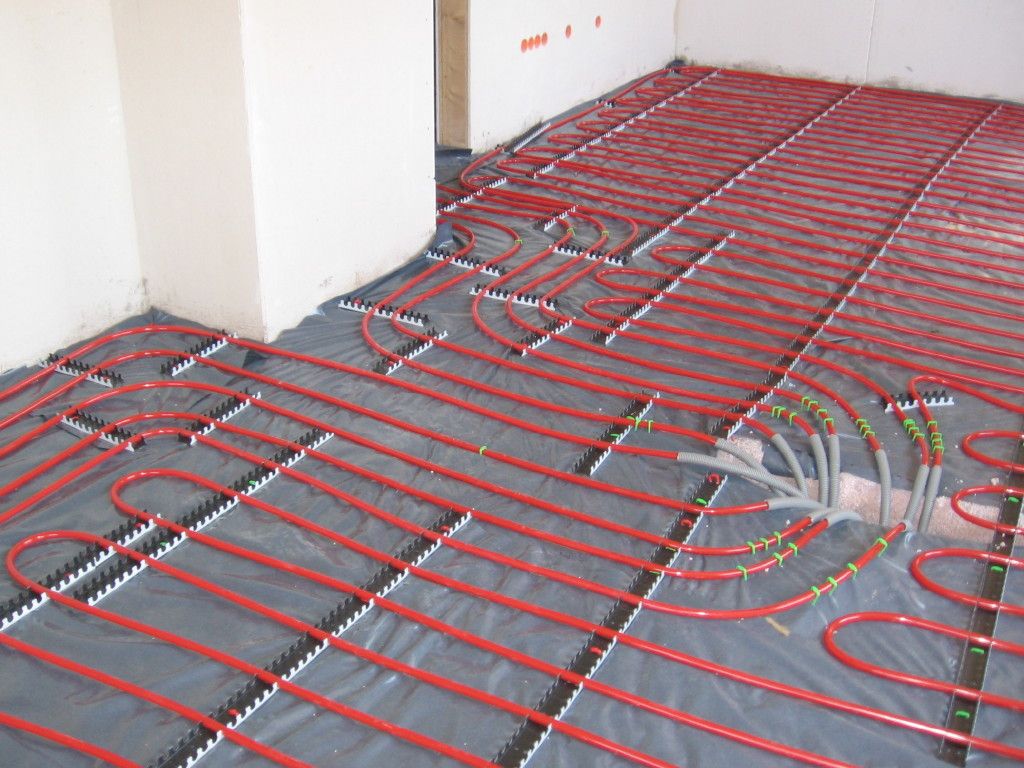
- Electric Underfloor Heating: Uses electric wires, mats, or cables laid under the floor to generate heat. It's best suited for small areas, bathrooms, or renovations. Installation is generally less invasive, but running costs can be higher than other forms.
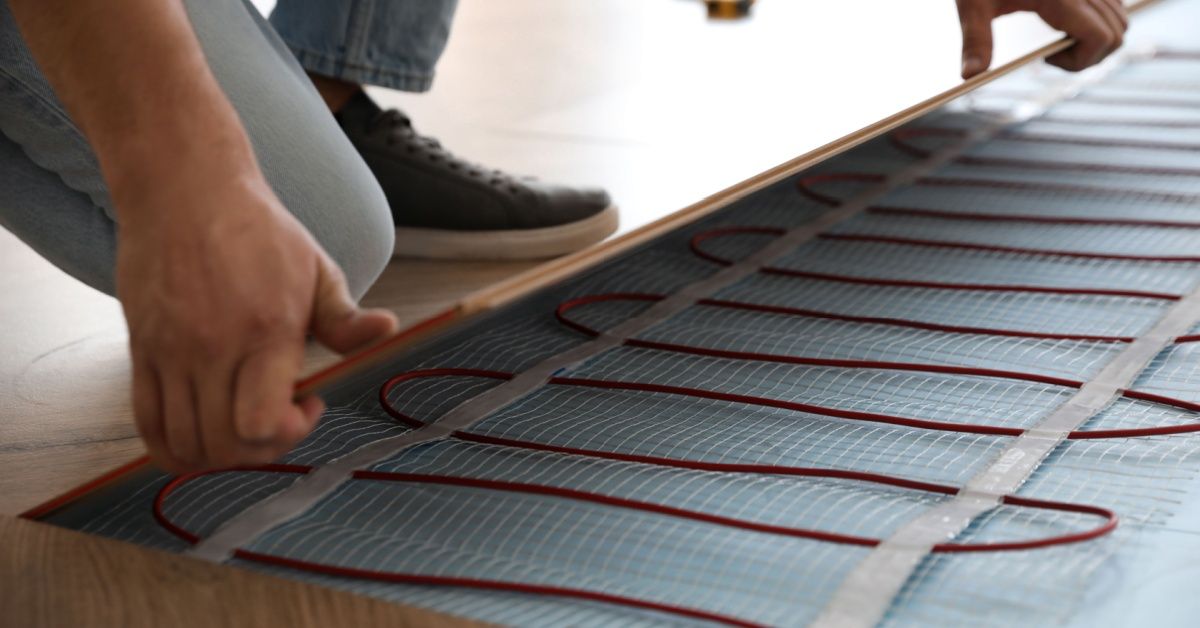
Electric systems heat up quickly and respond fast to controls, so they work well when you only need heat for short periods.
- Wet (Hydronic) Underfloor Heating: Circulates warm water through a network of pipes embedded in the floor. It's better for larger spaces and new builds, as installation is more complex but running costs are reduced over time.

Hydronic systems run at lower water temperatures (30-45°C). That improves efficiency and makes them a good match for renewable heat sources.
Heat distribution is the big advantage. UFH gives you even, consistent warmth from the ground up and removes the cold spots you often get with radiators. The whole floor acts as one giant low-temperature radiator, which improves comfort and cuts draughts.
That larger surface area lets UFH run at lower temperatures while feeling just as comfortable as conventional radiators. It’s one of the main reasons people choose it.
Your floor finish matters. Stone, ceramic, porcelain and engineered wood work best because they conduct and release heat efficiently. Thick carpets and wooden floors slow the response and reduce efficiency by trapping heat.
Heat Distribution and Comfort
Uniformity of Warmth: Underfloor Heating's Key Advantage
Underfloor heating spreads heat evenly across the whole floor. Warmth rises steadily from every part of the surface, keeping the room temperature balanced and consistent.

Radiators concentrate warmth around the unit. That can leave hot spots beside the radiator and cold zones in distant corners or near windows.
UFH minimises those temperature differences. You feel the same steady warmth wherever you sit, while radiators can leave one part of the room chilly and another uncomfortably warm.
That even distribution changes how the room feels. Heat starts at foot level and rises gently, so you don't overheat the air at ceiling height. The room can feel comfortable with the thermostat set 2-3°C lower than in a radiator-heated room.

You get better comfort and can save money over time because the system needs less energy.
Air Quality and Noise Levels
UFH can also make a room quieter and reduce airborne dust. Radiators rely on convection: they warm the air, which rises, cools and falls in a cycle. That constant movement stirs up dust and allergens and can aggravate allergies or respiratory issues.
Underfloor heating radiates gently from below with minimal air movement, so less dust circulates. That’s useful in bedrooms and in homes where someone has asthma or allergies.
Then there’s noise. Radiators and their pipework can click, pop and creak as the metal expands and contracts. You may also hear water moving as the system ages or traps air. UFH is virtually silent.
Energy Efficiency and Environmental Impact
Operating Temperatures and Energy Savings
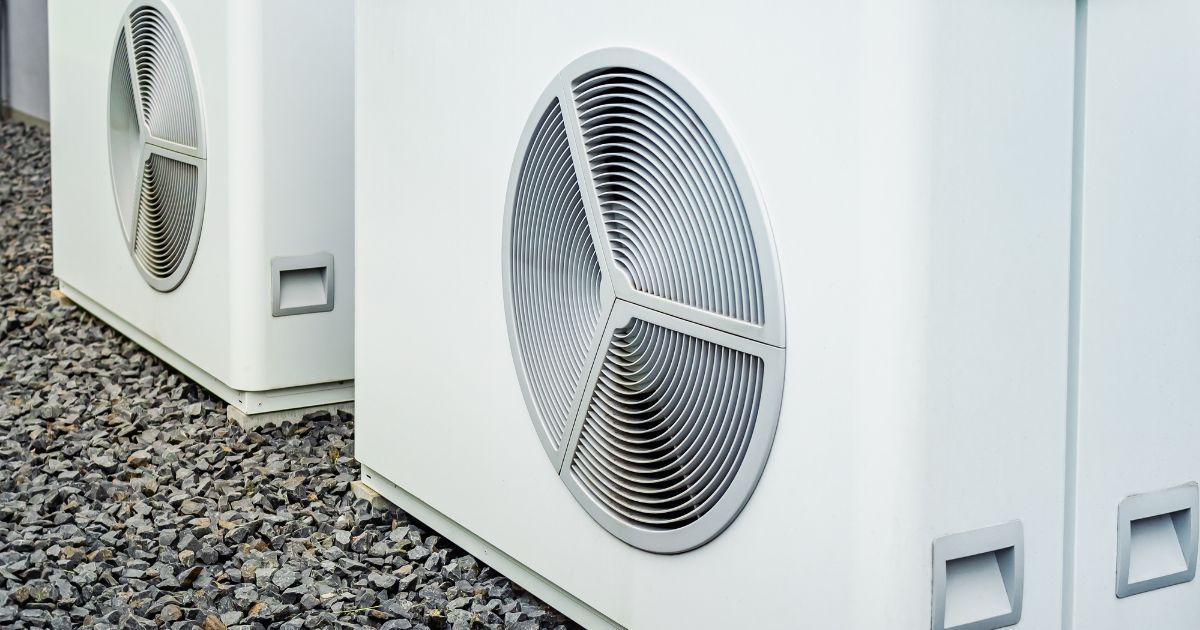
Underfloor heating systems typically operate at much lower temperatures, commonly around 35-45°C, compared with traditional radiators, which generally require higher water temperatures.
Those lower operating temperatures give UFH its efficiency advantage. The system uses less energy while keeping the whole room comfortable.
Lower operating temperatures can improve the efficiency of a suitable heat source, including a heat pump. The actual savings depend on the building, insulation, floor finish, controls, tariff and how the system is used.
Carbon Footprint and Sustainability
Because UFH runs at lower temperatures, it needs less energy. That means less fossil fuel use and a smaller carbon footprint. Heating makes up a significant share of domestic carbon emissions, so better efficiency matters.
UFH also works well with renewable energy. Modern heat pumps, solar thermal collectors and biomass boilers all suit its low-temperature demand, giving you more scope for carbon-neutral operation.
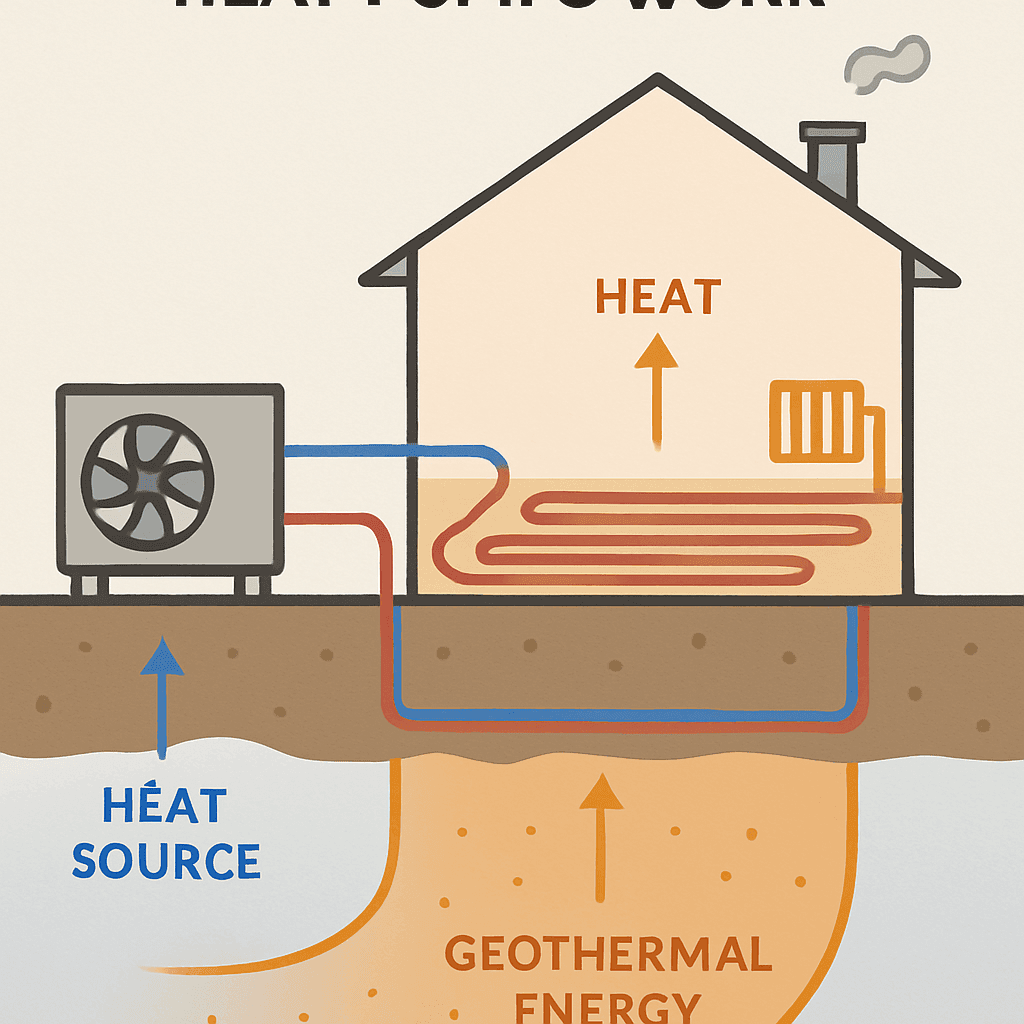
The strongest pairing is UFH with a ground-source or air-source heat pump because heat pumps work most efficiently at the lower flow temperatures UFH needs. There’s a summer benefit too: pair wet UFH with a reversible heat pump and it can cool your home, which radiators can't do. Learn more about underfloor cooling.
Lower flow temperatures can also reduce the carbon intensity of heating when the system is supplied by renewable electricity or a low-carbon heat source. UFH systems are also designed to last for many years when specified and installed correctly.
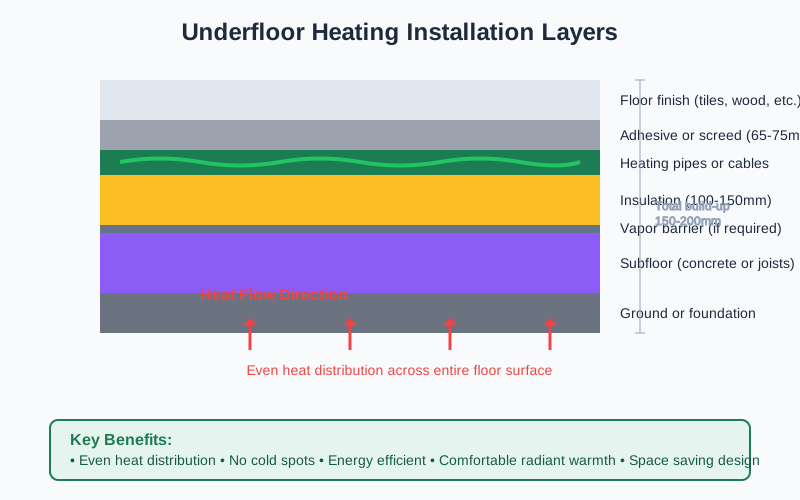
The Role of Floor Insulation and Construction
Insulation can make or break an underfloor heating system. Proper floor insulation cuts downward heat loss and sends as much warmth as possible into the room above.
Without enough insulation, you lose a significant amount of heat into the subfloor. Your running costs rise and the system performs badly. Choose insulation for the actual floor structure because concrete slabs, suspended timber and intermediate floors each need a different solution.
Installation, Costs & Longevity
Upfront Installation: Complexity and Investment
Retrofitting vs New Builds
UFH is much easier and more cost-effective to install in a new build than in a retrofit. You can plan it from the start and design the subfloor and layout around the heating elements, cutting labour and complexity.

Retrofitting UFH can be invasive. You may need to lift floors, raise the finished floor level and alter doors and thresholds. Some older homes also need extra reinforcement for the weight, adding more cost and disruption.
Radiators are quicker and less disruptive. Most homes already have the pipework and wall space, so an upgrade rarely needs major structural changes.
Cost and Disruption Comparison
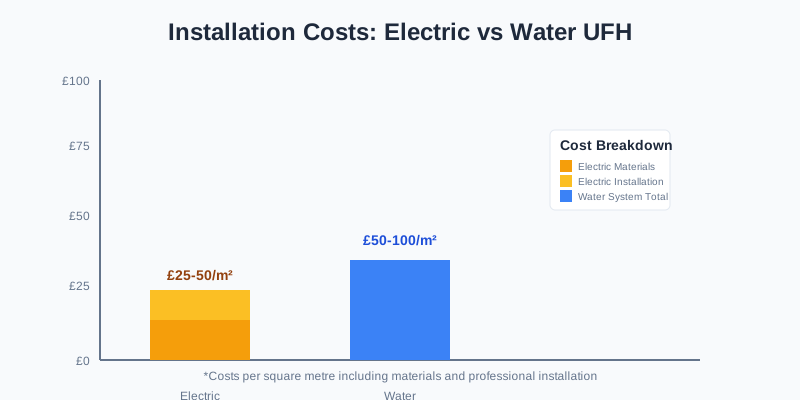
- Installation Costs (UK, 2026 estimates):
- Electric UFH: £50-£75/m2 (new builds toward lower end)
- Wet (hydronic) UFH: £120-£150/m2 (lower range in new builds, higher in retrofits)
- Radiators: Lower overall cost, generally quicker to install, often under £50/m2 for standard replacements
Retrofit costs rise because you need more labour and may need structural changes. Lifting and replacing floors can be highly disruptive, and you may have to move out during the work. In a new build, UFH goes in during construction, which keeps disruption and extra costs down.
Considerations: Flooring Types, Insulation, and System Design
Flooring Types:
- Ceramic tiles: Offer high thermal conductivity, ideal for UFH due to effective heat transfer.
- Stone flooring: Excellent thermal mass but requires robust insulation beneath to prevent downward heat loss.
- Wooden floors: Moderate heat transfer; select lower temperature UFH designs to avoid damage. Rapid temperature shifts can stress wood, so engineered boards are preferable over solid hardwood.
- Rubber/synthetic floors: Insulate well against sound but may impede heat flow, reducing UFH efficiency.
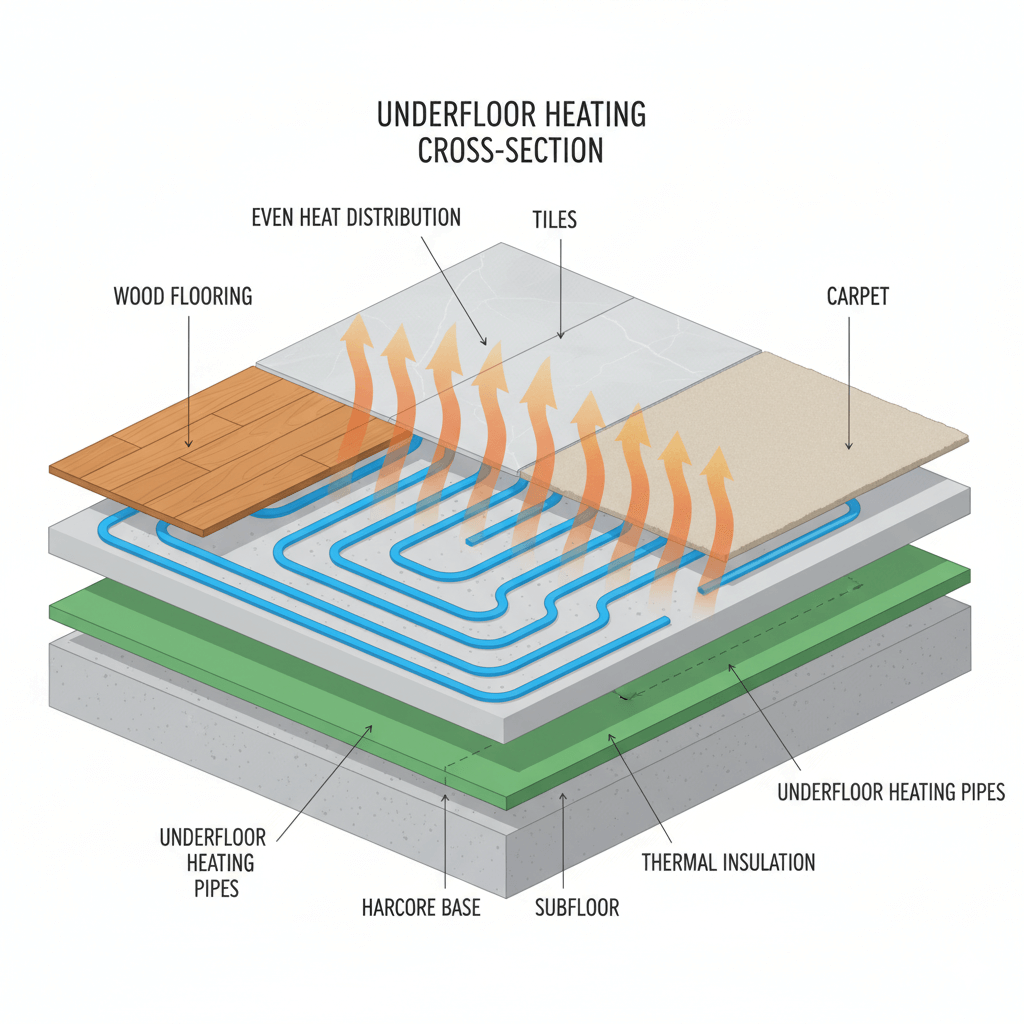
Insulation Needs: Efficient UFH needs high-quality floor insulation. Without it, heat escapes downwards, system efficiency drops sharply and bills rise. Insulating historic or solid floors can add cost and complexity, but the heating won't work properly without it.
Operating and Maintenance Costs Over Time
Maintenance Requirements
Once installed, underfloor heating needs very little maintenance. Hydronic UFH pipework can last over 50 years with minimal leak risk when installed correctly. Manifolds and pumps only need occasional checks, while electric systems have no moving parts and rarely need attention. Smart thermostats for underfloor heating can monitor performance and flag issues early.
Radiators, however, demand ongoing care:
- Regular bleeding to remove trapped air, ensuring efficiency
- Periodic flushing to clear sludge build-up
- Valve and component replacements as wear and corrosion occur
Radiators are easier to reach when something goes wrong, but they need more regular upkeep over their 10-15 year lifespan.
Lifespan Comparison
- UFH (hydronic or electric): 40-50 years or longer if properly installed
- Radiators: 10-15 years, with radiators, valves, or thermostats likely to need replacement over time
That longer life cuts both the maintenance burden and total replacement cost of UFH.
Financial Payback and Value Over Time
Return on Investment: Utility Savings, Durability, Comfort
UFH often delivers noticeable savings on energy bills. Hydronic underfloor heating can achieve energy efficiency gains of 15-40% over radiators because it runs at lower water temperatures and spreads heat more evenly.

Its radiant heat avoids overheated pockets of air, reduces overall heat loss and lets you use a lower thermostat setting without losing comfort.
- Example: A wet UFH system in a well-insulated 3-bedroom house may recoup its higher upfront cost within 7-12 years due to reduced heating bills. The longer you stay in the property, the greater the cumulative savings.
UFH also offers comfort advantages: no cold spots, no hot-air convection currents, and more consistent room temperatures across each zone. For bathrooms and kitchens, underfloor heating adds luxury and can increase property appeal and value.
Budgeting for Ongoing Costs
- UFH: Low routine maintenance costs and fewer repairs over time. Energy savings help offset initial investment.
- Radiators: Lower upfront cost, but higher long-term maintenance and component replacement needed. Running costs can be higher, especially with outdated or poorly maintained radiator networks.
So don't look at installation cost on its own. Weigh it against long-term savings, low maintenance and better comfort.
Health, Safety & Lifestyle Factors
Allergy & Asthma Considerations
Underfloor heating reduces the circulation of airborne dust, pollen and mould compared with radiator or forced-air heating. Radiator convection creates air currents that stir up allergens. UFH radiates heat evenly from the floor, keeping air movement, dust and suspended particles to a minimum.
That can help in homes where someone has allergies or asthma. You don't get the same dust traps around radiators, so cleaning works better. The consistent floor temperature also helps maintain optimal humidity levels, reducing dust mites and slowing mould growth, two common allergy and asthma triggers.
For children, older adults and people with chronic respiratory conditions, those indoor air quality improvements can bring measurable health gains and make the home more comfortable.
UFH also removes hot surfaces and exposed pipes. Typical floor temperatures range from 29-35°C (84-95°F), far below the burn risk from standard radiators. Nothing sticks out from the walls, so you essentially remove the risk of accidental burns or impact injuries, especially for small children and older people with reduced mobility.
Interior Design Freedom and Space Utilization
Because UFH sits inside the floor, you don't need bulky radiators or baseboard heaters. You get whole walls back and far more freedom with the room layout.
- Room Layouts: With no radiators, furniture placement is unrestricted. Large items like sofas, desks, or shelving can be positioned freely, optimizing the use of available space and supporting diverse layouts-from open-plan living to highly segmented rooms.
- Aesthetics: The absence of visible heating appliances aligns with minimalist and modern design trends. It enables streamlined wall and floor treatments free from visual clutter.
- Property Value: Underfloor heating is a desirable feature in some property searches, but there is no fixed UK-wide price premium. The value depends on the property, the quality of the installation and what comparable homes have sold for.
That extra freedom matters in compact homes and urban flats. It also makes staging and interior design easier in residential and commercial properties.
Temperature Control and Zoning Options
Modern UFH gives you precise temperature control and zoning. Each room, open-plan area or section of a large space can have its own thermostat.
- Zoning: Enables targeted heating for occupied rooms and energy savings in unused spaces. This is a clear advantage over radiator-based systems, where single thermostats typically control large, mixed-use areas or even the whole home.
- Smart Thermostat Integration: Underfloor systems support most leading smart thermostats, including Google Nest, Honeywell Evohome, Drayton Wiser, and Hive. These devices allow for remote scheduling, adaptive learning (they "learn" household routines), open-window detection, and even voice assistant commands.
- Future-Proofing: The compatibility with home automation ecosystems and ongoing advances in smart heating technology ensure these systems remain flexible.
Match the schedule closely to how you use each room and the seasons, and you get better comfort as well as measurable energy savings.
Limitations, Drawbacks & When to Choose Each System
When Radiators Make Sense
Radiators win when you need a quick response. They heat rooms fast, which suits guest bedrooms, home offices and other spaces you use intermittently. They’re also the usual retrofit choice because they don't need major structural work.
On a tight budget, radiators are the practical choice. Both the materials and installation cost significantly less than UFH. Replacing old radiators or adding new ones usually needs basic plumbing, while UFH needs more parts, labour and often remedial flooring work.
Radiators are also easy to maintain and zone. Thermostatic radiator valves or smart controls let you adjust rooms separately without the complexity of multi-zone UFH.
Electric radiators work particularly well for rapid, localised heat where separate control matters, such as rental units or auxiliary spaces.
Underfloor Heating Challenges
Upfront Costs and Installation Disruption
UFH costs much more upfront than radiators. You have to put a hydronic or electric network inside the floor, which can mean removing the existing finish, repairing the subfloor and sometimes reinforcing the structure.
Expect dust, noise and possibly a period out of the house. UFH elements often raise the floor, affecting thresholds, doors and fixtures. This "floor build-up" matters when room height is already limited.
Special Considerations for Older Properties and Listed Buildings
Older and heritage properties need more care. Lifting floors can damage historic features, and you may face restrictions on altering original subfloors or joists. Poor insulation can also undermine UFH’s low-temperature efficiency unless you make substantial upgrades.
Floor coverings like thick carpets or certain engineered woods may also restrict heat flow, lessening system efficiency and comfort.
Labour and Expertise
UFH needs a skilled installer. If experienced trades are scarce in your area, the project may take longer or suffer quality problems. Proper commissioning matters because poor balancing or incorrect manifold settings cause cold zones and inefficient operation.
Combining Both Systems: Hybrid Solutions
A hybrid system gives you the best parts of UFH and radiators. A common setup uses UFH in busy open-plan or ground-floor living spaces, then keeps radiators upstairs, in bedrooms and anywhere that needs a fast warm-up.
Where Hybrid Systems Work Best
- Large open-plan ground floors: UFH provides consistent warmth and uncluttered aesthetics.
- Bedrooms and bathrooms: Radiators offer rapid temperature changes, which is useful where intermittent use or quick comfort is desired.
- Retrofit situations: Retain radiators where floor build-up is impractical (upstairs), install UFH as part of ground-floor renovations.
- Bathrooms: Towel radiators paired with UFH assure warm towels and floors, balancing comfort and responsiveness.
Benefits and Considerations
- Efficiency: Hybrid systems can improve efficiency when UFH is supplied by a suitable low-temperature heat source and radiators are used only where a faster response is useful. The result depends on the building, system design, controls and fuel prices, so compare the specific design rather than relying on a general percentage claim.
- Flexible controls: Zone-specific management enables occupants to tailor comfort and running costs.
- Installation complexity: Integrating both systems requires expert hydraulic and control design: manifolds, thermostats, and balancing valves must be coordinated.
Decision Framework: Choosing the Right Heating System for Your Home
Assessment Checklist: Key Factors in Heating System Selection
Still unsure? Run through these property and lifestyle questions:
- Property Type & Age: Is it a new build, retrofit, apartment, family home, or heritage property?
- Budget: What are your constraints for initial installation and acceptable ongoing energy costs?
- Insulation Quality: Is your home well-insulated or prone to heat loss?
- Heating Preferences: Do you prioritize consistent warmth (even heat), fast response times, or zoned control?
- Long-Term Plans: Do you expect to remain in the property for many years, or might you move soon?
- Flooring Type & Room Layout: Concrete, tile, and open-plan areas favour UFH; wood or carpeted floors may require special consideration.
- Aesthetic Preferences: Do you want visible heating emitters or a minimalist design?
- Eco-Friendliness: Is reducing your carbon footprint or integrating renewables (e.g., heat pumps) a priority?
Match the System to the Property
1. New Builds
Best Heating System: Underfloor heating, often combined with a heat pump.
- UFH is easiest and most cost-effective to install at build stage.
- Delivers even, draught-free comfort, maximised by modern insulation.
- Supports open-plan layouts and optimizes wall/floor space for furniture.
- Ideal for integrating with renewable energy systems, enhancing eco-credentials and long-term savings.
Example: A new eco-home pairs water-based UFH with a ground source heat pump, achieving superior comfort and up to 40% energy savings compared to radiators.
2. Retrofits (Existing Homes)
Best Heating System: Radiators-unless major renovations are planned.
Not sure this is the right page?
Get a reading list built for your project
Three quick questions and we will point you to the guides that match what you are actually trying to do.
Find your starting pointThree questions. About 30 seconds. No sign-up.
- Radiators are less disruptive, with lower installation cost and minimal changes to floors or room layouts.
- UFH can be retrofitted but may require raising floors and altering plumbing/electrics, increasing cost and inconvenience.
- Consider hybrid systems (radiators upstairs, UFH downstairs) when budgets or building structure permit partial conversions.
Example: A family upgrades an older suburban house with new high-efficiency radiators, greatly improving heating performance without major structural work.
3. Family Homes
Best Heating System: Underfloor heating, especially for larger or open-plan spaces.
- UFH provides safe, even warmth, removing hot surfaces and freeing up room for active children.
- Reduces risk of dust circulation, allergy triggers, or burns.
- Long-term energy savings offset initial investment, supporting whole-house comfort.
Example: In a modern family home, UFH installed throughout the ground floor delivers draught-free comfort and allows children to play freely without worrying about hot radiators.
4. Apartments and Small Spaces
Best Heating System: Electric underfloor heating (bathrooms, kitchens) or compact radiators.
- Electric UFH is suitable for single rooms; it's thin, quick to install, and often used in tiled bathrooms.
- For main living spaces, panel radiators offer high efficiency at a low cost and easy retrofit.
Example: An urban apartment uses electric UFH in the master bathroom for quick warmth, while a designer radiator provides main room heating without floor disruption.
5. Heritage or Period Properties
Best Heating System: Modern radiators (often paired with heat pumps).
- Preservation of original features is critical; radiators are less invasive and easier to upgrade.
- UFH may require altering historic floors or substructures, risking damage.
- Hybrid solutions (modern radiators with advanced controls, or paired with a heat pump for efficiency) increase comfort and lower bills while preserving building integrity.
Example: A listed Victorian manor uses contemporary column radiators compatible with existing piping, maintaining aesthetics while upgrading energy efficiency.
Custom Recommendations Based on Priorities
If Comfort and Even Heat Are Paramount:
- Water-based underfloor heating offers consistent, gentle warmth underfoot, reducing temperature gradients in open-plan, well-insulated spaces.
- Best for new builds, major renovations, and long-term family homes.
If Budget and Speed Matter Most:
- Choose modern, high-efficiency radiators for quick installation and repair, especially in older buildings or when full flooring replacement is not feasible.
If Energy Efficiency and Eco-Friendliness Lead:
- UFH paired with a heat pump system delivers maximum savings and minimal carbon emissions in a well-insulated property.
- Hybrid systems (UFH + radiators or heat pumps + radiators) work well in mixed-age or complex homes.
If Maintenance Simplicity and Flexibility Are Key:
- Radiators are easy to access, service, and upgrade. They can be zoned with smart thermostats for improved control.
In Specialist Cases:
- Electric UFH is best for small rooms (like bathrooms) or retrofits where space is tight.
- Hydronic UFH is better for full-home, low-carbon installations, especially with renewables integration.
Summary Table: Evaluating Underfloor Heating vs Radiators by Need
| Priority | Recommended System | Details |
|---|---|---|
| Comfort | Underfloor Heating | Even warmth, ideal for open-plan homes |
| Fast Install | Radiators | Quick retrofit, budget-friendly projects |
| Eco-friendliness | UFH + Heat Pump/Hybrid | Best with insulation and renewables |
| Heritage preservation | Radiators (Hybrid option) | Less disruptive, maintains period features |
| Bathroom Upgrade | Electric UFH | Simple, quick heating for tiled areas |
| Flexibility | Combined (zoned systems) | UFH for key zones, radiators elsewhere |
Every property is different. Match the decision to your budget, lifestyle and the technical reality of the building.
Frequently Asked Questions (FAQs)
How does underfloor heating compare with radiators in terms of comfort and efficiency?
Underfloor heating spreads warmth evenly across the floor, removing the cold spots and draughts you often get with radiators. Because it runs at lower temperatures, it can reduce energy consumption by 15-40% compared with radiators. Hydronic (water-based) systems suit larger spaces, while electric systems work best in small areas or where you need fast heat-up.
What are the main types of underfloor heating systems?
There are two main types:
- Electric (dry) underfloor heating: Uses cables or heating mats installed directly below the final floor covering. Best for retrofits or single rooms like bathrooms.
- Water-based (wet or hydronic) underfloor heating: Pumps warm water through pipes laid under the floor. Suited for larger spaces, new builds, or whole-house heating.
What does installation involve for electric and water-based systems?
Electric systems:
- Typically installed above the subfloor or insulation, under tiles, vinyl, laminate, or engineered wood.
- Quicker and less invasive to install-often in a single day.
- Requires appropriate thermostat and may need a dedicated electrical circuit.
Water-based systems:
- Pipes are set in screed or panels beneath the floor. May raise floor height.
- Often involves more preparation and longer installation time.
- Best installed during renovations or new builds for minimal disruption.
Use an experienced professional for either type so the system meets safety codes and runs reliably.
Can underfloor heating be added to existing homes without major renovations?
Yes. Low-profile electric mats and ultra-thin hydronic panel systems let you retrofit with little change to floor height. Electric UFH is popular because it’s thin and needs minimal alteration. Low-profile water systems can cover larger areas. Whichever you choose, make sure the existing floor has good insulation.
How do you control underfloor heating, and what is zoning?
Modern UFH uses digital thermostats, often with smart controls. You can split the system into 'zones', giving each room or area its own thermostat and temperature. That improves comfort and stops you wasting energy in rarely used rooms. Some advanced systems add fuzzy logic or home automation for demand-driven, adaptive heating.
What is the typical lifespan and maintenance for underfloor heating?
A properly installed system can last 25-50 years. Electric systems need little maintenance, and most faults involve the thermostat or accidental floor damage. Water-based systems may need occasional leak checks, pump and manifold servicing, or controller updates. Make sure either system has accessible maintenance points.
Which floor coverings work best with underfloor heating?
The most effective floor coverings for heat transfer are:
- Porcelain and ceramic tiles
- Natural stone
- Luxury vinyl tile (LVT), such as Karndean
- Engineered wood designed for underfloor heating
Low-pile carpet and suitable underlay (TOG rating ≤ 2.5) can be used, but very thick or dense materials reduce performance. Always check compatibility with the floor heating system and the manufacturer's thermal limits.
How quickly does underfloor heating warm the room, and how does this compare to radiators?
- Electric systems: Heat up most floors in 30-60 minutes, providing fast comfort.
- Water-based systems: Full concrete slabs may take hours or longer due to higher thermal mass, but thinner or panel-based systems can heat in 1-3 hours.
Radiators typically heat the air more quickly but with less even warmth.
What does underfloor heating cost to install?
- Electric systems: Lower upfront installation costs, especially for single rooms or retrofits. Running costs may be higher depending on electricity prices.
- Hydronic systems: Higher installation costs due to pipework and mechanical systems, but more economical for larger areas or whole-home heating in the long run.
Installation costs can vary based on floor size, insulation, and existing building condition.
Is underfloor heating compatible with renewable energy systems?
Yes. Hydronic underfloor heating works especially well with renewable heat sources such as heat pumps and solar thermal panels due to its low flow temperature requirement. This improves efficiency and lowers running costs further.
What are common problems or troubleshooting tips for underfloor heating?
- Cold spots: May result from poor pipe/cable layout or airlocks (in hydronic systems). Professional diagnostics can pinpoint issues.
- System not heating: Check thermostats and power supply. For hydronic systems, check pressure, pump, and manifold operation. Check out our Underfloor Heating Manifold Guide
- Uneven heating or delayed response: Verify correct zoning, check insulation, and floor covering compatibility.
Does underfloor heating work in bathrooms and kitchens?
Yes. Both electric and water-based systems suit wet rooms when the installer uses proper waterproofing and IP-rated components. Fast-warming electric systems are particularly popular in bathrooms because they keep tiled floors comfortable.
How does underfloor heating impact air quality and space usage?
Underfloor heating moves less air and dust than radiators or forced-air systems, which can help allergy sufferers and improve indoor air quality. Removing radiators also frees wall space for furniture and décor.
Can underfloor heating be integrated with smart home systems?
Yes. Many underfloor heating thermostats are compatible with smart controls, allowing remote scheduling, voice commands, and energy monitoring for increased convenience and efficiency.
So what’s the answer? UFH delivers even radiant warmth, fewer cold spots and better thermal comfort. The research and industry data support those benefits, but they don't make UFH right for every property.
Radiators heat up fast and cost less to install, but they create less even temperatures and need hotter water, which affects efficiency and energy use.
The energy efficiency research is clear: UFH, especially water-based systems, can lower energy consumption by 25-35% compared with radiators, particularly when paired with renewable energy. That can save a meaningful amount over time, but installation usually costs more upfront, especially in a retrofit.
Radiators still win on project speed and cost in most retrofits. If disruption or budget is your main concern, they’re the practical option.
If comfort, lower energy use and minimal maintenance matter most, UFH is generally better. It needs no regular bleeding, has no exposed surfaces and lasts a long time.
What I’d Do Next
1. Speak to a qualified professional
- Ask a heating engineer or HVAC consultant to assess the property’s insulation, floor structure and heating demand.
- Get advice based on the building, how you use it and the comfort you want.
- Ask them to compare electric underfloor heating vs water underfloor heating, plus any hybrid or zoned options.
2. Check whether the property suits it
- For a new build or major renovation, plan the UFH as part of the whole-house energy design.
- In an existing home, get a feasibility study to compare retrofit costs and benefits, especially in busy rooms such as bathrooms.
- Include any insulation upgrades you’ll need for good performance and savings.
3. Compare cost and long-term value
- Request quotes for UFH and radiators, including running-cost estimates over 10-20 years.
- Check available grants, incentives or energy-efficient finance when you compare the initial cost.
4. Check the evidence
- Read independent guides and authoritative industry resources on troubleshooting, drawbacks and new technology.
- Look at recent field data, peer-reviewed studies and standards to understand real-world performance.
5. Consider a hybrid or zoned setup
- Ask about combining UFH with radiators or using heat pumps across several zones.
- Match the system to room size, usage and available floor height, especially in a difficult retrofit.
If you've decided UFH is right but aren't sure which type, see our Electric vs Wet UFH Comparison.
My takeaway is simple: use wet UFH when you can design it properly into a well-insulated floor. Keep or upgrade radiators when budget, disruption or fast response matters more. If your home sits between those cases, a hybrid system is often the sensible answer.
Ready to choose? Get free quotes from professional underfloor heating installers via the Underfloor Heating Directory.
Related guides
- Heat Pump Load Control Explained: What UK Owners Need to Know
- Underfloor heating installation costs: a practical UK breakdown
- £9,000 Heat Pump Grant for Oil-Heated Homes: Underfloor Heating
- Hybrid Underfloor Heating Systems: Electric and Water-Based UFH
- Underfloor Heating Bathroom Design: A Practical UK Guide
- Laminate Flooring Over Underfloor Heating: UK Guide
- Underfloor Heating Warranty and Insurance: What UK Homeowners Need to Know
One useful email,
once a month.
New guides as they go live. Real cost data, not press releases. The occasional rumour from the industry that's actually worth knowing.
No sales pitches. No jargon. Unsubscribe in one click.