Warm floors,
fewer emissions.
Honest answers.
An independent resource for the British home. Translating the underfloor heating trade for the people actually living in the house.

35–45°C flow temp
vs. radiators 2026
Which underfloor heating system interests you?
Choose your system type to see the most relevant content and guidance for your needs.
Electric UFH
Heating cables or mats installed beneath flooring. Perfect for renovations and smaller areas.
Wet UFH
Water pipes circulating warm water from your boiler. Most efficient for larger areas and new builds.
Compare Both
Not sure which system? Compare electric vs water systems and get guidance on the best choice.
Bridging the Gap Between Trade Experts and Your Home
I'm not just another heating blogger. With 12 years in online marketing and deep immersion into the UFH industry, I've built direct relationships with manufacturers, installers, and system designers.
What you get here is industry insider knowledge translated into practical, actionable advice. No sales pitches, no impenetrable jargon, just honest guidance to help you make the right investment for your property.
What Sets Us Apart
Understanding Underfloor Heating Systems
Underfloor heating (UFH) represents one of the most efficient and comfortable ways to heat your home. Unlike traditional radiators that create uneven heat distribution with hot and cold spots, underfloor heating transforms your entire floor into a gentle, radiant heat source that warms from the ground up.
This heating method operates on the principle of radiant heat transfer, where warm surfaces emit infrared radiation that directly heats objects and people in the room rather than just warming the air. The result is a more natural, comfortable warmth that feels similar to sunlight, eliminating the drafts and temperature variations common with conventional heating systems.
Why Choose Underfloor Heating?
Energy Efficiency Benefits
Underfloor heating systems operate at lower temperatures than traditional radiators (typically 35-45°C compared to 60-80°C), making them significantly more efficient. This lower operating temperature is particularly beneficial when paired with modern condensing boilers or heat pumps, potentially reducing your heating bills by 15-25%.
The even heat distribution means less energy is wasted heating unused upper areas of rooms, and the thermal mass effect helps maintain comfortable temperatures with less frequent heating cycles.
Comfort and Health Advantages
The gentle, radiant warmth eliminates cold spots and drafts, creating a more comfortable living environment. Because the system doesn't rely on air circulation to distribute heat, it reduces dust movement, making it ideal for allergy sufferers and those with respiratory sensitivities.
The elimination of radiators also frees up valuable wall space, allowing for more flexible interior design and furniture placement.
Electric vs Wet Underfloor Heating Systems
When choosing underfloor heating, you'll encounter two main system types: electric (dry) systems and water-based (wet) systems. Each has distinct advantages and is suited to different applications and property types.
Electric Underfloor Heating
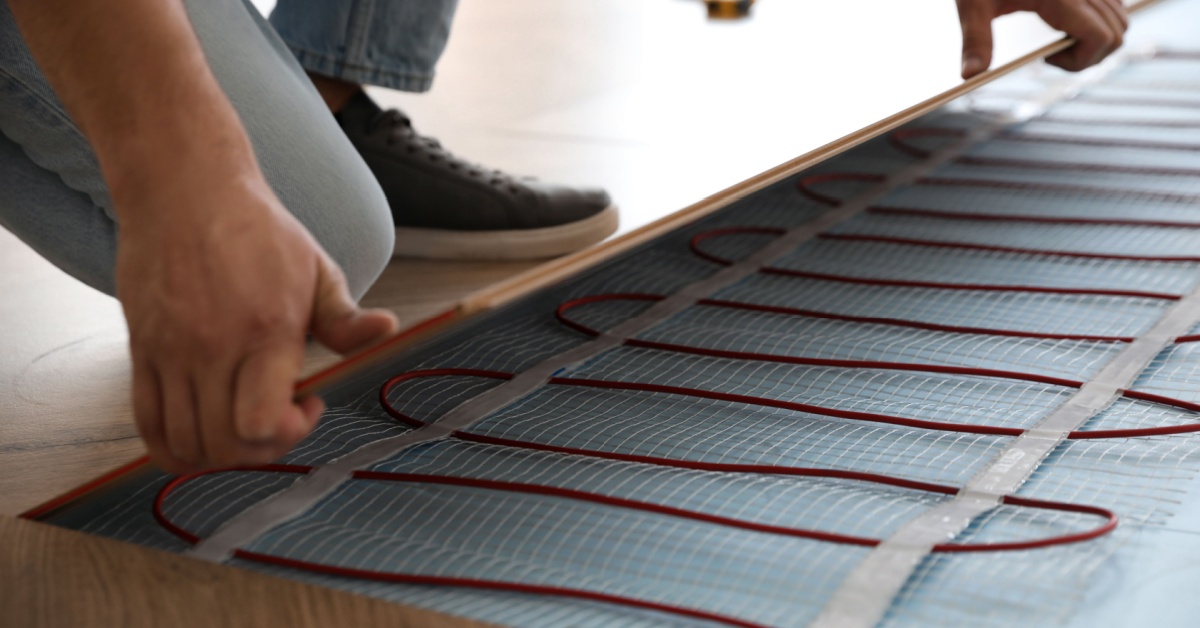
Electric systems use heating cables or pre-formed mats installed directly beneath the floor covering. These systems are ideal for smaller areas, bathrooms, and retrofit applications where minimal floor height increase is crucial. Installation is typically quicker and less disruptive, often completed in a single day per room.
The precision control offered by electric systems allows for exact temperature management in each zone, making them perfect for spaces with varying usage patterns. However, running costs are generally higher due to electricity prices, making them more suitable for occasional use or smaller areas.
Best for: Bathrooms, kitchens, conservatories, small rooms, retrofit projects, and situations requiring precise temperature control.
Wet Underfloor Heating
Water systems circulate warm water through a network of pipes embedded in the floor structure, connected to your main heating system. These systems excel in larger areas and whole-house heating applications, offering the lowest running costs and excellent compatibility with renewable energy sources like heat pumps and solar thermal systems.
While installation is more complex and typically requires professional fitting, the long-term benefits include superior energy efficiency, lower running costs, and the ability to provide consistent heating throughout large spaces. The system's thermal mass provides excellent heat retention, maintaining comfortable temperatures long after the heating cycles off.
Best for: New builds, major renovations, large areas, whole-house heating, and properties with renewable energy systems.
Planning Your Underfloor Heating Project
Successfully implementing underfloor heating requires careful planning and consideration of several factors. The key to a successful installation lies in proper system design, accurate heat loss calculations, and choosing the right components for your specific application.
Heat Loss Assessment
Professional heat loss calculations ensure your system is correctly sized for optimal performance and efficiency.
Floor Construction
Understanding your floor build-up is crucial for selecting compatible systems and insulation requirements.
Control Systems
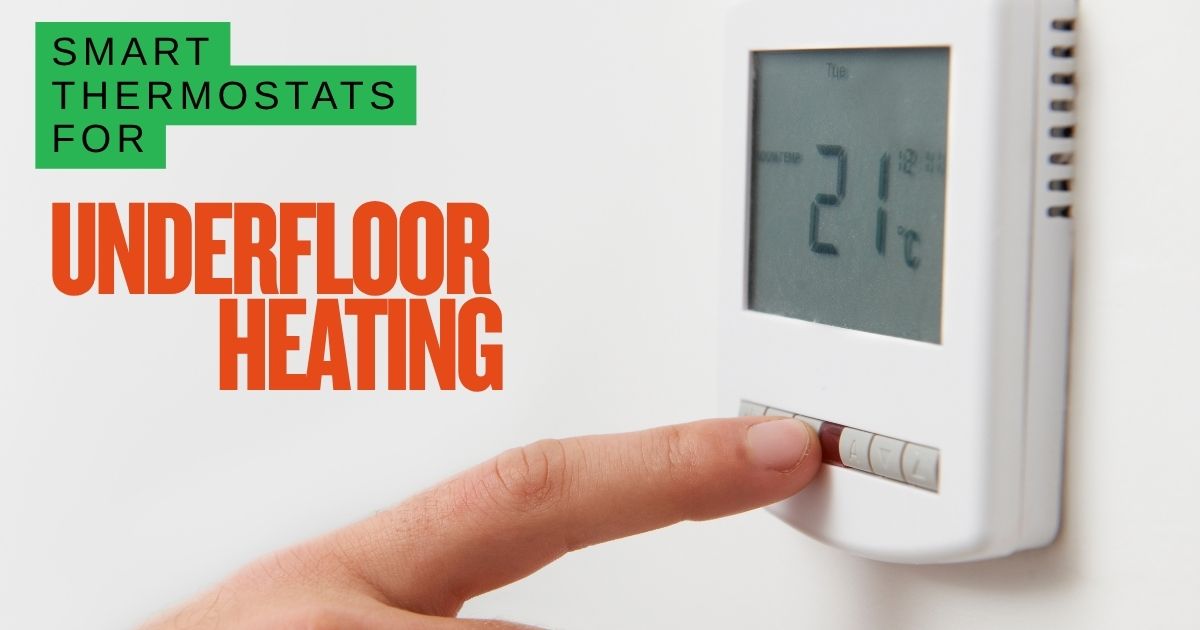
Modern control systems provide zoning capabilities, programmable schedules, and smart home integration.
Our comprehensive guides cover every aspect of underfloor heating, from initial concept through to installation and maintenance. Whether you're a complete beginner exploring your options or ready to move forward with a specific system, you'll find the expert advice and detailed information needed to make informed decisions about your heating upgrade.
Featured Guides



Browse by Category
Latest Articles
Browse all articles


One useful email,
once a month.
New guides as they go live. Real cost data, not press releases. The occasional rumour from the industry that's actually worth knowing.
No sales pitches. No jargon. Unsubscribe in one click.