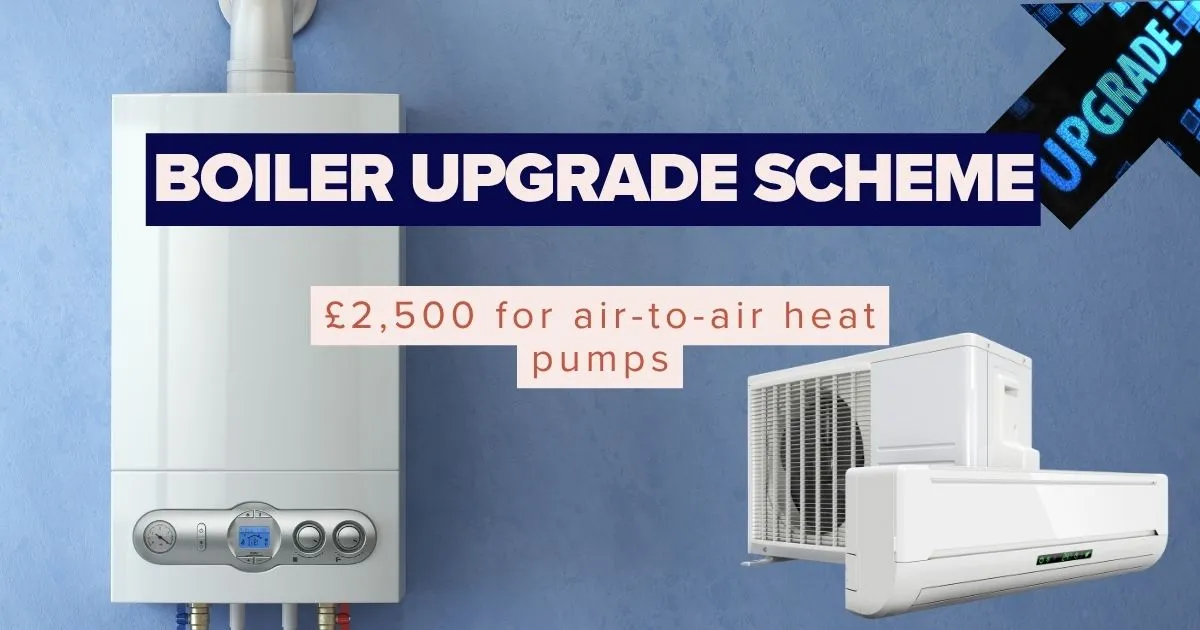
Quick Answer: From Monday 21 July 2026, a new set of Boiler Upgrade Scheme grant values takes effect in England and Wales. Off-gas-grid homes replacing oil or LPG heating get £9,000 towards an air-to-water or ground source heat pump, up from £7,500. Less widely reported: air-to-air heat pumps join the scheme for the first time, with a £2,500 grant. That smaller grant has a big caveat for underfloor heating, air-to-air units cannot drive a wet underfloor system. Follow the latest underfloor heating guidance at underfloorheating.info and find qualified professionals through the Underfloor Heating Directory.
Guided reading
Not sure where to start?
Answer three quick questions and we will point you to the right guides for your project.
Find your starting pointThree questions. About 30 seconds. No sign-up.
What actually changes on 21 July
The Department for Energy Security and Net Zero (DESNZ) has published the formal notice of grant categories and values that apply from 21 July 2026, the third set since the Boiler Upgrade Scheme (BUS) launched. Most attention has gone to the headline uplift: households off the gas grid that currently heat with oil or LPG will be able to claim £9,000 towards an air-to-water or ground source heat pump, a 20% increase on the standard £7,500. We covered the background to that announcement, and why it matters for anyone weighing up a heating overhaul, in our earlier report on the £9,000 grant.
The uplift is temporary, running until 31 March 2027, and it is targeted. Reading the notice closely, the £9,000 rate applies only where an off-grid property is replacing an oil or LPG system specifically. Off-grid homes replacing coal, a fossil-fuel hybrid, or old electric heating still receive the standard £7,500, as do all on-grid homes swapping out a mains gas boiler. The £5,000 biomass boiler grant for off-grid properties is unchanged.
The quieter change is structural: for the first time, air-to-air heat pumps are eligible under the scheme, attracting a grant of £2,500 whether the property is on or off the gas grid. That opens the scheme to a much cheaper class of heating technology, and creates an obvious trap for anyone who assumes all heat pumps are interchangeable.

The air-to-air caveat every underfloor heating reader should know
An air-to-water heat pump, the kind the £7,500 and £9,000 grants fund, heats water and circulates it through radiators or underfloor heating pipes, and typically provides your hot water too. It is the natural partner for a wet underfloor system, because underfloor heating's large surface area lets the pump run at the low flow temperatures where it is most efficient. Our guide to underfloor heating with heat pumps covers that pairing in detail.
An air-to-air heat pump is a different machine. It blows warmed air into rooms through wall-mounted indoor units, essentially an air conditioner running in reverse. There is no water circuit, which means it cannot drive wet underfloor heating and does not heat your hot water cylinder. If your plan involves warm floors fed by a heat pump, the £2,500 air-to-air grant is not the route to it; you would need the air-to-water option, as our electric vs water underfloor heating comparison explains from the emitter side.
That is not to dismiss air-to-air. For a small, well-insulated flat, or as an affordable first step away from expensive direct electric heating, a £2,500 subsidy on a system that can also cool in summer is a useful addition to the scheme, though air conditioning is not the only route to summer comfort, as our underfloor cooling vs air conditioning comparison sets out. Some households may even combine one with electric underfloor heating in a bathroom, since electric mats run straight off the mains and need no heat pump at all. But the two grant tiers exist because the two technologies do different jobs, and the difference matters more for underfloor heating than for almost anything else.
What to do if you're eligible
If you heat with oil or LPG and have been considering a switch, the practical position is simple: applications at the new £9,000 rate open on 21 July, the window closes at the end of March 2027, and the grant is claimed on your behalf by your installer rather than through a separate application. The installer must be MCS-certified, the sister directory keeps a regional list of MCS-approved installers if you are starting from scratch. Since this year's wider scheme overhaul, a valid EPC is no longer a strict precondition; your installer can evidence eligibility with fuel bills and photographs of the existing system instead.
Before committing, it is worth running the numbers on how you will distribute the heat. The grant funds the heat pump, not the emitters, so a new wet underfloor system, or upsized radiators, comes out of your own budget. Our guide to underfloor heating running costs is a sensible starting point, and July's electricity-versus-gas price gap, which narrowed at the last price cap change, has made the whole-system arithmetic slightly friendlier to electric heat than it was in the spring.

The bottom line
Nothing about 21 July changes the fundamentals: heat pumps and wet underfloor heating remain a strong pairing, one that can even deliver gentle underfloor cooling in summer, and grants reward the switch without paying for the floor itself. The genuinely new element is choice. With air-to-air now inside the scheme at £2,500, homeowners face two grant tiers for two quite different technologies, and the cheaper one does not do warm floors. Read the category names carefully, ask your installer which type they are quoting for, and treat any advert implying a "£9,000 heat pump grant for everyone" with suspicion: the full uplift applies to off-grid oil and LPG homes only, for air-to-water and ground source systems, until the end of March 2027. For eligibility rules, the application process and the wider policy picture, our complete guide to the Boiler Upgrade Scheme covers the scheme end to end.
Sources: GOV.UK. Notice of approved grant categories and values for the Boiler Upgrade Scheme (from 21 July 2026), GOV.UK. Thousands of homes will be eligible for £9,000 off a heat pump (DESNZ), Energy Saving Trust. Boiler Upgrade Scheme explained