
Quick Answer: Underfloor heating is usually worth it in UK renovations or new builds where you're already lifting floors and want even heat, warm floors, and clean walls. It's less worth it for a quick, low‑budget retrofit in a single room. Typical installed costs are £40–£90/m² for electric systems and £90–£190/m² for wet systems. Running costs can be lower than radiators in well‑insulated homes, especially with a heat pump. Explore more advice at underfloorheating.info and find suitable installers through the Underfloor Heating Directory.
Guided reading
Not sure where to start?
Answer three quick questions and we will point you to the right guides for your project.
Find your starting pointThree questions. About 30 seconds. No sign-up.
Considering UFH? Compare installers and get quotes via the Underfloor Heating Directory.

Underfloor heating (UFH) is one of those upgrades that people either love or regret. The people who love it usually planned it into a renovation or new build, insulated properly, and understood the slower heat-up time. The people who regret it usually expected instant heat in a cold, draughty room and tried to do it on the cheap.
This guide keeps it honest: the real pros and cons, when it makes sense, and when it doesn't.
The simple decision: worth it or not?
Worth it if:
- You're already renovating or building, so floor access is easy.
- You want even heat and warm floors, not quick blasts of heat.
- You care about clean wall space and furniture freedom.
- You plan to stay in the home long enough to enjoy the comfort and efficiency.
Not worth it if:
- You need a quick, cheap heating fix.
- You're only doing a tiny room and can't justify the cost.
- You can't raise floor height at all.
- The home is poorly insulated and loses heat fast.
Pros of underfloor heating (the real benefits)
1) Comfort you actually feel
UFH heats from the ground up, which means the warmest air is where you live, not at the ceiling. Rooms feel more even, with fewer cold spots and less draughting.
2) More usable space
No radiators means you can use more wall space for furniture, storage, or open layouts. It sounds minor until you're trying to lay out a small room.
3) Lower running costs (for wet systems)
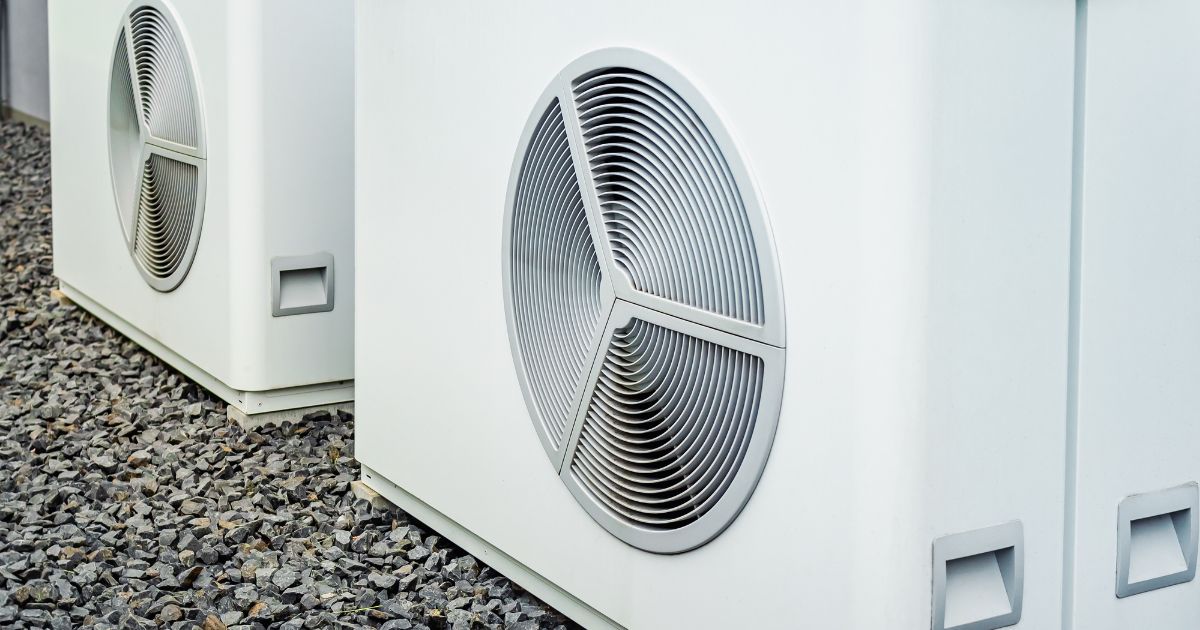
Wet UFH runs at lower flow temperatures than radiators. In a well-insulated home, that can reduce energy use and smooth out heating bills. If you're running a heat pump, it's the best-matched system.
4) Quiet and low-maintenance
Once installed properly, UFH just sits there doing its job. No clanking rads, no bleeding, no hot surfaces.
5) Summer cooling capability
Homes with wet UFH and a reversible heat pump can also use the same pipework to cool rooms in summer. Read more: heat pump underfloor cooling.
Cons of underfloor heating (the real downsides)
1) Higher upfront cost
UFH costs more to install than radiators. That's the biggest drawback for most households.
2) More disruption for retrofit
Retrofitting means lifting floors, adding insulation, and often raising floor height. That's messy and can affect doors and thresholds.
3) Slower heat-up (especially wet UFH)
Wet systems are designed for steady background heat, not rapid warm-ups. If you like quick heat in the morning, radiators win.
4) Furniture and flooring limits
Thick rugs or very high-tog carpets block heat. Some flooring types need careful temperature limits.
Electric vs wet: which is more "worth it"?
Here's the blunt version:
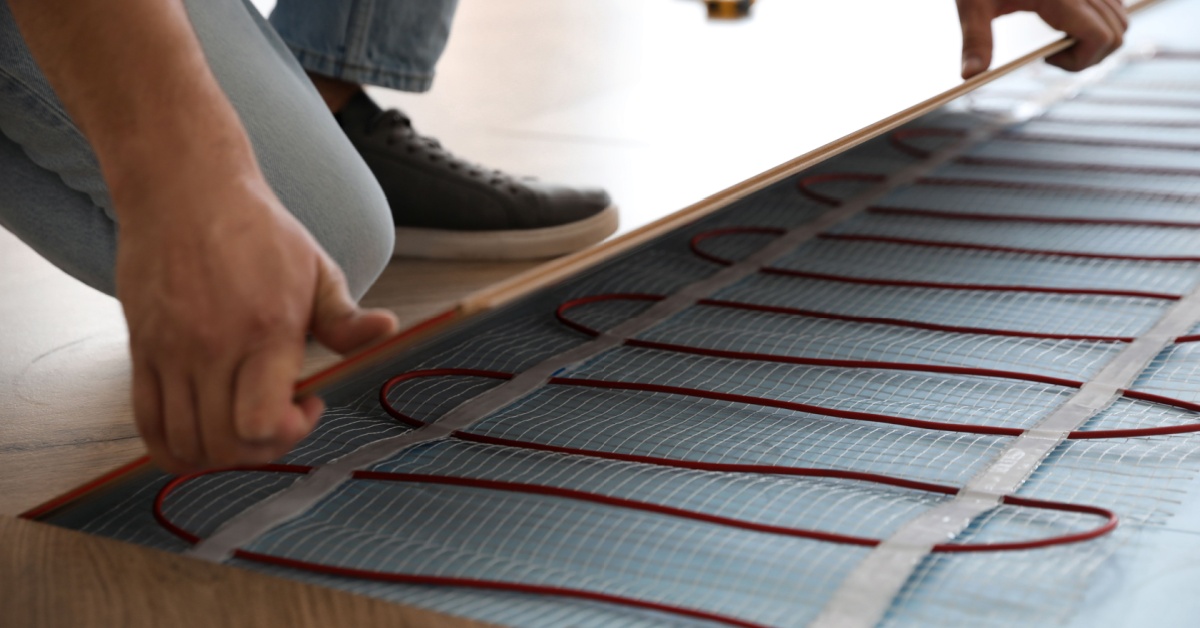
- Electric UFH is cheaper and easier to fit, great for small rooms.
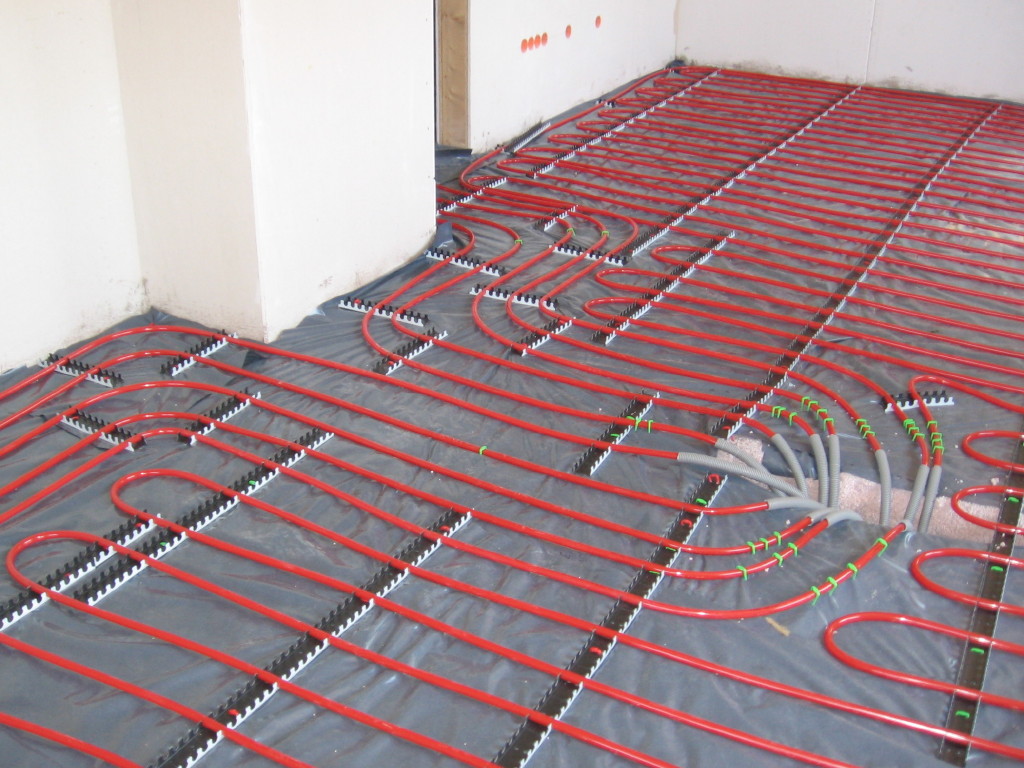
- Wet UFH costs more to install but is cheaper to run and better for larger areas.
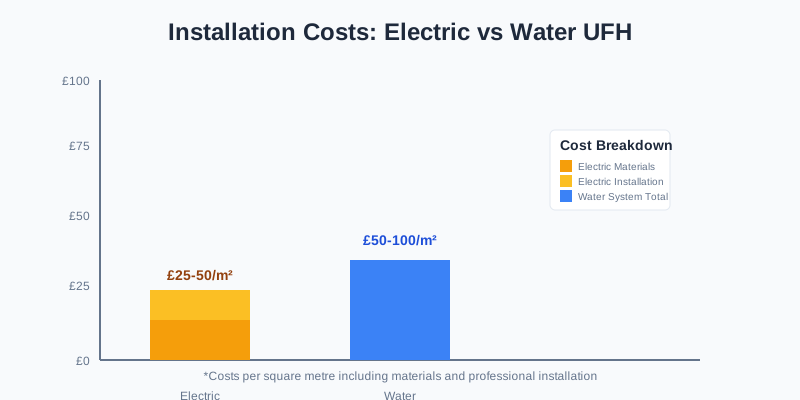
Typical installed costs (UK)
- Electric UFH: £40-£90/m2
- Wet UFH: £90-£190/m2
For a detailed breakdown, see the full guide: Underfloor Heating Costs.
New build vs retrofit: the biggest cost difference
New builds
- Easiest time to install UFH
- No floors to lift
- Insulation can be designed in from day one
- Cheaper labour
Retrofits
- Floor height becomes an issue
- Low-profile systems are often required
- Labour costs go up fast
If you're already replacing flooring, retrofit UFH can be a good option. If you're not touching the floors, it's usually not worth the disruption.
Is UFH worth it in specific rooms?
Bathrooms
Yes, almost always. Small area, big comfort impact. Electric mats are common and quick to install.
Kitchens
Usually yes, especially with hard floors. Kitchens are high-traffic and benefit from even warmth. See: Kitchen UFH costs and systems.
Living rooms / open plan
Often yes, particularly in renovations or extensions. Larger areas suit wet systems.
Bedrooms
Worth it if you choose the right flooring and keep carpet tog low. Works well with zoning.
Does UFH save money to run?
It depends on the system and insulation:
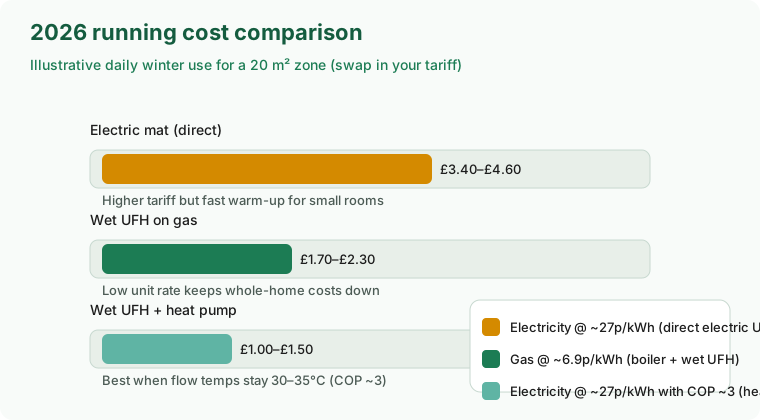
- Wet UFH can be cheaper to run than radiators because it uses lower flow temperatures.
- Electric UFH is usually more expensive to run, so it's best for small areas or occasional use.
Typical UK energy rates used across the site:
- Electricity: ~27p/kWh
- Gas: ~6.9p/kWh
For real examples and updated tariffs, see: UFH Running Costs 2026.
UFH vs radiators: which is better long-term?
UFH wins on
- Comfort (even heat)
- Space (no radiators)
- Efficiency (especially with heat pumps)
Radiators win on
- Upfront cost
- Speed of heat-up
- Ease of retrofit
If you're planning a long-term renovation, UFH often wins. If you just need quick heat, radiators are the simple option.
What about insulation?
UFH doesn't fix a cold, poorly insulated home. It only spreads heat more evenly. If heat is leaking out through walls, floors, or glazing, you'll still be cold - and your bills will climb.
If your home is draughty, prioritise insulation first. UFH becomes far more effective once heat loss is under control.
The hidden costs people miss
When comparing quotes, make sure these are included:
- Floor insulation boards
- Floor levelling or screed
- Thermostats and zoning
- Door trimming (if floor height rises)
Missing these is how "cheap" quotes become expensive.
Realistic examples (UK)
Example 1: 12 m2 bathroom (electric)
- System + install: £500-£900
- Running cost (short bursts): low, but still higher than gas
- Worth it for comfort
Example 2: 25 m2 open-plan kitchen (wet)
- System + install: £2,250-£4,750
- Lower running cost than radiators over time
- Worth it if renovating the floor anyway
Example 3: Whole ground floor (70 m2, wet)
- System + install: £6,300-£13,300
- Best for long-term homes with good insulation
For quicker estimates, use the UFH Cost Calculator.
Planning tips that make UFH worth it
- Insulate properly - it's the make-or-break factor.
- Choose the right system - electric for small areas, wet for larger.
- Plan your floor build-up - avoid surprises with doors and thresholds.
- Zone rooms properly - don't heat spaces you don't use.
- Use the right flooring - avoid thick rugs and high-tog carpet.
See flooring guidance here: Best Flooring for Underfloor Heating.

Common myths (and the truth)
Myth: UFH heats the room instantly
- Truth: wet UFH is slow. It's designed for steady warmth, not quick blasts.
Myth: UFH only works with tile
- Truth: it works under most floors if the materials are compatible.
Myth: UFH is always cheaper to run
- Truth: wet UFH can be. Electric usually isn't unless used sparingly.
Is UFH worth it if you're selling soon?
If you're selling in the near future, the payback is less clear. UFH can make a home feel more premium, but the cost might not be recovered fully.
If you're staying long-term, comfort and running efficiency matter more - and that's where UFH shines.
Final verdict
If you want comfort, clear walls, and steady warmth - and you're already working on the floors - UFH is usually worth it. If you want the cheapest, fastest fix, stick with radiators.
Either way, the decision should be based on your room size, insulation level, and how you use the space.
A realistic cost vs comfort breakdown
If you want to judge UFH fairly, compare like with like. Radiators are cheaper to install, but UFH can give lower running costs and better comfort when the home is insulated and the system is zoned properly.
Example: 30 m2 open-plan kitchen-diner (wet UFH)
- Installed cost: £2,700-£5,700 (using £90-£190/m2)
- Typical flow temperature: 35-40°C
- Efficiency advantage: lower flow temps can reduce boiler cycling and improve heat pump efficiency
Example: 30 m2 open-plan kitchen-diner (radiators)
- Installed cost: £1,200-£2,000 (radiators + pipework)
- Typical flow temperature: 65-75°C
- Faster heat-up, but less even heat and more wall space used
If you're staying in the home long-term, UFH can win on comfort and aesthetics even if the payback isn't dramatic. If you're moving in a couple of years, radiators are usually the rational choice.
Heat-up time: what to expect
This is where expectations go wrong.
- Electric UFH can feel warm in 30-60 minutes depending on floor type.
- Wet UFH is slower, often 1-3 hours to noticeably raise room temperature.
UFH is about steady background heat, not rapid temperature swings. If you want instant heat in a cold morning, radiators (or a hybrid system) are still useful.
Flooring compatibility: what works best
Best performers
- Tile and porcelain (great heat transfer)
- Stone (excellent thermal mass)
Good options
Not sure this is the right page?
Get a reading list built for your project
Three quick questions and we will point you to the guides that match what you are actually trying to do.
Find your starting pointThree questions. About 30 seconds. No sign-up.
- LVT / vinyl (check manufacturer rating)
- Engineered wood (stable, but keep surface temp below 27°C)
Possible but limited
- Carpet (combined tog should be low; check underlay)
If you're unsure, check the flooring guide: Best Flooring for UFH.

Zoning and thermostats: the hidden performance boost
UFH only makes sense if you can control it properly. Zoning lets you heat the rooms you actually use, and keep bedrooms or spare rooms cooler.
- One thermostat per room is ideal
- Use floor sensors in tiled areas to protect flooring
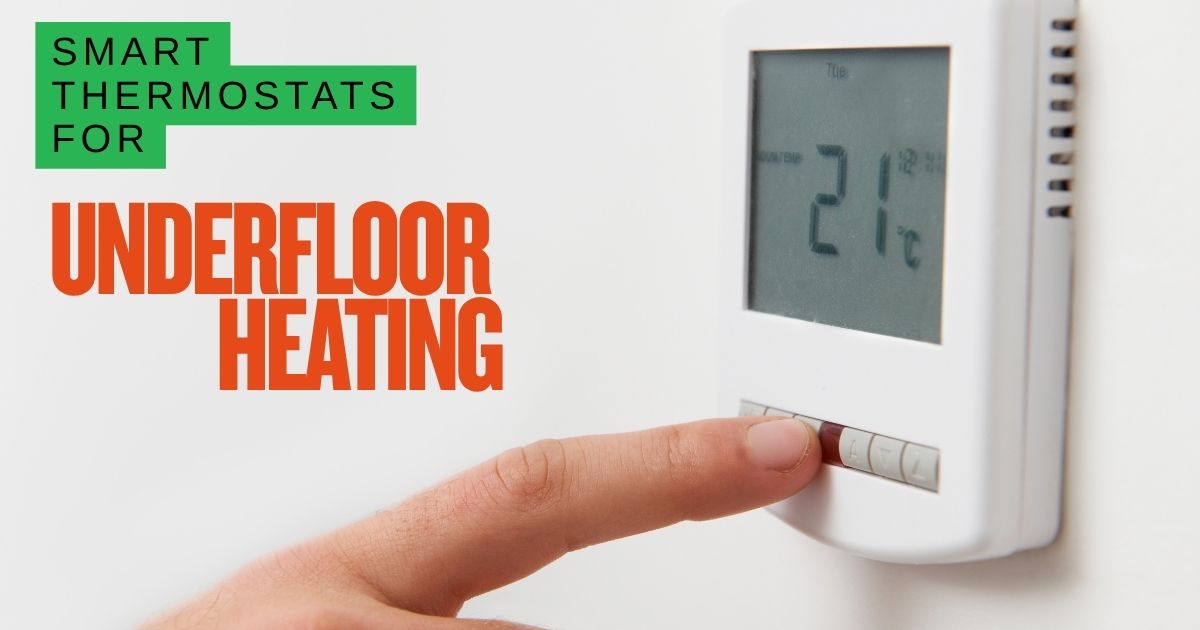
- Smart thermostats can automate schedules without overheating
If you want to go deeper on controls: Smart Thermostats for UFH.
Wet UFH maintenance and lifespan
A wet UFH system isn't high-maintenance, but it isn't zero-maintenance either. In most cases, the pipework is designed to last decades. The parts that need attention are usually:
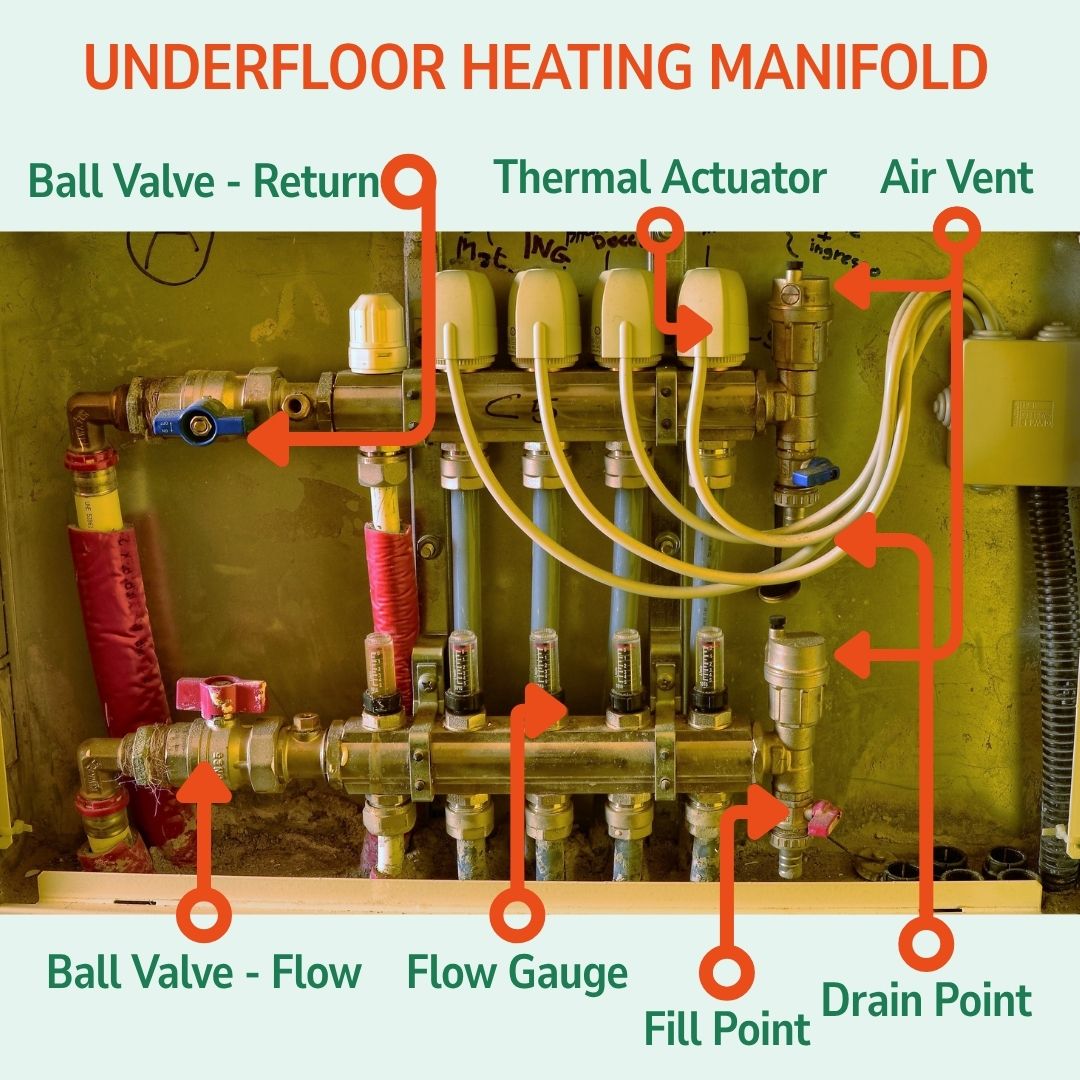
- Manifolds and pumps
- Actuators
- Thermostats
If you keep the system clean, balanced, and correctly commissioned, wet UFH can last 50+ years. Electric systems are simpler but have a shorter typical lifespan (around 20-25 years).

Hybrid systems: when UFH and radiators work together
You don't have to go all-in. A hybrid approach is common in the UK: UFH downstairs, radiators upstairs. That gives you warm floors where you live, while keeping fast heat-up in bedrooms.
Hybrid setups make sense if:
- You're renovating the ground floor only
- You want to keep disruption minimal upstairs
- You have a limited budget but want the main comfort benefits

Quick checklist before you decide
- Is the floor being lifted anyway?
- Is the home reasonably insulated?
- Do you want steady heat or rapid warm-up?
- Is the room large enough to justify wet UFH?
- Will you stay in the home long enough to enjoy the upgrade?
If you can tick most of those, UFH is usually worth it.
What installation actually involves (quick overview)
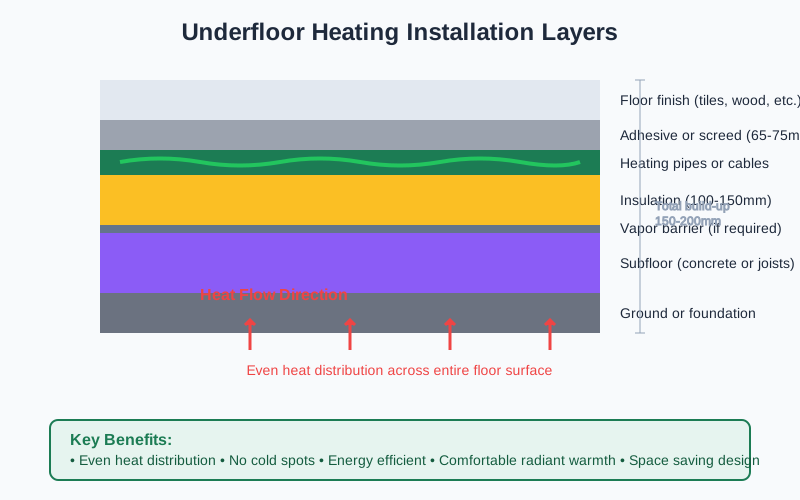
Most people underestimate how much prep matters. A good UFH install isn't just the mats or pipes - it's the whole floor build-up. The basic flow is:
- Subfloor prep - clean, level, and stable.
- Insulation layer - stops heat disappearing into the slab.
- UFH layer - mats for electric, pipes for wet systems.
- Sensor and thermostat - especially important under tile.
- Screed or adhesive - locks the system in place.
- Commissioning - gentle warm-up to avoid cracks.
Skipping insulation or rushing commissioning is where most failures happen. If you want a step-by-step guide, see the UFH Installation Guide.
Running cost example (electric vs wet)
Electric example: 10 m2 bathroom mat at 150W/m2 used 3 hours/day
- Power draw: 1.5 kW
- Daily use: 4.5 kWh
- Cost at 27p/kWh: ~£1.22/day
Wet example: 30 m2 living room on gas, steady background heat
- Heat demand varies, but lower flow temps can reduce boiler cycling
- Gas at 6.9p/kWh makes long-run costs cheaper than electric
This is why electric UFH is great for small rooms but expensive as a whole-house solution.
One more thing: UFH isn't a magic fix
UFH makes a comfortable home feel even better, but it can't rescue a cold, draughty property on its own. If you're losing heat through thin walls, single glazing, or no floor insulation, you'll still feel cold - just more evenly cold. Fix the heat loss first and UFH starts to shine.

Frequently Asked Questions
Is underfloor heating cheaper to run than radiators?
Wet UFH can be cheaper to run in well-insulated homes because it operates at lower flow temperatures. Electric UFH usually costs more to run.
Does underfloor heating work with heat pumps?
Yes. UFH is one of the best matches for heat pumps. Learn more in the Heat Pumps + UFH Guide.
Can I install underfloor heating myself?
Electric mats can be laid DIY, but final electrical connections must be done by a qualified electrician. Wet systems usually require a professional installer.
Will underfloor heating work under carpet or laminate?
Yes, but the combined tog value must be low enough. Use UFH-rated underlay and follow temperature limits.
How long does underfloor heating last?
Electric systems often last 20-25 years. Wet pipework can last 50+ years when installed properly.
Do I need planning permission for UFH?
Not usually for UFH alone. Building regulations still apply, especially Part P for electrical work.
If you want a cost-focused version with a detailed ROI table, I can add one.
Ready to decide? Compare installers and get quotes via the Underfloor Heating Directory. Already have a quote? Check if it's competitive →
One useful email,
once a month.
New guides as they go live. Real cost data, not press releases. The occasional rumour from the industry that's actually worth knowing.
No sales pitches. No jargon. Unsubscribe in one click.