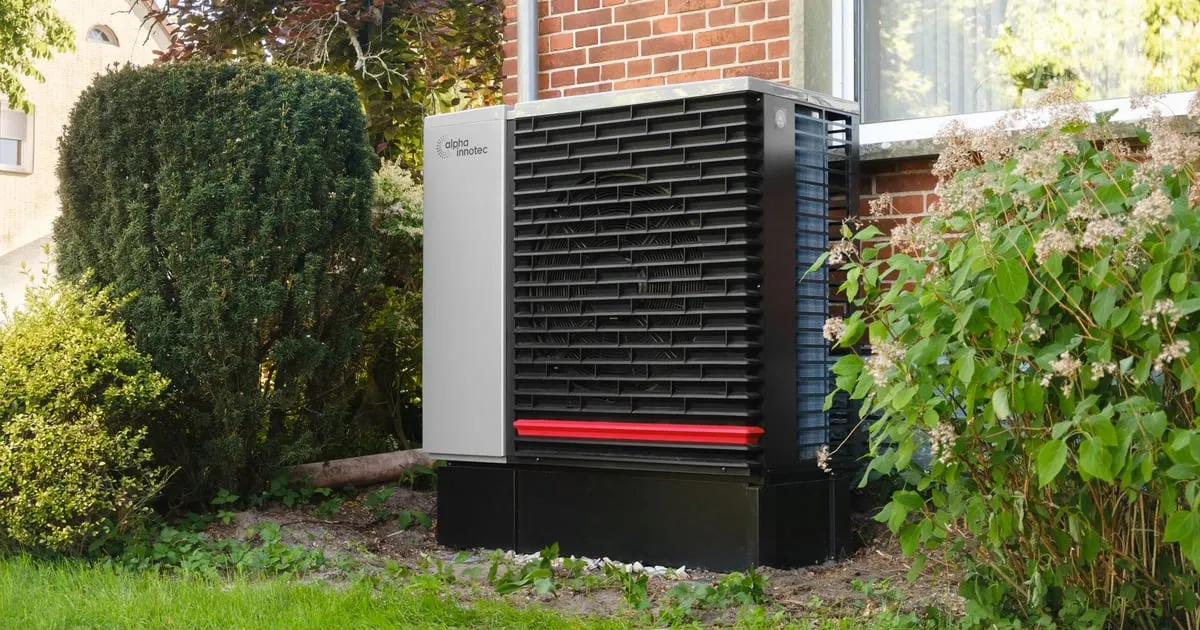
Quick answer: DESNZ published figures on 27 August 2026 showing a record 8,150 Boiler Upgrade Scheme applications in July, up 81% on June. The scheme covers England and Wales, and the surge is concentrated among off-gas-grid homes on heating oil or LPG chasing the temporary £9,000 grant. Two caveats: an application is not an installation, and the grant pays for the heat pump, not the floor.
What the figures say
The Department for Energy Security and Net Zero published the July Boiler Upgrade Scheme statistics on 27 August 2026. The headline is a record 8,150 applications in a single month, an 81% jump on June and a 112% increase on the same month a year earlier.
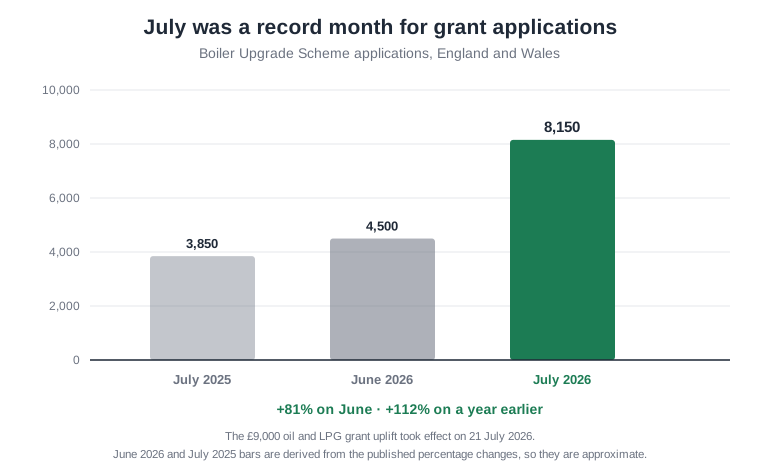
The department is fairly clear about the cause. On 21 July the grant for households replacing oil or LPG heating rose from £7,500 to £9,000, and that uplift runs only until 31 March 2027. In June, DESNZ posted leaflets to around 200,000 eligible homes explaining how to claim it. A spike in the weeks immediately after a 20% grant increase and a targeted mailshot is close to what you would expect.
Two other numbers from the release are worth keeping: since the scheme launched, 49% of grants have gone to rural properties and 38% to homes off the gas grid. Those are cumulative shares rather than a July snapshot, so they show a long-standing rural skew rather than proving this particular month widened it. Given where the uplift is targeted, a further tilt would be unsurprising, but the release does not break the month out.
Martin McCluskey, Minister for Local Energy and Jobs, framed it as price protection rather than climate policy: installing a heat pump is, in his words, the best way for oil households to get certainty over their bills.
The grant only pays out if the heat pump is installed by an MCS-certified company, so anyone acting on these numbers needs a certified installer. You can search the MCS-approved installers directory to find firms covering your area and check what the certification covers.
Why an application is not an installation
This is the part most coverage glosses over. The Boiler Upgrade Scheme works on vouchers. An MCS-certified installer applies on the homeowner's behalf, the voucher is issued, and it must be redeemed within a set window once the work is done. Applications tell you about intent and about how many quotes are converting; they do not tell you how many heat pumps went into the ground in July.
Some vouchers lapse. Some homes fail survey. Some households get a full design back, see the total cost, and stop. So treat 8,150 as a strong demand signal, not as an installation count. The redemption figures over the next two quarters are the number that actually matters.
That matters particularly for anyone reading this as a verdict on heat pumps generally. It is a verdict on a £1,500 grant uplift landing in a market of oil-heated homes facing volatile fuel prices. That is a narrower story, and a fairly ordinary one.
What it changes for underfloor heating
The link between the two is emitter design. A heat pump only reaches its rated efficiency when it can run at a low flow temperature, and underfloor heating is well suited to delivering it. Roughly 35–45°C through a well-designed floor circuit will do what 65–70°C through radiators does, and the lower the flow temperature, the better the seasonal performance factor.

So a wave of oil-to-heat-pump conversions is, indirectly, a wave of emitter decisions. Many of those homes are older rural properties with solid or suspended timber ground floors, exactly the retrofit conditions covered in our guide to retrofitting underfloor heating.
Two practical points if you are in that group:
The grant does not cover the floor. The £7,500 or £9,000 pays towards the heat pump installation. Pipework, insulation, screed and floor build-up are your cost. Budget for them separately using our wet underfloor heating guide, and get them into the quote at the design stage rather than discovering them halfway through.
You do not have to do the whole house. A common and sensible compromise is underfloor heating downstairs, low-temperature radiators upstairs, sized for the same flow temperature. That gets most of the efficiency benefit without lifting every floor in the building.
The Warm Homes loans are due this month
The other half of the picture is finance. Under the Warm Homes Plan, DESNZ has been onboarding banks and building societies to the Warm Homes Loan Scheme, with the first consumer lending phase expected from September 2026.
The mechanism is straightforward: government pays participating lenders a capital grant of up to 20% of the loan value. That subsidy sits with the lender and must be passed through in full as a lower interest rate. The borrower still repays the whole amount they borrow; it is the rate that falls, not the principal. Eligible loans run for three years or more. Crucially for anyone converting, a household applying for a Boiler Upgrade Scheme grant in England or Wales can use a Warm Homes loan for eligible costs above the grant. Some underfloor heating work should qualify as part of the heating installation, but the scheme rules exclude certain measures, insulation among them, and apply caps per measure. Get the itemised works confirmed as eligible before you assume the floor is covered.
A caution on the numbers circulating. Rate ranges of "0% to 3%" are widely quoted, and the scheme rules do publish caps of their own, but those are scheme limits rather than the terms any bank has actually offered. Participating lenders and their advertised products had not been confirmed at the time of writing. The scheme design is published; the retail offers are not yet. Wait for a named lender and a real APR before building a budget around it.
What we would do this week
Nothing urgent. If you are on oil or LPG and were already considering a switch, the £9,000 uplift has a deadline of 31 March 2027, and grant deadlines tend to create installer bottlenecks in the final months, so bringing the survey forward is reasonable. If you are on mains gas, the £9,000 uplift does not apply to you. The standard £7,500 grant still does, and the Warm Homes loans should once products actually launch, subject to scheme eligibility and a lender's own affordability and credit checks.
Either way, the sequence is the same: heat loss calculation first, emitter design second, quote third. A heat pump sized against a floor circuit that was never properly designed will underperform, and no grant compensates for that. When you get to the point of choosing a fitter, the heat pump itself must be installed by an MCS-certified company for the grant to be valid. You can search the MCS-approved installers directory to find certified firms covering your area, and check what the certification actually covers in our guide to underfloor heating installer qualifications.
Sources: Record number of heating oil households apply for a heat pump, GOV.UK, 27 August 2026 · Boiler Upgrade Scheme statistics, GOV.UK · Warm Homes Loan Scheme: apply to participate as a lender (Phase 1), GOV.UK · Warm Homes Loan Scheme: Scheme Rules (PDF), DESNZ · Record number of homes apply for Boiler Upgrade Scheme, The Eco Experts, 3 September 2026